A Last-Minute Logo Fight Saved Muse's Temporary Mascot
Jolly, named for designer Alex Cornell's daughter's nickname, stayed because talking to a logo felt impersonal.
 Lenny's Podcast: Product | Career | Growth · Meta’s Muse: How we launched the most successful consumer product this year | Mona Sarantakos
The team building Muse once thought Jolly was dead. In place of the small creature at the top of the screen was another design that resembled a logo.
For Mona Sarantakos, the product lead behind Muse, Meta's personal AI assistant, the swap felt jarring. She and her teammates talked to the agent often, and a company mark staring back broke the spell.
So the team fought to bring the creature back. Its survival settled more than a design debate, affirming that Muse was meant to belong to the user, not to Meta.
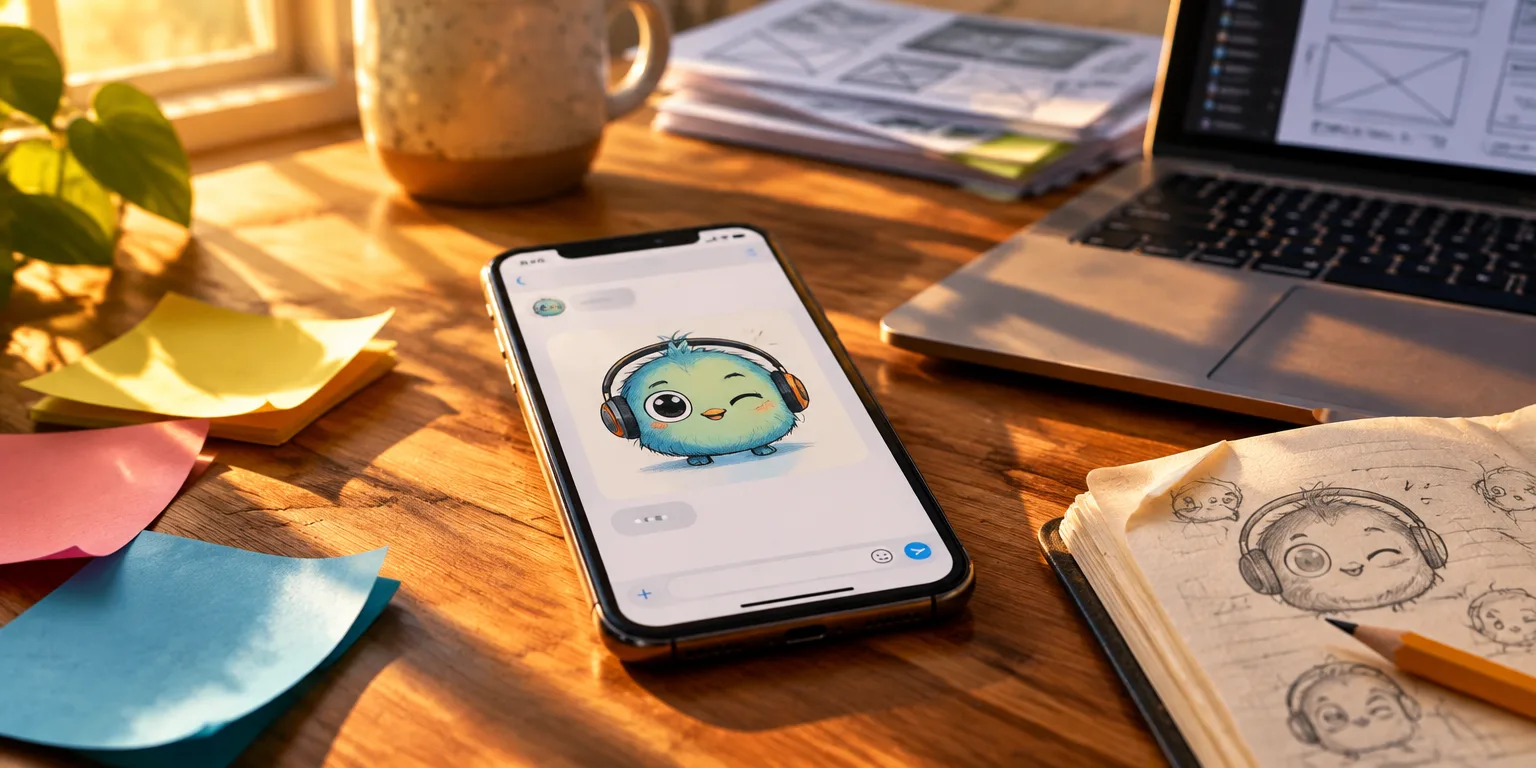
Jolly had never been supposed to survive at all. Lead designer Alex Cornell, the creator of Muse's first prototype, had dropped in a creature made from a one-shot prompt as a placeholder. Asleep when the app opened, it would wake up a moment later.
He called it Jolly Bot, after Jolly Bug, the nickname he used for his daughter. Sarantakos joked that it was like their cockroach because it never died, even as newcomers arrived every few months to declare there was no way the company would launch with a stuffed animal on top.
The longer it stayed, the more the team built around it. Bored of being stared at while it worked, designers gave it headphones and put it to work on a laptop, adding movement and animation. Then they let people make their own avatars, building a whole system around the placeholder that became harder and harder to remove.
Still, the logo nearly won. Sarantakos said there was a moment when the team thought Jolly was truly dead, until Mark Zuckerberg said he really loved the avatar and members of the small working team said they would keep it over their dead bodies. Employees already loved Jolly, too.
In the end, about a week before launch, the group chose Jolly. Sarantakos said she did not realize how iconic it would become, and the decision had started as a choice the team made because it loved the character.
For her, the lesson stuck. Because the agent was built to work for its owner, Meta had to recede, and stating that principle early made a corporate logo unthinkable. The placeholder named for Cornell's daughter's nickname stayed.
Questions people ask
What exactly is Muse?
Muse is Meta's consumer AI assistant, designed to handle everyday tasks and remember context across conversations. It grew out of experiments with personal agents that could connect to email, calendars, and other services.
Can users replace Jolly with their own avatar?
Yes. After Jolly stuck around, the team built a system that lets people choose or make their own avatars. The idea was that if the agent belongs to you, it should look like yours.
Why did the team think a logo would hurt the product?
The team argued that people confide practical and sensitive details to a personal agent. A corporate mark would remind them they are talking to a big company, while a small character preserves the feeling of a helper that works for them.