Not Every Water Filter Removes PFAS
PFAS are long-lasting chemicals that can get into tap water, and shoppers should look for an independent contaminant-removal standard, NSF/ANSI 53, plus an explicit PFAS claim.
 krgv.com · Consumer Reports: Should you ask AI about your health
A carbon or reverse-osmosis filter is not automatically safe against PFAS, the long-lasting chemicals that can get into tap water. Only some models in those broad families are rated to remove them.
Consumer Reports, the nonprofit product testing group, says to look for systems that carry NSF/ANSI 53, an independent standard for filters that remove contaminants.
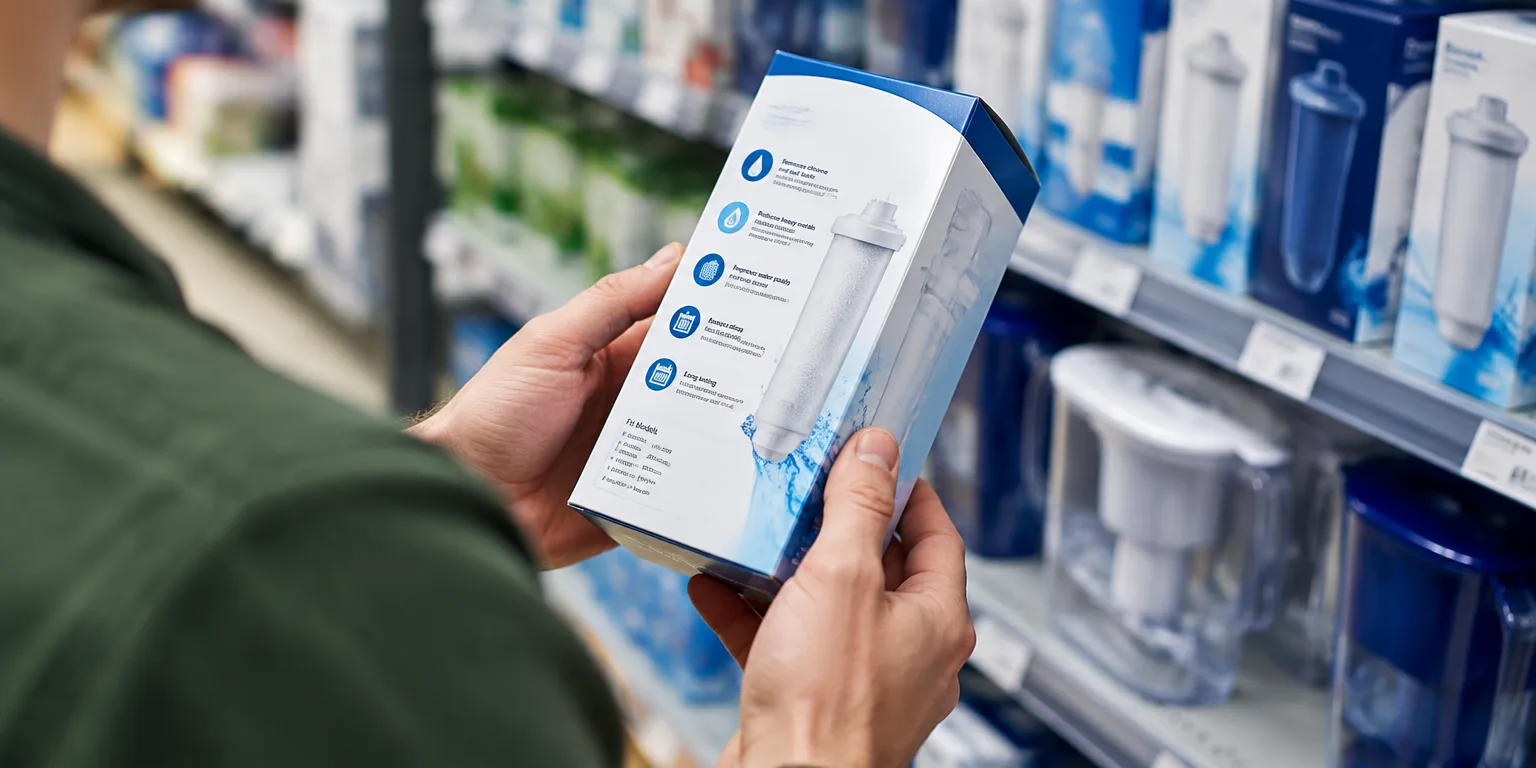
It also says to confirm the maker states outright that the model removes PFAS. The filter type alone is not enough.
The group found the gap while testing general-purpose chatbots on health and safety questions. Microsoft Copilot pointed to the two broad filter types for PFAS, but Consumer Reports found that answer incomplete because it missed the certification and the specific maker claim.
Questions people ask
Where do I check a filter's certification before I buy it?
Start with the box, the manual, and the product page, where makers usually list certifications and contaminant claims. You can also search the model in the National Sanitation Foundation database to confirm the certification is current.
Do PFAS filters need ongoing maintenance?
Yes. Filter cartridges fill up over time, so they must be changed on the maker's schedule, often after a set number of gallons or months. If you wait too long, the filter may no longer remove the contaminants listed on the label.