A Claimed Seven-Day Walkthrough Hints At Faster Game Building
Investor Jason Calacanis predicts publishers could sell a base game and extend it with packs, subscriptions, and seasons.
 This Week in Startups · Jason: Jensen Huang will be back at Nvidia within 12 months | E2363
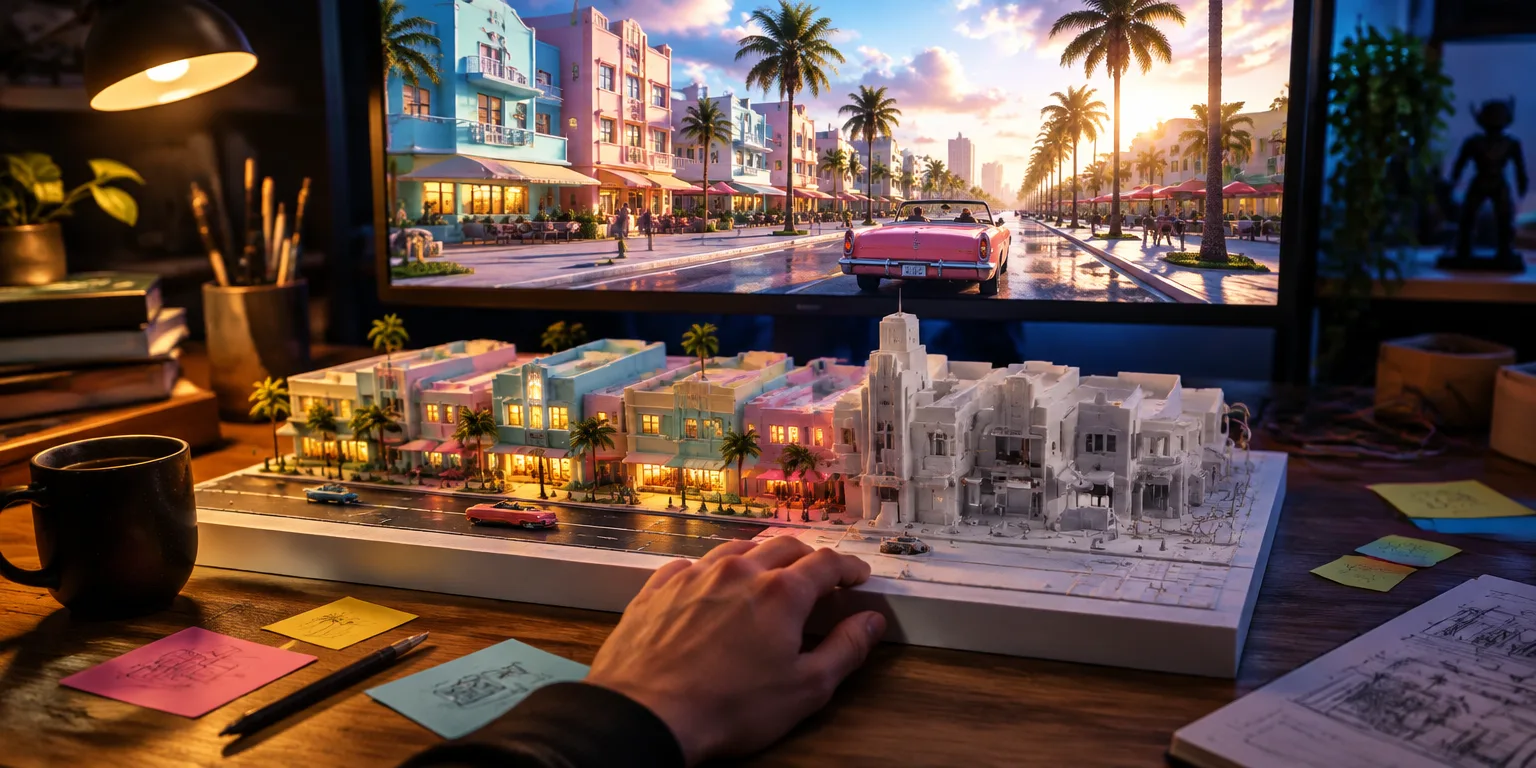
A social media post by Matt Schumer, whose background was not detailed and whose claim is unverified, contrasted eight years of work on Grand Theft Auto with a lifelike Manhattan walkthrough he said was made with a tool called Fable 5.2 in seven days.
Grand Theft Auto games are built around huge virtual cities where players drive, explore, and commit crimes. Earlier entries evoked New York and Los Angeles, and the newest centers on Vice City, a stand-in for Miami.
These cities take years to build because they are huge and detailed. Streets, buildings, characters, and missions must all work together.
The seven-day example was a walkthrough of one city, not a finished game. The discussion gave no details on how it was made.
The question raised is whether five and 10 year development cycles will continue, or whether AI could allow games that invent themselves as a person plays.
One possibility, described by investor Jason Calacanis, is that major publishers adopt the technology by selling a base game along the lines of Grand Theft Auto 5, then extending it with packs, subscriptions, and seasons.
Indie games are getting more polished as tools improve, but are unlikely to look like games from the biggest studios. Small game makers are in the same position as indie film, indie bands, and indie clothing brands, which Calacanis called punk rock.
Questions people ask
What is a virtual city in a game like Grand Theft Auto?
It is a large virtual place that imitates a real city, with streets, buildings, traffic, and pedestrians. Players can drive through it, walk through it, take missions, and cause trouble. Making it feel alive is why the city itself is so much work.
What does triple-A mean in games?
It means a big budget game from a major studio, with a large team and heavy spending on art, sound, and marketing. These games usually aim for realistic graphics and long playing time. Indie games are made by much smaller teams with far less money.
What do packs, subscriptions, and seasons mean for players?
They are ways to keep one game going after its first sale. Packs add new missions, places, or items, subscriptions charge regularly for access or perks, and seasons introduce timed challenges and rewards. For publishers, they turn a single release into ongoing revenue.