Pub Chains Let AI Match the Music to the Noise in the Room
When the room is quiet, the playlist stays chill. When drinkers get loud, so does the music.
 straitstimes.com · Why does culture feel so monotonous? A walking tour reveals the math | The Straits Times
In some British pub chains, the background music is chosen by artificial intelligence that listens to the room.
When the pub is quiet and not very full, the system plays chilled background music, said Lauren Leek, a data scientist and assistant professor at Leiden University. When the crowd and noise build, the music gets louder to match.
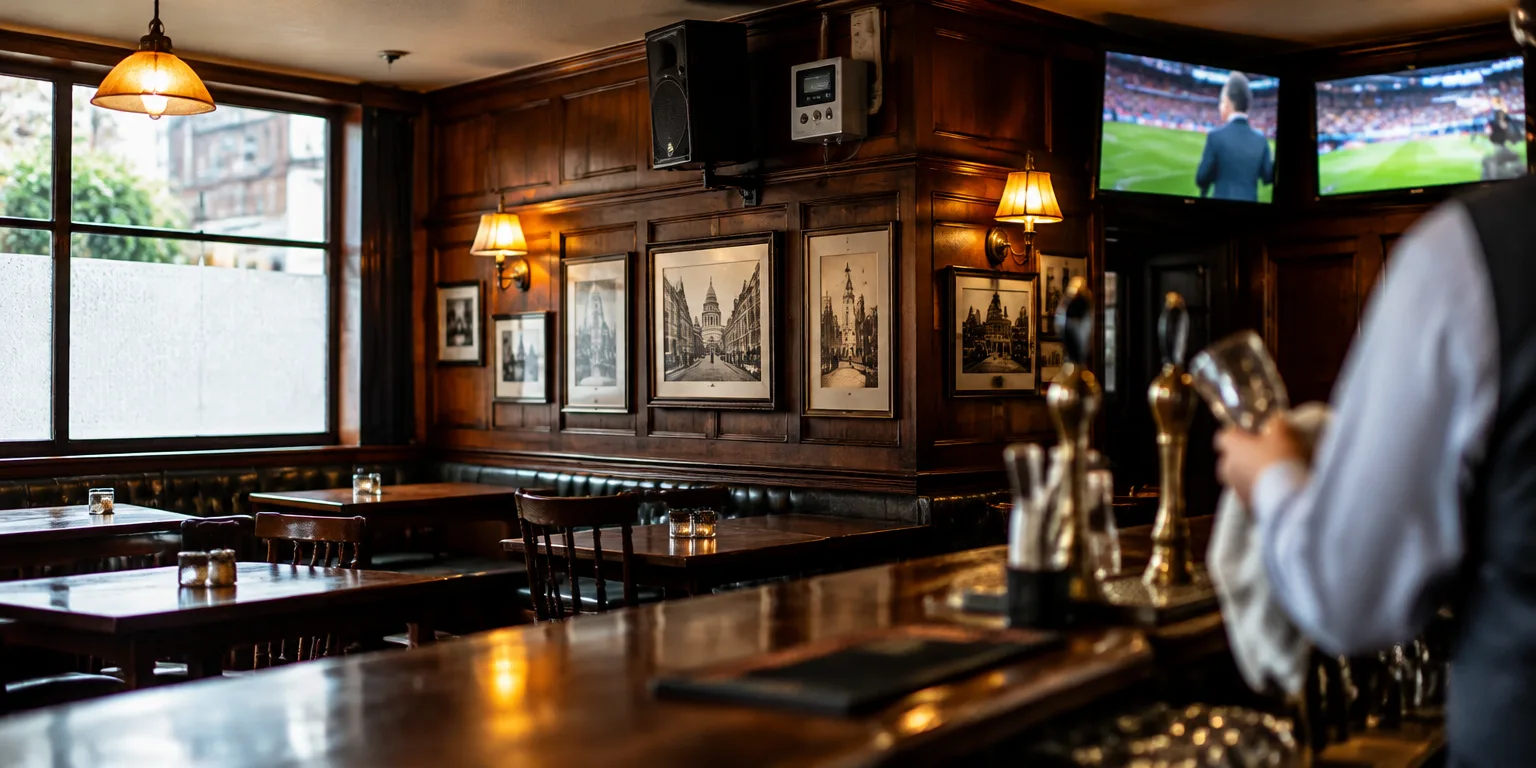
She noticed it during a just-after-noon visit to a traditional-looking London pub, with wooden furniture, old-fashioned wall decor, and TVs tuned to pregame coverage ahead of a Premier League soccer game.
The result is mood music that follows the drinkers, not the other way around.
Questions people ask
Is the AI actually listening to what people say?
These systems are generally designed to measure sound level, not to transcribe conversation. They use overall loudness as a signal for how busy or energetic the room is, then pick a matching playlist or volume. A pub would have little business reason to store chatter, and doing so would raise privacy problems.
Why would a pub want louder music when it gets louder?
Bars often raise tempo and volume as crowds grow to sustain energy and turnover. Louder, faster music can encourage drinking and mask competing noise, while soft background music suits a sparse daytime room. The AI simply automates what a manager or bartender might otherwise do by ear.
Is this common beyond pubs?
Yes, adaptive background music is used in stores, restaurants, gyms, and hotels. Providers offer software that adjusts playlists by time of day, foot traffic, or noise. Pub chains are notable because the same automated choice can play across hundreds or thousands of sites at once.