Quiver Buys Stuart Courier Network to Pair Retail Software With Deliveries
Seller Mutares estimates the courier network brings in about 50 million euros in revenue.
 eu-startups.com · A wave of acquisitions: European startups go shopping for AI, travel communities and last-mile delivery | EU-Startups
Quiver, a London startup that makes delivery software for retailers, has bought SRT Group, which owns courier network Stuart, from Munich investor Mutares. The companies did not disclose a price.
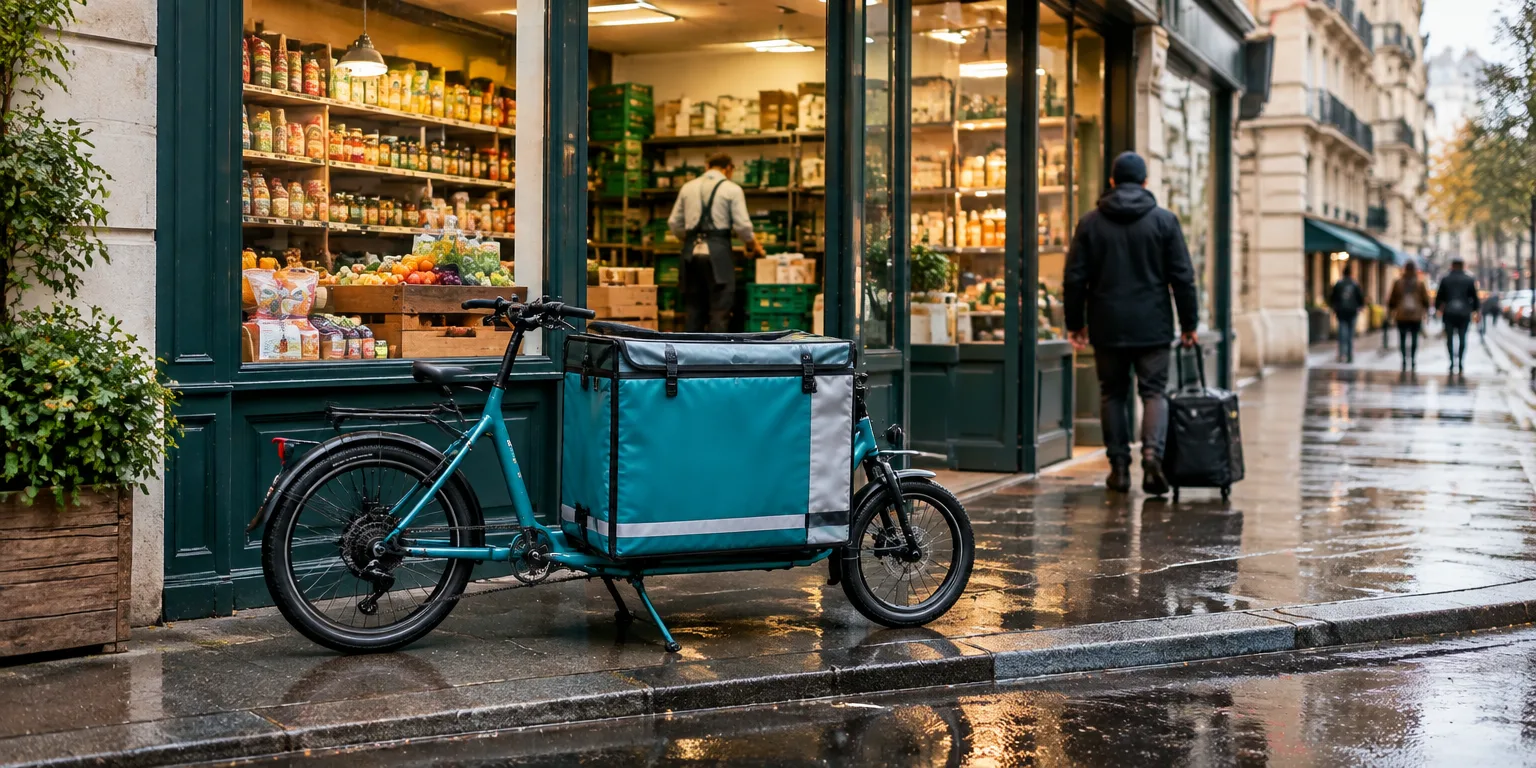
The deal pairs Quiver's software for retailers with Stuart's couriers on the ground across the United Kingdom, France, and Poland. Quiver's technology is designed to let shops and restaurants offer fast delivery, plus returns and exchanges handled directly from stores and city warehouses.
Founders Matthew Barrie and Louis Collar-Smith launched Quiver, which started operations in the British capital in 2022. It builds technology that lets retailers promise rapid delivery from nearby stock, rather than shipping from a distant warehouse.
Dating to a 2015 launch in Paris, Stuart brings the delivery network and customer relationships. It operates across the three countries serving food, grocery, and retail businesses, and seller Mutares estimates its revenue at about 50 million euros.
Quiver co-founder Matthew Barrie said: "With its geographical reach and heritage in the grocery, food and quick service restaurant sectors, Stuart is the perfect fit."
For now, each business will keep its own brand while they join forces on tech and sales. The deal also sets aside new money to upgrade Stuart's systems and support growth.
Questions people ask
What is last-mile delivery?
It is the final leg of a delivery, from a nearby store or small warehouse to the customer's door. It is often the most expensive and time sensitive part, because it involves many stops, traffic, and tight promises about arrival time.
What is an urban fulfilment centre?
It is a small warehouse in or near a city, used to store goods close to shoppers and pack orders for quick dispatch. Retailers use them to shorten delivery times and handle returns without sending everything back to a large regional warehouse.
Why keep both brand names after an acquisition?
Keeping familiar names can preserve trust with customers and restaurant and retail partners. It also gives the buyer time to combine technology, staffing, and sales behind the scenes before deciding whether a single brand makes sense.