Shirt Sellers Dodge Forecasts by Stocking Blanks, Not Designs
Creators supply the art, shoppers pick a winner, and the platform prints that shirt to order.
 hdl.handle.net · Introducing Make-to-stock to Make-to-order Platforms
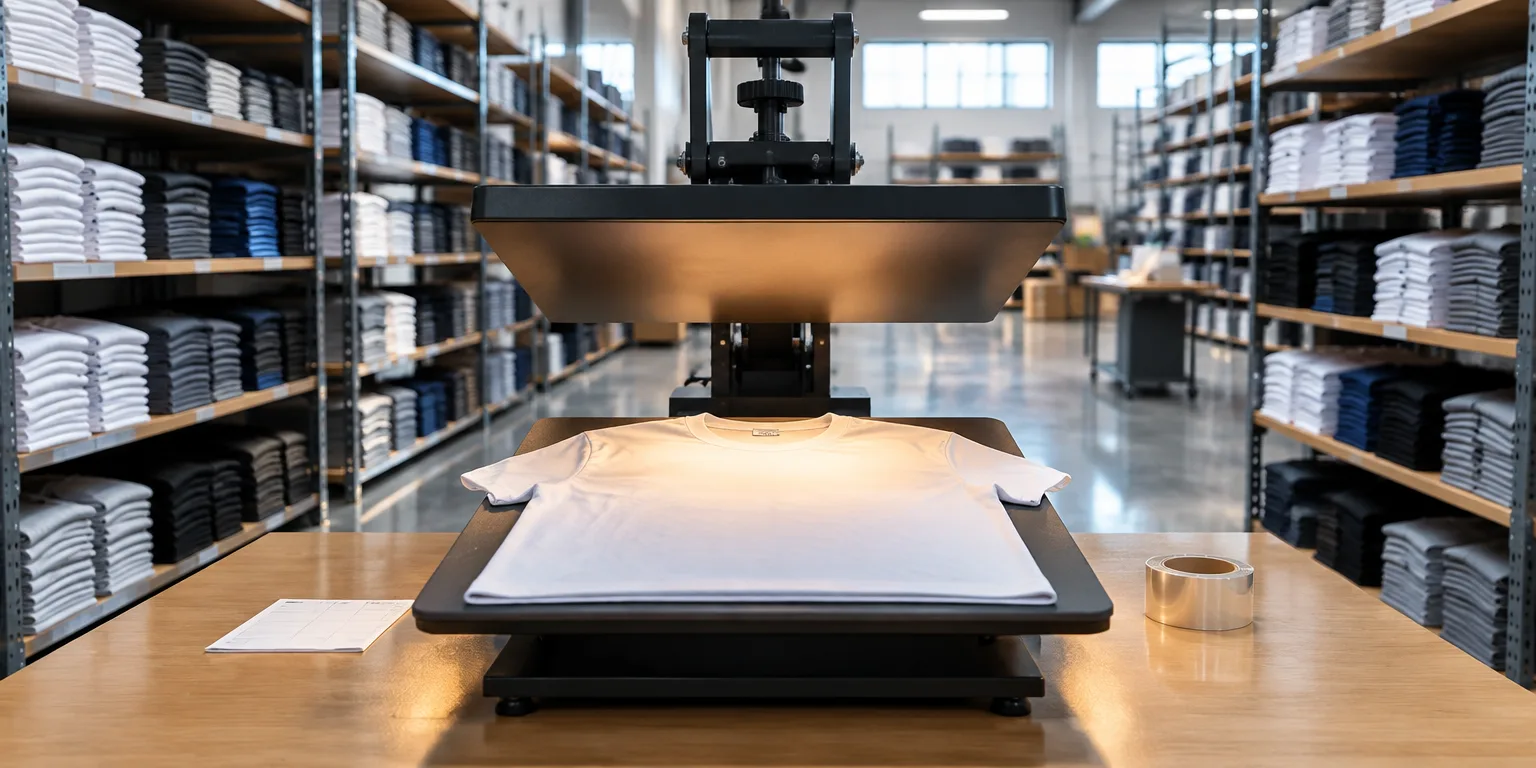
As the 2021 study of Merch by Amazon describes it, a print-on-demand business can offer many designs without forecasting each one separately, by stocking blank shirts instead of finished shirts.
The setup involved three parties. Creators registered, uploaded artwork, set the price, and chose the shirt types, colors, and sizes. The platform checked designs against its content rules and listed them, while holding blanks in its warehouses.
The platform bought the blanks, paid for printing and shipping, and shared revenue with the creator under a published formula. Customers browsed the listings, checked prices, and chose which design to buy, if any.
Only then was the shirt made. When an order arrived, the platform collected payment, printed that design on a blank, and shipped the finished shirt to the customer.
That order of operations removes the need to forecast demand for each finished design. With many designs and uncertain orders, producing finished shirts in advance could leave both leftovers of slow sellers and shortages of popular ones.
As long as blanks are on hand, the platform can turn a blank into a finished shirt right away. The study notes that filling orders quickly is a crucial competitive factor, which the blank stock makes possible.
The tradeoff is cost. Printing shirts singly as orders arrive costs more per shirt than making finished shirts in bulk ahead of time. That fits designs that may have short lifespans, where long supply lines may leave only one chance to order inventory.
Questions people ask
Why not preprint the most popular designs in bulk?
It can, but only where demand is high and steady enough to justify setup and inventory costs. Advance printing is cheaper per shirt, but with many designs and uncertain orders, the study describes waiting to print as the rational choice.
Who pays for the blank shirt and the printing?
The platform buys the blanks and pays for printing and shipping, then divides the revenue with the creator under a published formula. The creator invests time to make the art and sets the price, but does not pay the production bill.
Does waiting to print mean slower delivery?
As long as blanks are on hand, the platform can make the finished shirt right away. Keeping blanks lets the platform fill orders quickly, which the study calls a crucial competitive factor.