SpaceX Wants to Catch Giant Rockets and Fly Them Again
The latest test reached orbit and delivered satellites, but the booster was lost over the Gulf of Mexico.
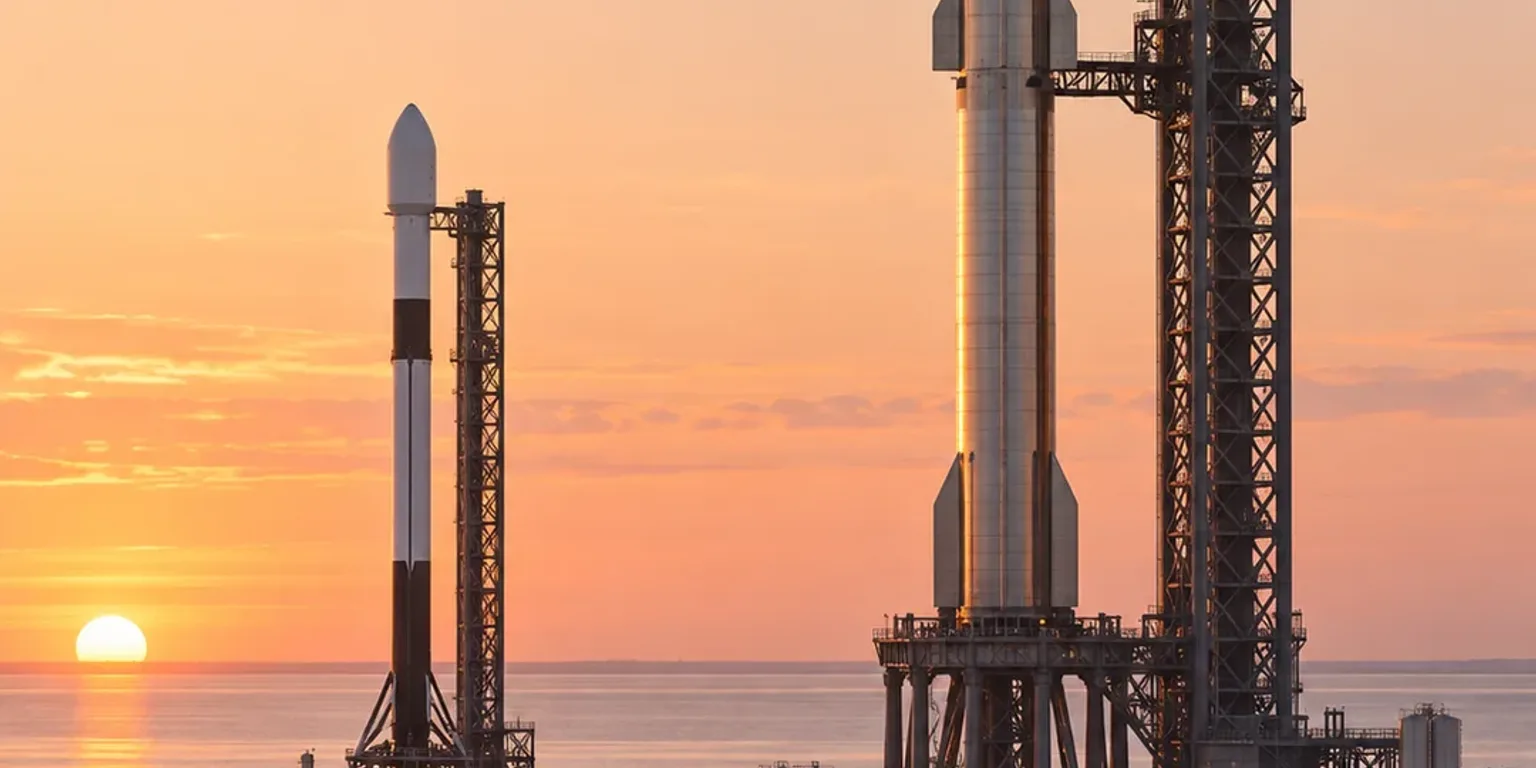
 postregister.com · AP News in Brief at 9:04 p.m. EST | National News | postregister.com
SpaceX is trying to make its giant Starship system fully reusable, launching it, catching each piece back at the pad, and flying it again quickly.
The system has two parts. The first-stage booster, the big lower section, provides the initial push off the launch pad in Texas. The upper spacecraft, called Starship, rides on top and continues into orbit.
In the plan, the booster does not fall into the ocean and get thrown away. It turns around, flies back to the launch site, and is grabbed in midair by mechanical arms attached to the launch tower.
Then Starship keeps going. In its latest test, it reached orbit and released 26 of its newest internet-beaming satellites, which provide internet service from space.
Then Starship keeps circling. The plan called for 15 trips around the planet at about 170 miles up, with the flight lasting as long as 22 hours. The report, published Friday, Nov. 13, said it was set to steer back to the same tower for its own catch on Saturday, Nov. 14, so the outcome was not known when the report ran.
A double catch would mean recovering both the booster and the spacecraft for future reuse. Saving every piece of a rocket for another flight has not been done yet by anyone. In this test, the booster was diverted offshore to the Gulf of Mexico, where it exploded, so the company missed half the goal.
Company founder Elon Musk says that kind of quick, repeat flying is what future lunar outposts and crewed Mars trips would require.
Questions people ask
Why catch a rocket with arms instead of landing it?
Landing with legs adds weight and takes up space, and landing on the ground still requires moving the rocket back to the pad. Arms on the tower can grab the returning vehicle in the air, hold it upright, and set it directly back where it will launch again, which saves time and weight.
Why does reuse matter so much for the Moon and Mars?
Throwaway rockets work fine for one flight, but building a giant new rocket for every Moon or Mars trip would be slow and expensive. Reusing both parts, like reusing an airplane instead of building a new one for each flight, is meant to allow many launches in a short period.
What are the Starlink satellites it carried?
Starlink is SpaceX's network of satellites that beams internet to homes, businesses, and remote areas. Starship is designed to carry many of them at once, and delivering 26 advanced versions showed it can do useful work while testing reuse.