An Unknown Fund Manager Topped the Charts by Buying the Cheapest Stocks
Housel recalls the unknown winner topping the charts for about two years, and says today's steady index fund buyers follow the same simple playbook.
 BiggerPockets · Morgan Housel: The Investing Expert’s “System” for Stress-Free Wealth
As finance writer Morgan Housel remembers it, the best mutual fund manager of the early 1980s was a complete unknown with no public reputation. He had emerged suddenly to post the highest returns over roughly the previous two years.
A big financial magazine that tracked the best managers of the year sent a journalist to find him and ask how he did it. Housel says he thinks it may have been Forbes or Morningstar, but he is not sure which one.
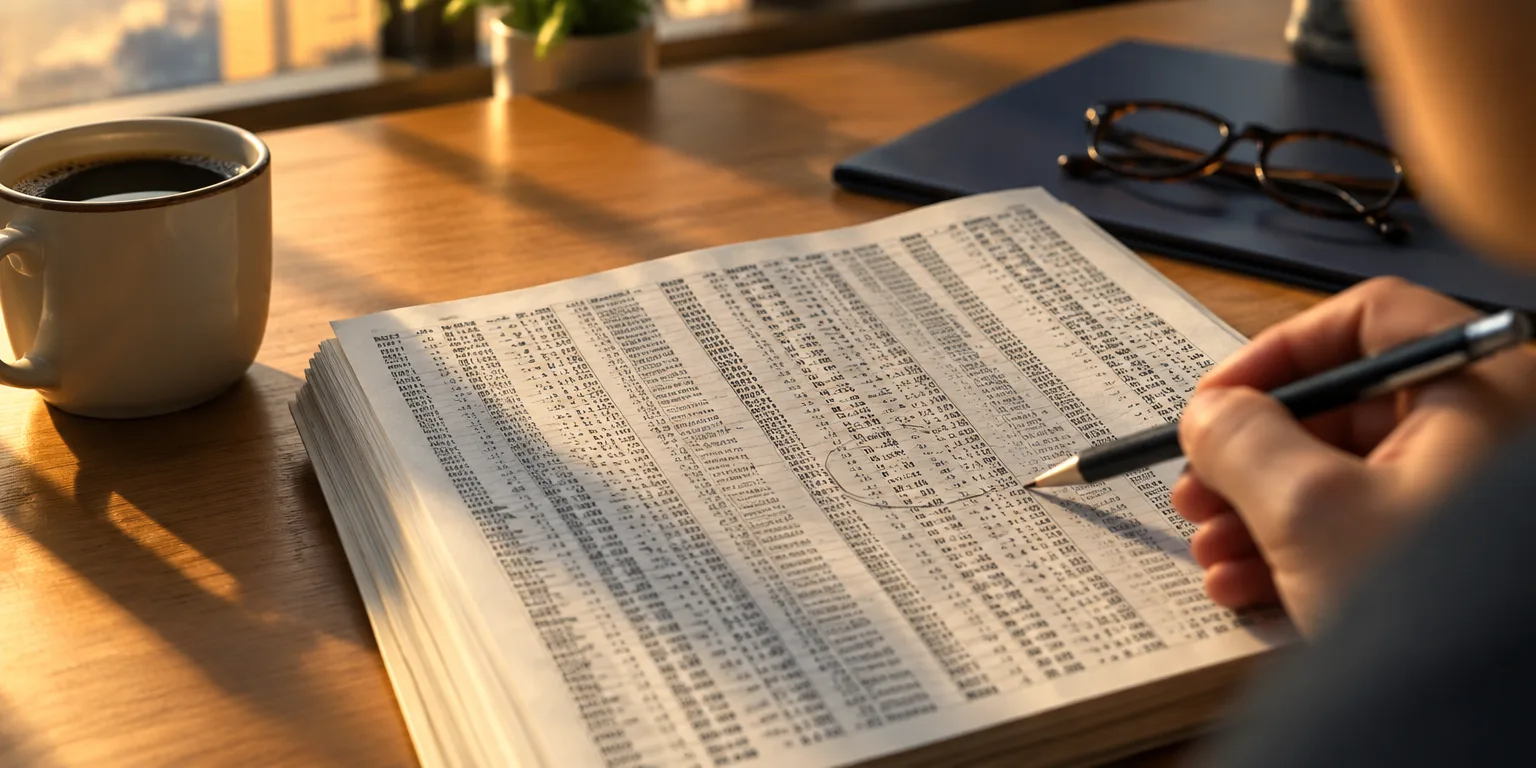
The manager pulled out Value Line, a publication that ranked stocks by how cheap they were using a formula. He said, "I bought the cheapest stocks."
That was the whole method. There was no forecast, no market timing, and no secret signal, just the cheapest names on a printed list.
Housel tells the story as a contrast with the rest of the industry. Other portfolio managers hired astrophysics PhDs, built complicated models, and pulled their hair out trying to outthink the market, and did worse.
He says the modern version of that 1980s manager is the person who steadily buys index funds and beats most other investors. An index fund is a low cost basket that holds small pieces of hundreds of companies at once, and buying on a regular schedule ties results to the broad market over time.
By Housel's rough count, those steady buyers beat 90 percent of investors. His larger point is that the age of abundant data and constant monitoring can backfire, and a simple approach that is directionally right can win by demanding less attention, less trading, and less worry.
Questions people ask
What was Value Line?
Value Line was an investment research publication that ranked stocks by formula, including measures of cheapness. In Housel's telling, the manager used those rankings to find the least expensive stocks. The appeal was simplicity, since a printed list did the sorting instead of a custom model.
Why would buying the cheapest stocks work?
Cheap in this context means low priced compared with profits, sales, or assets, not low priced in dollars. Academic research has linked inexpensive value stocks to higher long-term returns, though those stocks can lag for years at a time. Housel presents the episode as an example of simplicity beating complexity, not as a guarantee.
How does steady buying of index funds beat most investors, in Housel's account?
Dollar-cost averaging means investing a fixed amount on a regular schedule through market ups and downs. An index fund holds small pieces of many companies at once for a low fee. Housel's argument is that the combination tracks broad market performance while avoiding frequent decisions, high fees, and mistimed trades.