Economists Say the Fed Likely Avoided Rate Moves Before the Midterms
Another increase would have added to home-loan and credit-card costs that were already high.
 Up First from NPR · Midterm Spending Blitz, GDP & Inflations Reports, Israel Election Deadlock & Iran War
Asked why the Federal Reserve had left interest rates unchanged before the midterms, despite inflation that was still higher than it wanted, NPR's Stephen Basaja offered two explanations.
He said the central bank had already raised rates once in September in an effort to cool the economy and slow price growth.
Then he added the calendar. The Fed says elections play no role in its decisions, but the economists Basaja cited believe it was reluctant to cause waves ahead of voting, which has since taken place.
Their reason was practical. Basaja said officials understand that even a modest increase can hurt shoppers because it often pushes up home-loan costs and credit-card borrowing costs, which were already elevated.
In that view, officials favored a gentle slowdown that limited added pain for borrowers rather than a sharp tightening that piled on new costs at once.
The backdrop was stubborn inflation. Consumer prices had risen 3.7 percent that September versus the same month a year before, and prices were rising faster than wages.
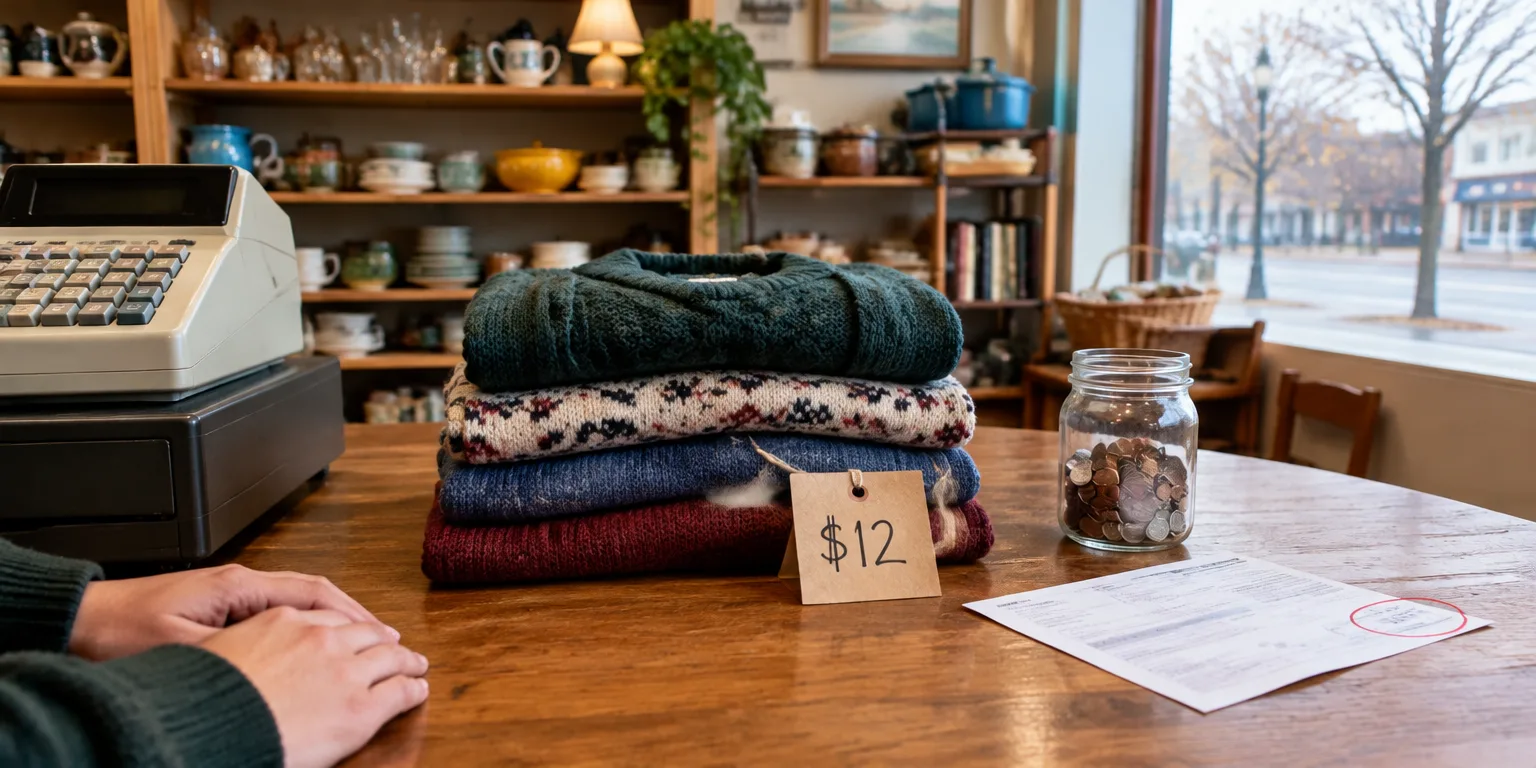
Siri Stephen, who manages a resale shop in Decorah, Iowa, described that squeeze in her own household. She said gas, food, and utility bills keep rising while pay has not, leaving her family unable to put money away for emergencies.
The central bank denies timing had anything to do with the election, while economists argue policymakers prefer to avoid a surprise in the final days before voting if they can wait.
Questions people ask
Why would a Fed move change my mortgage or credit card rate?
Banks use the Fed's rate as a guide for what to charge. When it rises, lenders usually charge more for new home loans, for adjustable loans, and for credit card balances. Deposit rates can rise too, but loan rates tend to move more clearly for borrowers.
How does raising rates bring inflation down?
Costlier borrowing leads fewer people to buy houses, cars, and other big items on credit, and leads businesses to borrow and expand less. With less spending, sellers have a harder time raising prices. Over time, that can bring inflation down.
Does the Fed always hold steady before elections?
No. The Fed says voting plays no role, and it has changed rates near past elections when officials judged the economy needed it. The argument here is narrower, that policymakers prefer to avoid an unwelcome surprise in the final days before voting if they can wait.