The Oil Glut Forecast Misses All the Empty Emergency Tanks
Energy analyst Phil Flynn argues that refilling drained reserves, plus building new ones in Asia, could absorb some of the expected surplus, though he gives no figure.
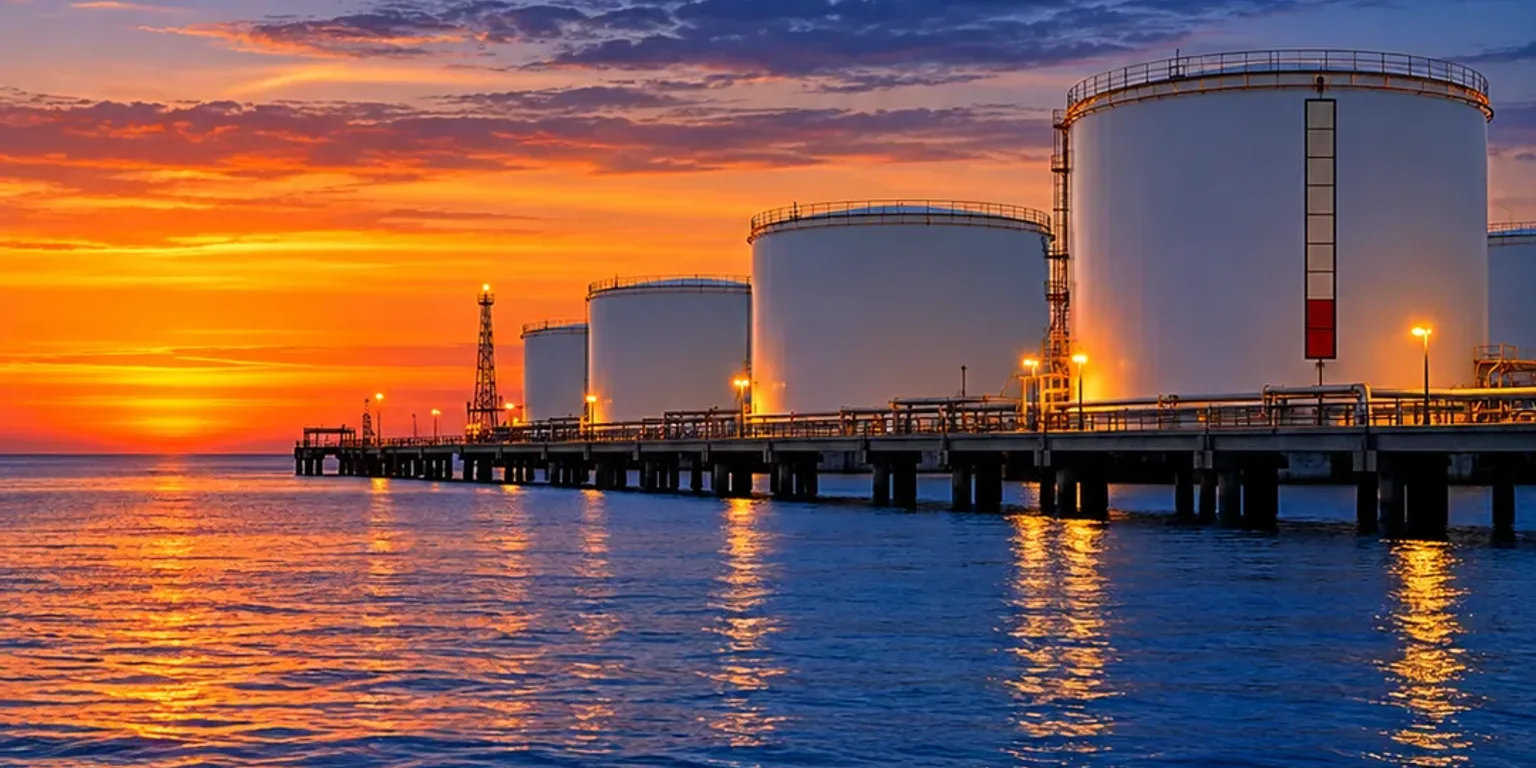
 investing.com · The Energy Report: Global Oil Glut Has a Catch | Investing.com
As forecasters counted up a coming oil glut, energy analyst Phil Flynn wrote to investors in a column published Tuesday with a warning to look at the tanks, not just the taps.
The numbers behind the glut talk are large. The International Energy Agency said global supply rose by 2.3 million barrels daily during October, reaching 105.4 million. It forecasts 1.7 million barrels daily more supply than demand in the fourth quarter, and Goldman Sachs sees a 2-million-barrel-a-day surplus next year.
Flynn accepts those supply and surplus figures, but he argues the forecasts miss the buyers who will refill emergency stockpiles. In his words, "That's demand that doesn't show up in most surplus forecasts."
What he means is the world's emergency stockpiles, drained during the war with Iran, must be bought back. In the United States, the Strategic Petroleum Reserve, the country's underground emergency oil stockpile, dropped to 276.4 million barrels, its lowest since August 1982.
Every other country that drew down reserves will be shopping too, Flynn argues. He is also skeptical of Goldman's call that China's oil demand peaked in 2025. As Flynn put it, "China has a habit of buying oil when it's cheap and stuffing it in storage," and he expects it to do so again.
Then there is new demand from Asia. Japanese Prime Minister Sanae Takaichi has proposed an "Asia Oil Security Task Force" to coordinate backup supplies, and offered Japan's spare tanks to hold oil for neighbors.
The need is stark. Southeast Asia keeps only about 30 days' worth of oil in storage, against the 90 days of net imports recommended by the Paris-based International Energy Agency. Japan entered the Iran war with 250 days of oil, yet still saw factories run short of plastics, inks, and surgical gloves because it depends on Southeast Asia for naphtha, an oil product used to make plastics, and other refined materials.
Filling that gap would take a lot of crude: a Jakarta think tank puts the cost of adding 60 days of stocks across the 11 ASEAN members at about $2.2 billion annually. Japan already lends storage tanks to Saudi Arabia, the United Arab Emirates, and Kuwait in exchange for priority access in an emergency.
Amrita Sen, an analyst at the energy consultancy Energy Aspects, says Gulf producers need storage near their customers to keep oil flowing if shipping is disrupted. Philippine President Ferdinand Marcos Jr. cautions that stockpiling alone is not enough.
Questions people ask
What is the U.S. Strategic Petroleum Reserve?
The Strategic Petroleum Reserve is oil held by the U.S. government in underground salt caverns along the Gulf Coast for emergencies. Presidents can order releases to add supply during wars or hurricanes, and the oil is later bought back on the market, which can support demand and prices.
What is ASEAN and why does it need shared oil storage?
Members cooperate on trade and policy, but energy stockpiles have been uneven, with Singapore, Indonesia, and Malaysia further ahead than some neighbors. The new proposal would coordinate inventories across the region, with Japan providing spare tank space and technical advice from the International Energy Agency.
How can refilling reserves change an oil surplus?
When governments buy large volumes to refill reserves, they add demand even if drivers and factories use the same amount. Those purchases can tighten available supply, slow price declines, and shorten a surplus, especially if several countries buy at the same time.