Thinking You Slept Badly Can Ruin Your Day Like Bad Sleep Does
A sleep physiologist says rigged bad scores produced the same daytime response as real bad sleep.
 Something You Should Know · Stop Trying So Hard to Sleep & Why New Things Are So Hard to Resist
Believing you slept badly can produce the same daytime physical response as actually sleeping badly, says sleep physiologist Stephanie Romiszewski.
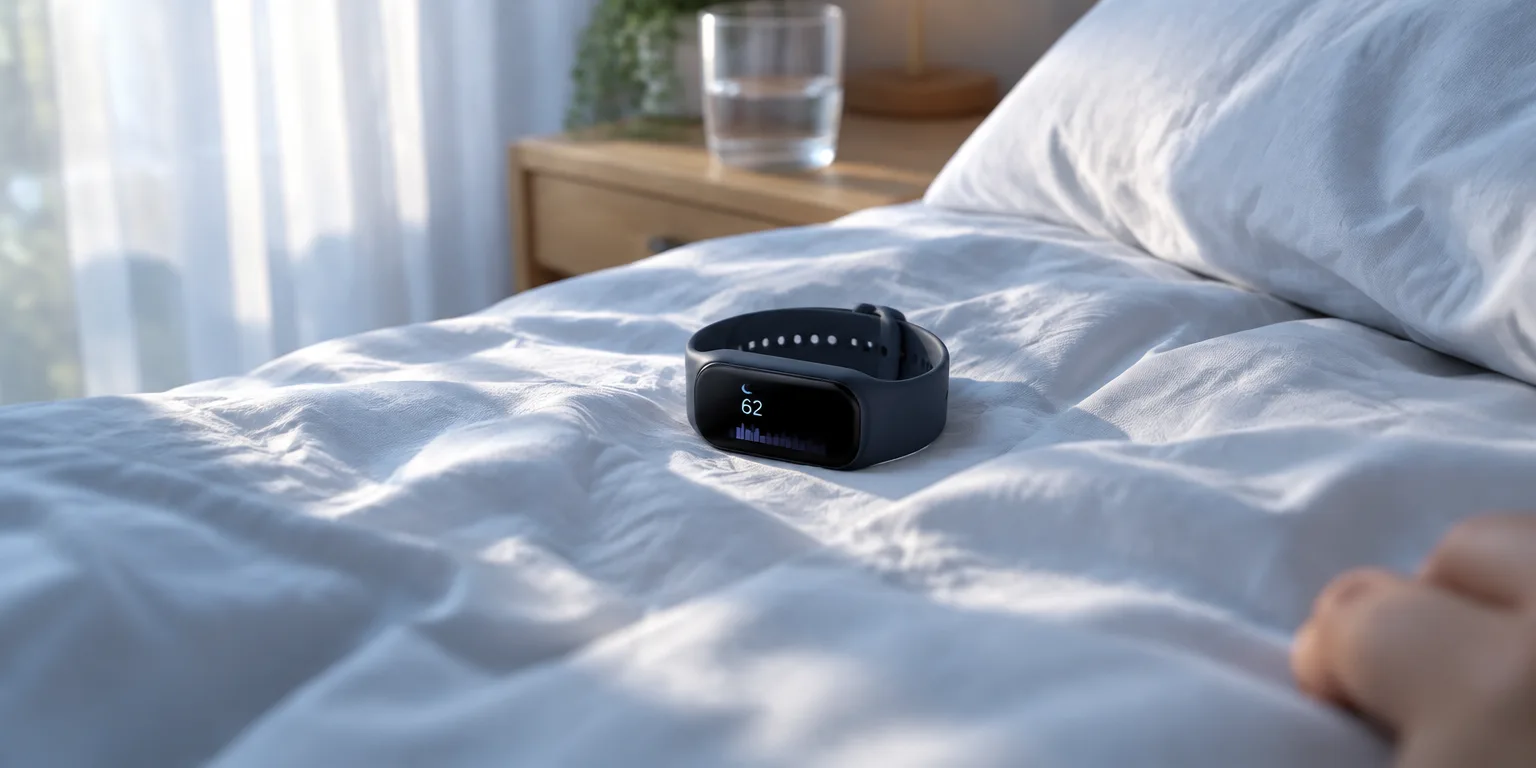
In research she describes, sleep watches were manipulated to always report a bad night. People then responded in the body during the day as if the poor sleep had been real.
She says everyday trackers invite that mistake. Their readouts are noisy and very numerical, so a figure like 10 percent REM sleep feels low and implies REM should be fixed, even though people cannot target or improve REM on command and the devices are not as accurate as they claim.
The result is worrying, she says, because it breeds sleep anxiety. Someone can feel fine before checking the watch, then feel negative about the day after seeing the score.
Questions people ask
What do consumer sleep trackers actually measure?
Wrist trackers mainly sense movement and heart rate, and use algorithms to estimate sleep timing and duration. Sleep specialists say they can be useful for spotting patterns over many nights, but estimates of REM, light, and deep sleep are much less precise than brain-wave measurements.
Why can't a person target more REM sleep?
Sleep researchers describe REM and deep sleep as regulated by the brain, body clock, and sleep drive, not by conscious effort. Romiszewski says there is no way to single out REM for improvement, so a low REM percentage does not point to a fixable problem.
How can only thinking sleep was poor affect the body?
Expectation and worry can change alertness, mood, and physical feelings during the day. Researchers have found that negative sleep feedback can make people report fatigue and perform as if deprived, and specialists link that loop to higher sleep anxiety.