Today’s Kids Get Less Daily Practice in Sharing and Settling Fights
Larger homes, smaller and more spread-out families, and quicker parental intervention mean fewer everyday lessons in compromise.
 Not Dead Yet · Dan Cox
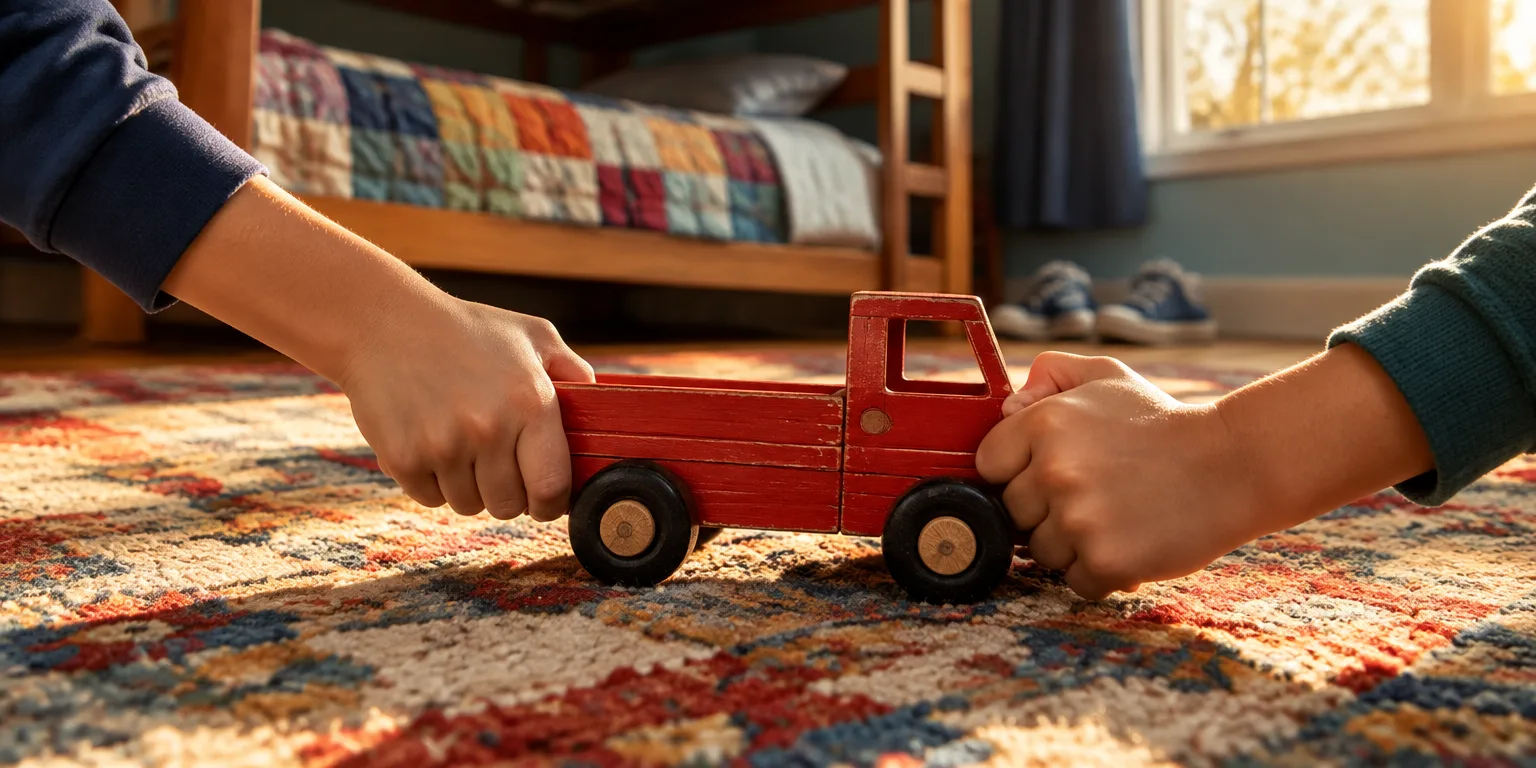
Cox says daily practice in getting along came from a shared bedroom, a shared bathroom, or a toy grabbed by a sibling.
Daniel A. Cox, a researcher at the American Enterprise Institute who studies social connection, says many children today get less of that practice. Being with someone requires compromise and give-and-take, he says, and young people have less experience with it.
Part of the reason is demographic, in his account. Americans live in larger houses today, Cox says, and that means siblings are not sharing bedrooms and bathrooms in the way they once did.
Parents are also having fewer children, with about one in five families having only one child, he says. And children are spaced more widely in age, so even a child with siblings can, to use his example, have a brother or sister six or seven years older.
That spacing means fewer chances for what Cox calls formative friction: dealing with a sibling crowding them or breaking their things. Cox, who grew up between two brothers, said it could be annoying at times, but it taught him how to navigate disagreements.
In his family, he said, his parents would “sort of say, you figure it out.” Children who get chances to work things out without parents stepping in at once to settle each dispute learn to resolve problems themselves, he says.
The result, Cox argues, is less buildup of social competence. Without steady small negotiations at home, the compromises required later for friendship and family life can feel unfamiliar.
Questions people ask
Does being an only child mean worse social skills?
Not necessarily. Research generally finds that only children can develop strong social skills through cousins, friends, school, and activities, though they get less built-in practice at home. What matters more is repeated, unsupervised give and take with peers.
How would a bigger house affect how kids learn to share?
Space changes how often children must negotiate. When each child has a bedroom and bathroom, there are fewer conflicts over privacy, noise, and belongings. Fewer conflicts can mean a calmer home, but also fewer chances to practice sharing and repair.
What can parents do if their kids have fewer siblings close in age?
Parents can create low-stakes practice by letting siblings try to settle small disputes first, then coaching afterward. Regular shared activities, chores, and play with neighbors or cousins can add the same kind of friction. The goal is guided independence, not leaving children to handle serious conflict alone.