Volunteers Reverse-Engineered Apple's Smart Home Before You Could Buy It
Four months after Apple announced HomeKit, a developer taught a computer to act like an accessory, months before official gadgets reached stores.
 Foxy's Lab · Apple Home explained: what you need and what stays in your house
On June 2, 2014, Craig Federighi, an Apple executive, took the stage at Apple's yearly developer conference with a complaint about the smart home. Each device needed separate software and refused to cooperate with the rest.
His answer had a name, HomeKit, a system meant to tie them together. The crowd applauded, then shoppers waited roughly a year with no compatible products in stores.
That empty stretch is what makes what happened next remarkable. Volunteers decoded Apple's new language and built a way in before any official gadget was on sale.
Anything sold as HomeKit had to pass Apple's certification program, which at first required a special security chip inside each device. The first offerings, from lighting and home-control firms Lutron and Insteon, reached stores in June 2015.
Apple expected that rule to keep weekend builders away. In October 2014, while shelves were still empty, developer Khaos Tian shared a project called HAP-NodeJS.
The software could imitate a HomeKit accessory. In his notes, Tian credited fellow developer Alex Skalozub with working out how Apple's side of the communication operated, and cautioned the effort may diverge from official requirements, since solo builders were shut out of certification.
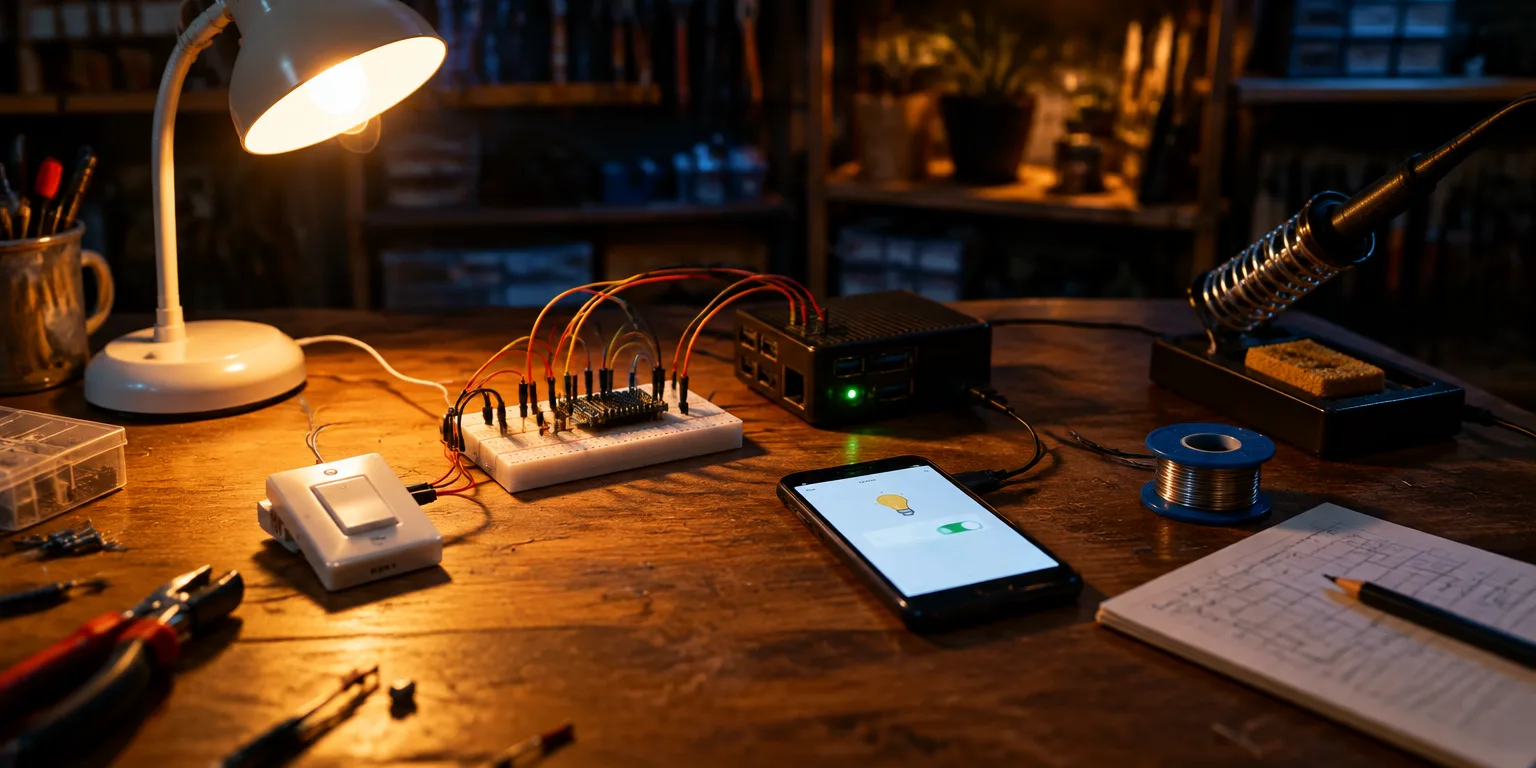
In December, developer Nick Farina started Homebridge, using Tian's code as its base. The tool makes incompatible lights and other gear show up inside Apple's Home app as native entries.
Hobbyists had thus created an entry path before buyers could find any official item in stores. Homebridge continues today, maintained by volunteers with no connection to Apple.
Apple did not release its control app until 2016. Federighi introduced the Home app that June, it shipped that fall, and it brought grouped controls and automated routines that ran through a living-room Apple TV.
A year later, in 2017, Apple opened the accessory rules for hobbyist projects, so builders could work with permission rather than decoding from outside. Later Apple allowed identity checks through software rather than demanding the physical chip, long after outsiders had shown what was possible.
Questions people ask
What exactly does Homebridge do today?
Homebridge is free, volunteer run software that lives on a small home computer and translates between devices. Makers of lights, plugs, and sensors that were never made for HomeKit write plug-ins, and Homebridge presents those devices in Apple's Home app as if they were native accessories.
Do new devices still need Apple's old system to work with iPhones?
Apple now offers two official paths into its Home app. Devices can use Apple's own HomeKit protocol, called HAP, or they can use Matter, a newer common standard backed by Apple, Google, Amazon, and others. Both types can be controlled side by side in the same app.
Why did Apple require a special chip at first?
Apple first wanted a physical authentication chip to prove a device was certified and to handle encryption. It later allowed software authentication, which lowered cost and effort for makers. The company also opened the protocol for noncommercial hobbyist use in 2017.