When Others Skip the Law, People Ask Why They Should Obey It
Commentator Tucker Carlson argues that perceived exemptions make taxes, tickets, and benefits feel optional.
 The Tucker Carlson Show · Trump Admits Mass Deportations and Building the Wall Was All a Total Scam. Tucker Responds.
When some people are excused from the law, everyone else starts to treat the law as optional. That is commentator Tucker Carlson's argument about what happens when enforcement looks unequal.
He was discussing immigration enforcement and the idea of excusing a very large group from federal law when he offered his summary, in his words: “People follow the law because they believe in the project.”
He describes the system as voluntary. No police force or camera network could make every person honor every rule, he argues.
That is why, he says, perceived exemptions matter. He asked why he should pay taxes or bother with a driver's license, and why he can't vape on airplanes, if millions of people using fake Social Security cards, birth certificates, passports and driver's licenses face no penalty and are even rewarded.
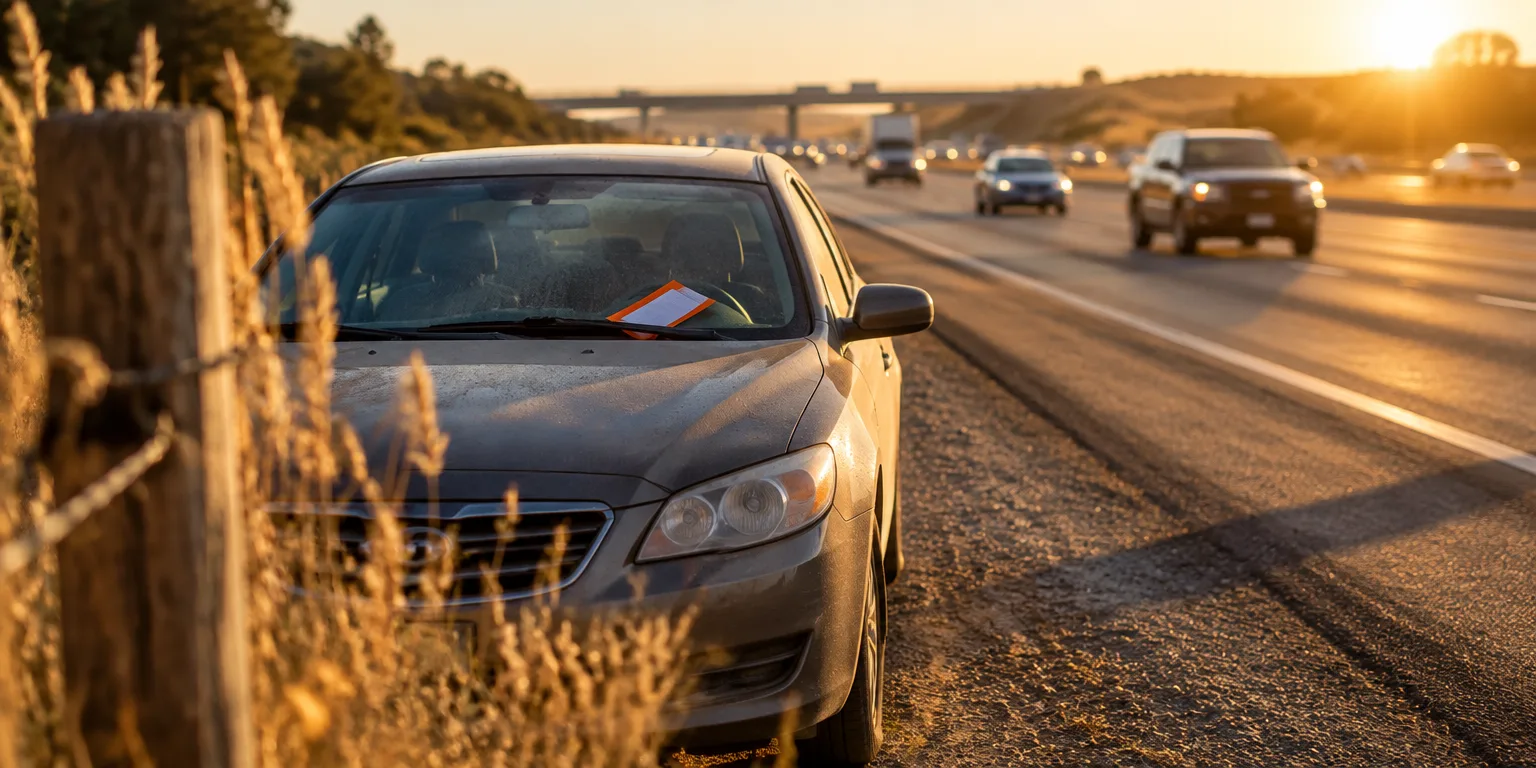
He used speeding tickets as another example. He said states such as Illinois can fine drivers thousands of dollars for speeding, which he called revenue raising, and asked why a driver pulled over there should pay if tens of millions of other people are told they do not have to obey federal law. The figure of 50 million people excused from the law was President Donald Trump's estimate as Carlson relayed it, not an established fact.
He extends the same argument to public benefits. He said Americans once avoided welfare unless they truly needed it because it felt shameful, but claimed that reports of mass welfare fraud have changed attitudes.
His closing example was an alleged case in Lewiston, Maine, involving what he described as a fraudulent Somali-run daycare operation. Carlson claimed the man behind it made 30 million dollars while driving an expensive car, and argued that citizens who see that start asking why they should not seek extra benefits themselves, until, as Carlson put it, "everybody is in it for himself and no one is in it for the country."
Questions people ask
Is there evidence that perceived unfairness really reduces lawbreaking?
Research on procedural justice finds it does. Psychologist Tom Tyler and others have found that people are more likely to obey when they view authorities as fair and the rules as equally applied. Perceived favoritism tends to reduce voluntary compliance.
Can Illinois really fine speeders thousands of dollars?
Illinois sets higher fines in construction and some safety zones, and penalties can add up with court costs. The state, like others, says the goal is safety, while critics argue cameras and fines also raise revenue.
What is the daycare fraud case Carlson is referring to?
Minnesota and Maine have brought fraud cases involving Medicaid funded services and childcare programs, including cases in Somali American communities. Prosecutors allege millions in false claims, though details and outcomes vary by case and not every allegation has led to conviction.