Why Smart AI Assistants Still Book the Worst Seat on the Plane
Websites were designed to nudge impulsive humans, not clear-eyed bots, and stores have little reason to let the bots in.
 The a16z Show · Alex Imas & Tyler Cowen | AI Is Moving Fast. Why Isn’t the Economy?
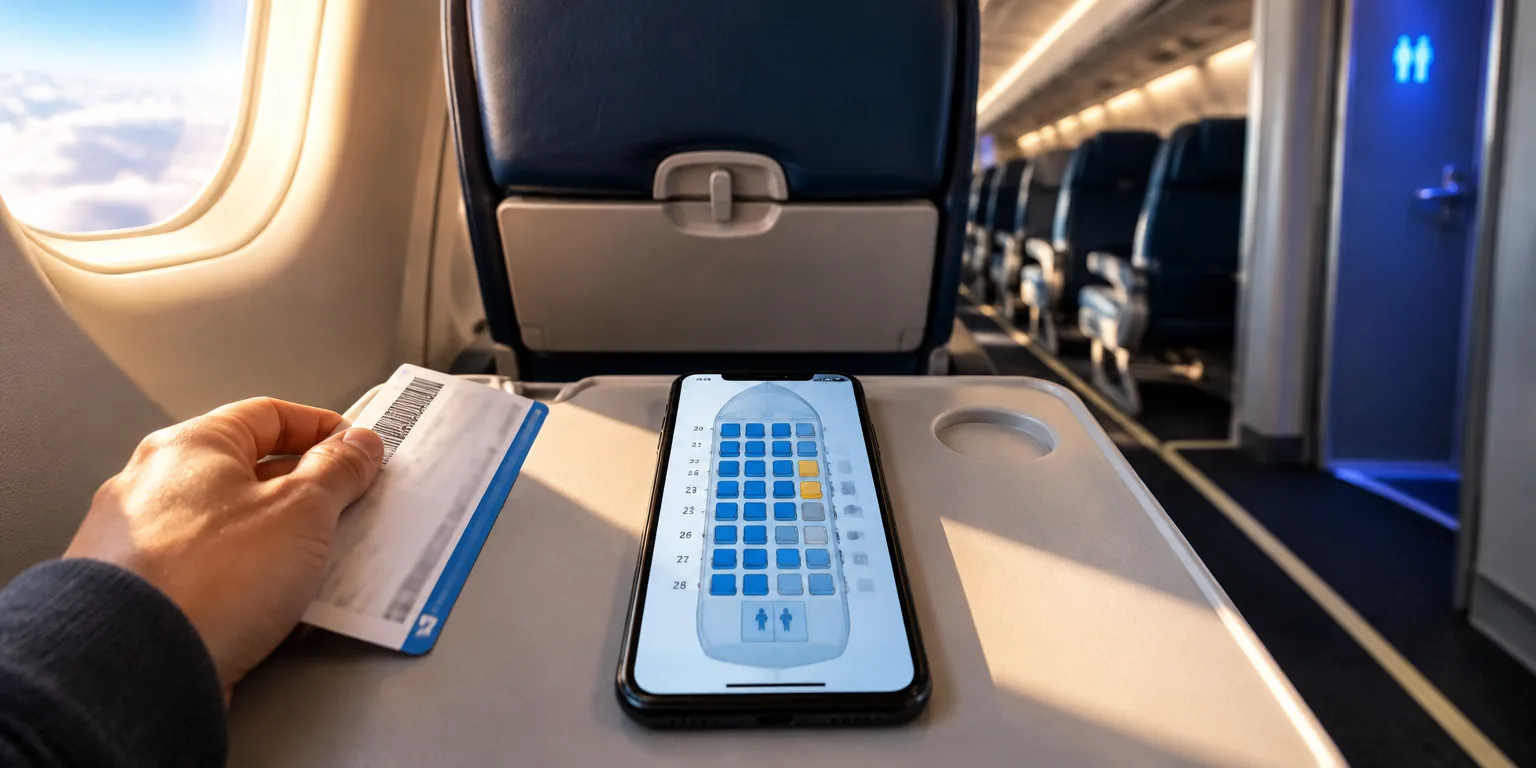
Economist Alex Imas offers a homely example of why capable helpers disappoint: a super smart agent that repeatedly books a traveler a seat beside the airplane toilet.
Imas says the holdups are unintuitive because "websites are designed for human beings" and they are all different.
He imagines the traveler saying, "I don't want to use an agent next time."
The second obstacle is business. Companies spend billions of dollars on basic choice architecture, the page design that nudges shoppers toward pricier options and add-ons, "in order to upsell humans on products," Imas says.
Agents do not have the same psychology, so they are not prone to that sort of choice architecture.
That gives platforms an incentive not to allow "somebody else's agent to go in and shop for them," Imas says. Pull up Muse, an AI chatbot, for example, and it cannot shop on Amazon for you.
So capability alone does not make an assistant useful. Until those human-built obstacles change, even super smart agents could keep tripping on ordinary errands.
Questions people ask
Why don't retailers just build an agent-friendly version of their sites?
They are starting to, with cleaner product feeds and checkout tools made for software rather than eyeballs. But many retailers earn money from impulse buys and upgrades, so a simpler agent lane could reduce revenue unless they charge for access.
Are websites actively blocking AI shoppers?
Sometimes yes, through login puzzles, bot detectors, and terms of service that forbid automated buying. Other times the design itself is the barrier, since every site uses different labels, layouts, and steps that confuse even capable software.
Will people trust agents once the technology improves?
Agents still make everyday errors on real-world tasks, from misreading seat maps to mishandling returns and delivery options. One or two annoying failures can be enough for a busy shopper to go back to clicking herself.