Wright Had a Patron Pay for His Mother's Cottage, Then Moved In His Mistress
He borrowed $75,000 over the years and never repaid it, and after Martin lost everything in the 1929 crash he sent him a free autobiography.
 Stuff You Should Know · Selects: The Tailesin Massacre
When Frank Lloyd Wright came back to Chicago in 1910, he needed a place to live and someone to pay for it. He had just spent more than a year in Europe with Mamah Borthwick, after both of them left their families, and the trip had made headline news.
He moved back in with his wife, Kitty, and their six children while quietly planning a new house for himself and Mamah. People in his social orbit, including neighbors, colleagues, and friends, would have little to do with him and Mamah.
One neighbor's mother refused to lend Wright cream because she considered the couple sinners. Kitty later wrote that he had brought back everything but his heart.
Wright turned to Darwin Martin, the Buffalo soap-company executive, loyal client, and wealthy benefactor. He asked Martin for $25,000 in seed money for a new project.
The pitch was modest and reassuring. Wright said he wanted to build a cottage for his mother, that the affair was long over, and that the house would not be a hideaway for him and Mamah.
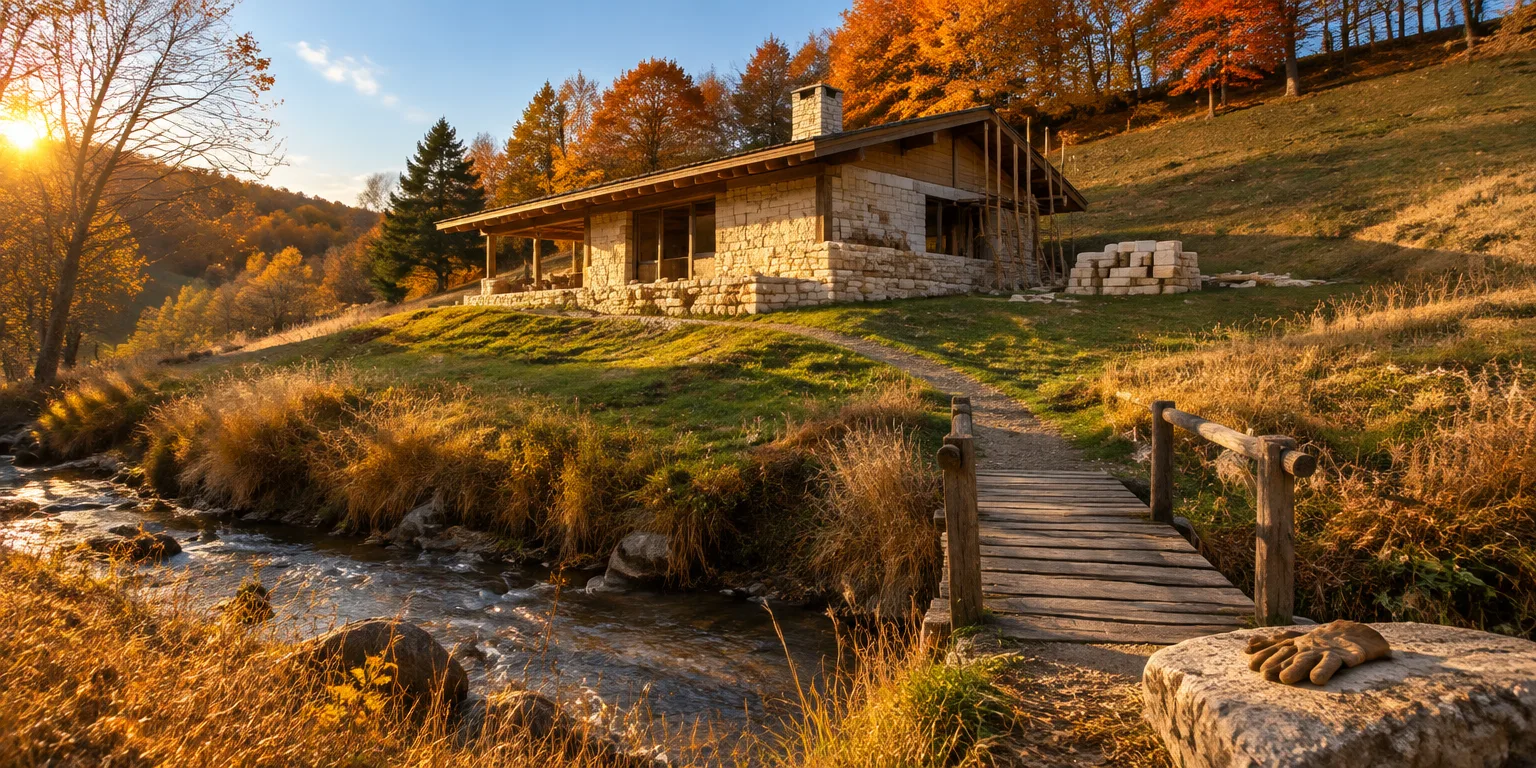
Martin gave him the money. Wright built the house in the Wisconsin valley where he had spent childhood summers, and by Christmas 1911, he and Mamah were living there together.
The $25,000 was only the start. Over the course of Wright's career, Martin lent him $75,000 in total, despite Wright's chronic trouble with money.
The ending was harsh for Martin. After the stock market crash in 1929, Martin went from being extraordinarily wealthy to being flat broke, and he never recovered financially.
Martin was never repaid any of it. When Wright's autobiography was published, Wright made sure Martin received a free copy.
Questions people ask
Who was Darwin Martin?
Martin was a wealthy executive with the Larkin soap company in Buffalo, New York, and one of Wright's most loyal clients and supporters. Wright designed the large Darwin Martin House for him, which is now a major historic site.
What happened to the house Wright built with the money?
It became Taliesin, Wright's home, studio, and school on 800 acres in Wisconsin. Wright kept rebuilding and expanding it for decades, and it remained central to his work until his death in 1959.
Was Wright often in debt?
Yes. Even while earning substantial fees, he routinely spent more than he had and relied on clients, friends, and patrons for loans. At one point he left his own family with a $900 grocery bill.