Health Executive Argues U.S. Chicken Fat Resembles Seed Oil
Mares argues corn and soy feed shapes chicken fat, offering his own explanation tied to digestion.
 The a16z Show · The Health Interventions Actually Worth Your Time | Justin Mares
Justin Mares, the chief executive of TruMed, was running through his usual meals, ground beef with carrots and vegetables for lunch and fish or beef with vegetables for dinner, when he was asked about a meat missing from the list: chicken.
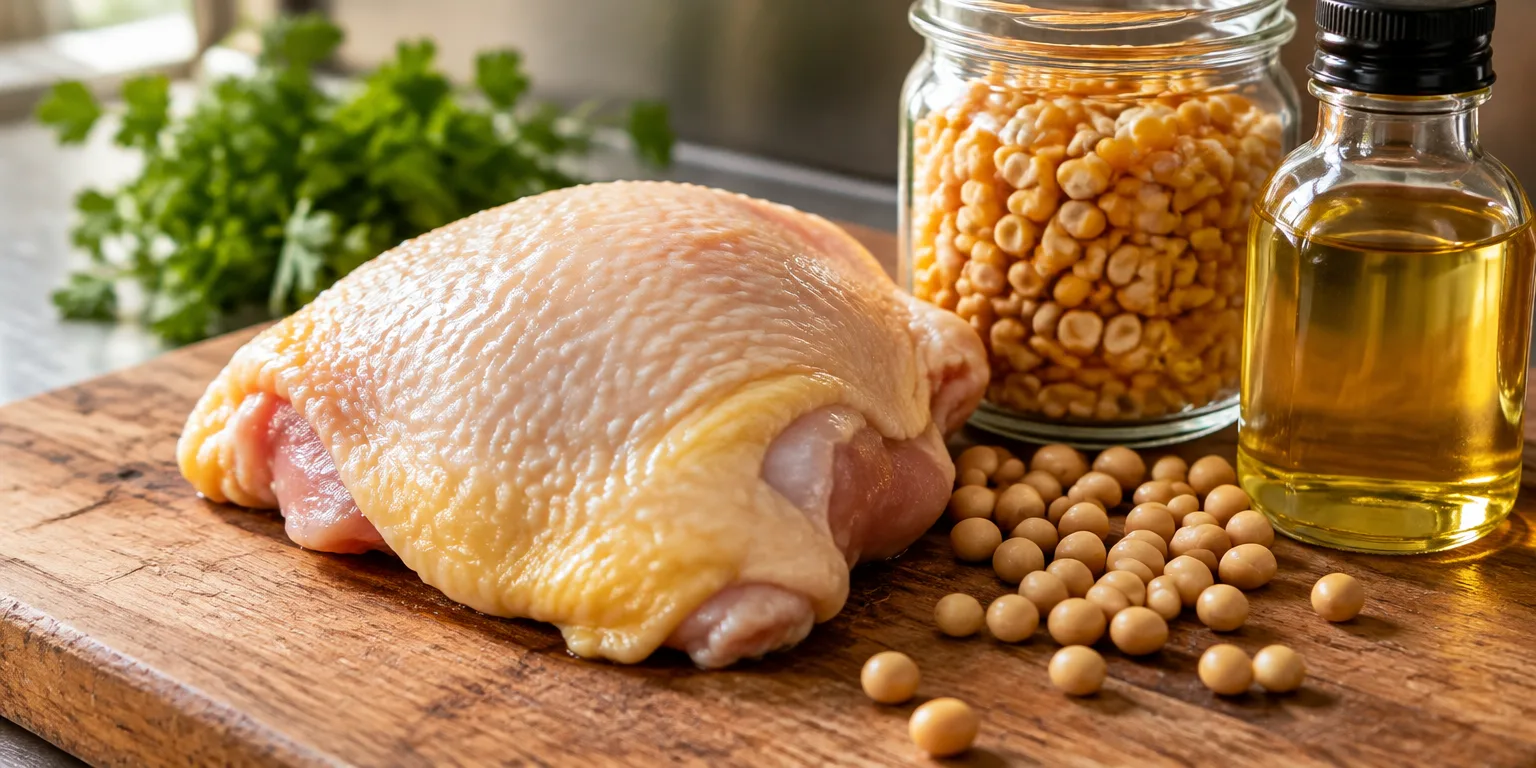
“You have these chickens basically that have the muscle and fat profile of something resembling a seed oil,” he said.
What he meant, he said, was polyunsaturated fatty acids, or PUFAs, a kind of unsaturated fat that he describes as the main fat in many seed oils and as very high in nuts. In his view, the average American gets too many calories in that form.
Mares offered his own explanation starting with digestion. He said chickens have one stomach, so diet passes straight into tissue, while cows have a more complex system that processes feed and integrates it into muscle differently.
On feed, Mares said, “In the US, most chickens are fed corn and soy almost exclusively.” He argues that fatty acid profile carries into the meat.
Mares said he and his wife put most of their effort into sourcing very high quality ingredients. His regular meals lean toward beef and fish, with tacos as another easy option.
He added that he believes chicken used to be much healthier. He presents the wider argument about seed oils and unsaturated fats as contested, while saying he personally finds the evidence fairly clear.
Questions people ask
Is chicken still a good source of protein?
Yes. A cooked, skinless chicken breast has about 31 grams of protein per 3.5-ounce serving and relatively little total fat. Mares is raising a question about the type of fat that remains, not about protein content.
Where do most unsaturated fats in the American diet come from?
For most people, bottled cooking oils, salad dressings, fried foods, and packaged snacks supply more linoleic acid, the main omega-6 polyunsaturated fat, than meat does. Researchers track chicken as one contributor among many, with oils and ultra-processed foods usually larger.
Does cattle feed change beef fat in the same way?
Feed can shift beef fat, but usually less sharply. Cattle ferment feed in the rumen, a large first stomach, which partly saturates unsaturated fats before they reach muscle. Grain finished beef still tends to have more omega-6 fats than fully grass fed beef.