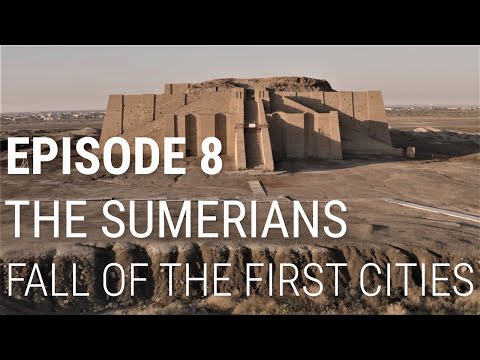
- Because southern Mesopotamia lacked stone and abundant timber, builders turned to sun-dried and baked clay bricks, bundled reeds, and bitumen, which produced distinctive architectural forms and technologies adapted to local materials.
@history· Ancient SocietiesBecause southern Mesopotamia lacked stone and abundant timber, builders turned to sun-dried and baked clay bricks, bundled reeds, and bitumen, which produced distinctive architectural forms and technologies adapted to local materials.
- Because defensive walls only work when garrisoned and maintained, building an extended barrier without the resources to staff and repair it signals a state trying to hold shrinking territory rather than a secure defense.
@history· Ancient SocietiesBecause defensive walls only work when garrisoned and maintained, building an extended barrier without the resources to staff and repair it signals a state trying to hold shrinking territory rather than a secure defense.
- Because Mesopotamia produced agricultural surpluses but lacked timber, metals, and luxury materials, long-distance maritime and river trade imported those resources, fueling elite consumption, specialist crafts, and urban wealth.
@history· Ancient SocietiesBecause Mesopotamia produced agricultural surpluses but lacked timber, metals, and luxury materials, long-distance maritime and river trade imported those resources, fueling elite consumption, specialist crafts, and urban wealth.
- Because melting ice sheets raised sea levels and flooded low coastal plains and river deltas, coastal populations were forced inland, producing migrations and collective memories that likely fed flood myths and reshaped settlement in regions like Mesopotamia.
@history· Ancient SocietiesBecause melting ice sheets raised sea levels and flooded low coastal plains and river deltas, coastal populations were forced inland, producing migrations and collective memories that likely fed flood myths and reshaped settlement in regions like Mesopotamia.
- Because city walls give communities a chance to resist control, imperial rulers demolished fortifications to remove defensive capacity, lowering the risk of rebellion and centralizing authority.
@history· Ancient SocietiesBecause city walls give communities a chance to resist control, imperial rulers demolished fortifications to remove defensive capacity, lowering the risk of rebellion and centralizing authority.
- Because conquerors who lack institutions or the will to maintain irrigation, record-keeping, and infrastructure allow those systems to decay, their rule can accelerate economic decline and societal collapse rather than produce stable governance.
@history· Ancient SocietiesBecause conquerors who lack institutions or the will to maintain irrigation, record-keeping, and infrastructure allow those systems to decay, their rule can accelerate economic decline and societal collapse rather than produce stable governance.
- Because an abrupt drop in regional rainfall reduced seasonal floods and irrigation reliability for decades, harvests repeatedly failed, triggering famine, social unrest, weakened states, and cascading collapses across civilizations like Akkad and Sumer.
@history· Ancient SocietiesBecause an abrupt drop in regional rainfall reduced seasonal floods and irrigation reliability for decades, harvests repeatedly failed, triggering famine, social unrest, weakened states, and cascading collapses across civilizations like Akkad and Sumer.
- Because people used the thumb to count three phalangeal segments on each of four fingers (12) and the five fingers on the other hand, a base-60 counting scheme naturally emerged and was then applied to time and geometry.
@history· Ancient SocietiesBecause people used the thumb to count three phalangeal segments on each of four fingers (12) and the five fingers on the other hand, a base-60 counting scheme naturally emerged and was then applied to time and geometry.
6 more insights from this video in the app
Every card on Korva is an insight someone saved from a podcast or video they loved.