
Korva rescues the ideas worth keeping from podcasts. Each one becomes a Card.
Wearable research finds wellness optimization is concentrated among people who are already well.
90% of a child’s brain develops between ages zero and five, yet pediatrician visits average 22 minutes once yearly.
Cameras in children’s bedrooms through age 10 may reassure parents while making children feel persistently surveilled.
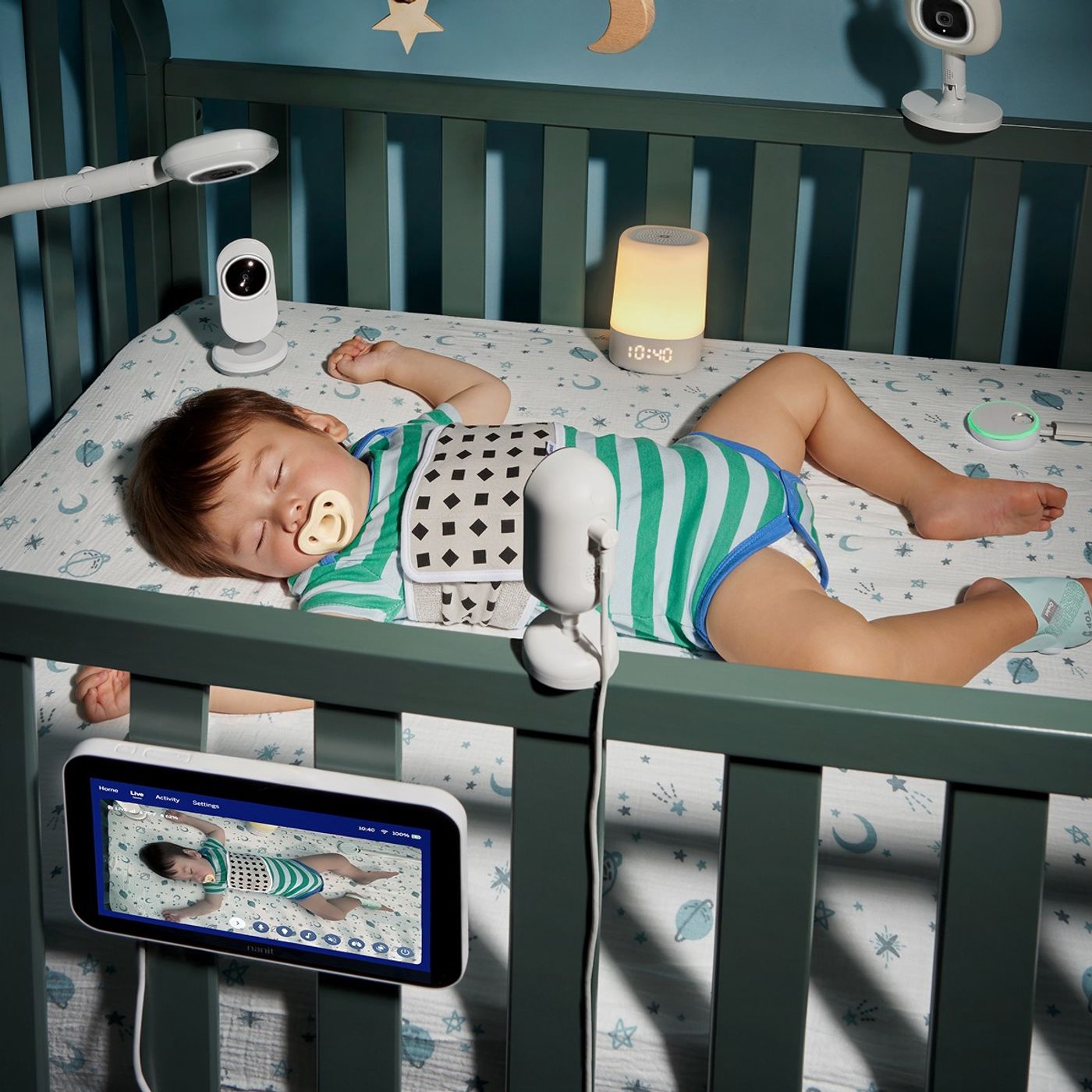
Sapna Maheshwari found Nanit’s constant notifications stressful and felt compelled to monitor the app instead of listening for crying.
WHOOP Age shocked 37-year-old Kevin Huang by rating him 44 through sleep, heart rate, and activity data.
Kevin Huang changed his mornings, workouts, sleep, and diet, then watched his WHOOP Age fall from 44 to 35.
Nanit moved beyond reporting sleep to using AI for bedtime advice and crib-behavior interpretation behind a subscription.
Wearables can change behavior because quantified advice sometimes feels more convincing than the same advice from a doctor.
At the UN General Assembly in New York, President Trump framed Iran as a choice: deal with Tehran or “annihilate the Islamic Republic.”
WHOOP turns stress, illness, diet, and workout intensity into a red, yellow, or green daily recovery score.
As parenting technologies expand, families must weigh what they gain against what they give up.
Babies are not robots: parents still need instinct, cues, and a relaxed approach.
Baby-tech products promise relief from infant anxiety and sleep deprivation while asking parents to trust instinct or AI.
Bring your next episode to Korva.
Turn podcast episodes into Cards you can save, explore, and find again.