KorvaThe social network for curious minds
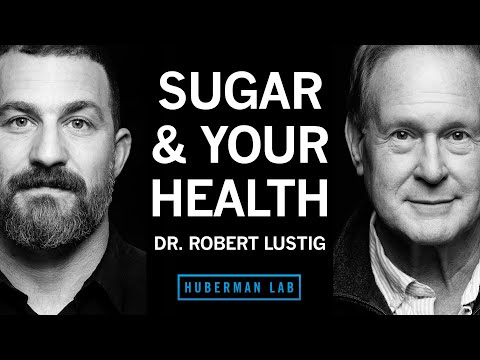
How Sugar & Processed Foods Impact Your Health | Dr. Robert Lustig
video · Andrew Huberman

How Sugar & Processed Foods Impact Your Health | Dr. Robert Lustig

Watch on YouTube
19 insights saved from this video by @health
  1. @health profile photo
    @health· Nutrition

    Cold exposure and altitude increase mitochondrial biogenesis because cold and hypoxic stress activate signaling pathways that upregulate mitochondrial production and energy expenditure, which correlates with lower obesity prevalence in those environments.

    Cold exposure and altitude increase mitochondrial biogenesis because cold and hypoxic stress activate signaling pathways that upregulate mitochondrial production and energy expenditure, which correlates with lower obesity prevalence in those environments.
  2. @health profile photo
    @health· Nutrition

    Short‑chain fatty acids produced by microbial fermentation of fiber help heal the gut and metabolism because SCFAs support intestinal epithelial health, reduce inflammation, and act as signaling metabolites, and fermented foods can deliver them directly.

    Short‑chain fatty acids produced by microbial fermentation of fiber help heal the gut and metabolism because SCFAs support intestinal epithelial health, reduce inflammation, and act as signaling metabolites, and fermented foods can deliver them directly.
  3. @health profile photo
    @health· Nutrition

    Glycemic index is misleading for real meals because a single GI number ignores fiber, fat/protein co‑ingestion, processing, and portion size (glycemic load), so it fails to predict actual blood sugar and insulin responses.

    Glycemic index is misleading for real meals because a single GI number ignores fiber, fat/protein co‑ingestion, processing, and portion size (glycemic load), so it fails to predict actual blood sugar and insulin responses.
  4. @health profile photo
    @health· Nutrition

    The intestinal mucus layer is maintained by dietary fiber because when fiber is scarce gut bacteria consume host mucin for energy, thinning the protective barrier and increasing vulnerability to inflammation and translocation.

    The intestinal mucus layer is maintained by dietary fiber because when fiber is scarce gut bacteria consume host mucin for energy, thinning the protective barrier and increasing vulnerability to inflammation and translocation.
  5. @health profile photo
    @health· Nutrition

    Reducing added sugar population‑wide can be more cost‑effective than mass prescribing GLP‑1 drugs because lowering sugar intake reduces obesity and healthcare use at scale, producing larger system‑level savings than widespread drug deployment.

    Reducing added sugar population‑wide can be more cost‑effective than mass prescribing GLP‑1 drugs because lowering sugar intake reduces obesity and healthcare use at scale, producing larger system‑level savings than widespread drug deployment.
  6. @health profile photo
    @health· Nutrition

    The degree of food processing predicts metabolic disease risk because ultra‑processed foods are engineered (added sugars, emulsifiers, industrial processing) to alter absorption, reward, and inflammation, and epidemiological data link these patterns to higher diabetes and CVD rates.

    The degree of food processing predicts metabolic disease risk because ultra‑processed foods are engineered (added sugars, emulsifiers, industrial processing) to alter absorption, reward, and inflammation, and epidemiological data link these patterns to higher diabetes and CVD rates.
  7. @health profile photo
    @health· Nutrition

    Chronic high insulin causes leptin resistance because insulin interferes with hypothalamic leptin signaling nodes (e.g., IRS2, SOCS3), making the brain perceive starvation and driving increased appetite and reduced activity.

    Chronic high insulin causes leptin resistance because insulin interferes with hypothalamic leptin signaling nodes (e.g., IRS2, SOCS3), making the brain perceive starvation and driving increased appetite and reduced activity.
  8. @health profile photo
    @health· Nutrition

    Non‑caloric sweeteners can increase hunger and weight because sweet taste signals and conditioned responses trigger cephalic‑phase insulin and appetite changes even without calories, leading to higher subsequent food intake.

    Non‑caloric sweeteners can increase hunger and weight because sweet taste signals and conditioned responses trigger cephalic‑phase insulin and appetite changes even without calories, leading to higher subsequent food intake.

11 more insights from this video in the app

Every card on Korva is an insight someone saved from a podcast or video they loved.

How Sugar & Processed Foods Impact Your Health | Dr. Robert Lustig: Key Insights & Takeaways | Korva