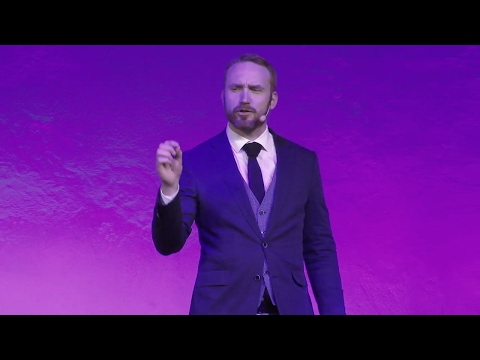
The magical science of storytelling | David JP Phillips | TEDxStockholm
Watch on YouTube- Rising dopamine sharpens attention, boosts motivational drive, and enhances the encoding and recall of memories, which improves focus and learning.@psychology· Social Dynamics
Rising dopamine sharpens attention, boosts motivational drive, and enhances the encoding and recall of memories, which improves focus and learning.
- Most people have innate storytelling ability, but self-doubt suppresses that tendency and prevents them from sharing stories they naturally know how to tell.@psychology· Social Dynamics
Most people have innate storytelling ability, but self-doubt suppresses that tendency and prevents them from sharing stories they naturally know how to tell.
- By choosing stories that reliably elicit specific hormones—laughter for endorphins, empathy for oxytocin, suspense for dopamine—you can intentionally shift listeners' hormonal states to produce desired behaviors.@psychology· Social Dynamics
By choosing stories that reliably elicit specific hormones—laughter for endorphins, empathy for oxytocin, suspense for dopamine—you can intentionally shift listeners' hormonal states to produce desired behaviors.
- High cortisol and adrenaline produce irritability, hyper-criticism, memory lapses and poor decisions, which reduces audience receptivity and effective communication.@psychology· Social Dynamics
High cortisol and adrenaline produce irritability, hyper-criticism, memory lapses and poor decisions, which reduces audience receptivity and effective communication.
- Because everyday workplace stress elevates cortisol and adrenaline, many audiences are less open and harder to persuade during meetings or presentations.@psychology· Social Dynamics
Because everyday workplace stress elevates cortisol and adrenaline, many audiences are less open and harder to persuade during meetings or presentations.
- Humor in storytelling releases endorphins, which lowers stress and tension and thereby improves creative thinking, relaxation, and focus.@psychology· Social Dynamics
Humor in storytelling releases endorphins, which lowers stress and tension and thereby improves creative thinking, relaxation, and focus.
- Human brains are tuned to learn from narratives because storytelling has transmitted culture and knowledge across generations, whereas slide-based formats like PowerPoint are recent tools our cognition hasn't evolved for.@psychology· Social Dynamics
Human brains are tuned to learn from narratives because storytelling has transmitted culture and knowledge across generations, whereas slide-based formats like PowerPoint are recent tools our cognition hasn't evolved for.
- Stories that elicit empathy prompt oxytocin release, which increases trust, generosity, and social bonding toward the storyteller or message.@psychology· Social Dynamics
Stories that elicit empathy prompt oxytocin release, which increases trust, generosity, and social bonding toward the storyteller or message.
5 more insights from this video in the app
Every card on Korva is an insight someone saved from a podcast or video they loved.