

- Disturbing mitochondria can change a cell’s gene expression independently of ATP because mitochondrial perturbations release signaling factors that alter transcription and growth even when energy synthesis is preserved.
Disturbing mitochondria can change a cell’s gene expression independently of ATP because mitochondrial perturbations release signaling factors that alter transcription and growth even when energy synthesis is preserved.
- A finite body energy budget forces trade-offs because when illness, injury, or chronic stress draws resources to one process, other systems and conscious experiences like attention and mood suffer.
A finite body energy budget forces trade-offs because when illness, injury, or chronic stress draws resources to one process, other systems and conscious experiences like attention and mood suffer.

- Social rules that push right-hand use can amplify biological bias because assigning tasks like eating to the right and hygiene to the left reduces contamination risk and stabilizes rightward practices across generations.
Social rules that push right-hand use can amplify biological bias because assigning tasks like eating to the right and hygiene to the left reduces contamination risk and stabilizes rightward practices across generations.
- Rare left-handers keep appearing because their scarcity gives them a tactical surprise advantage in one-on-one fights and sports, exploiting opponents who are trained mostly against right-sided moves.
Rare left-handers keep appearing because their scarcity gives them a tactical surprise advantage in one-on-one fights and sports, exploiting opponents who are trained mostly against right-sided moves.

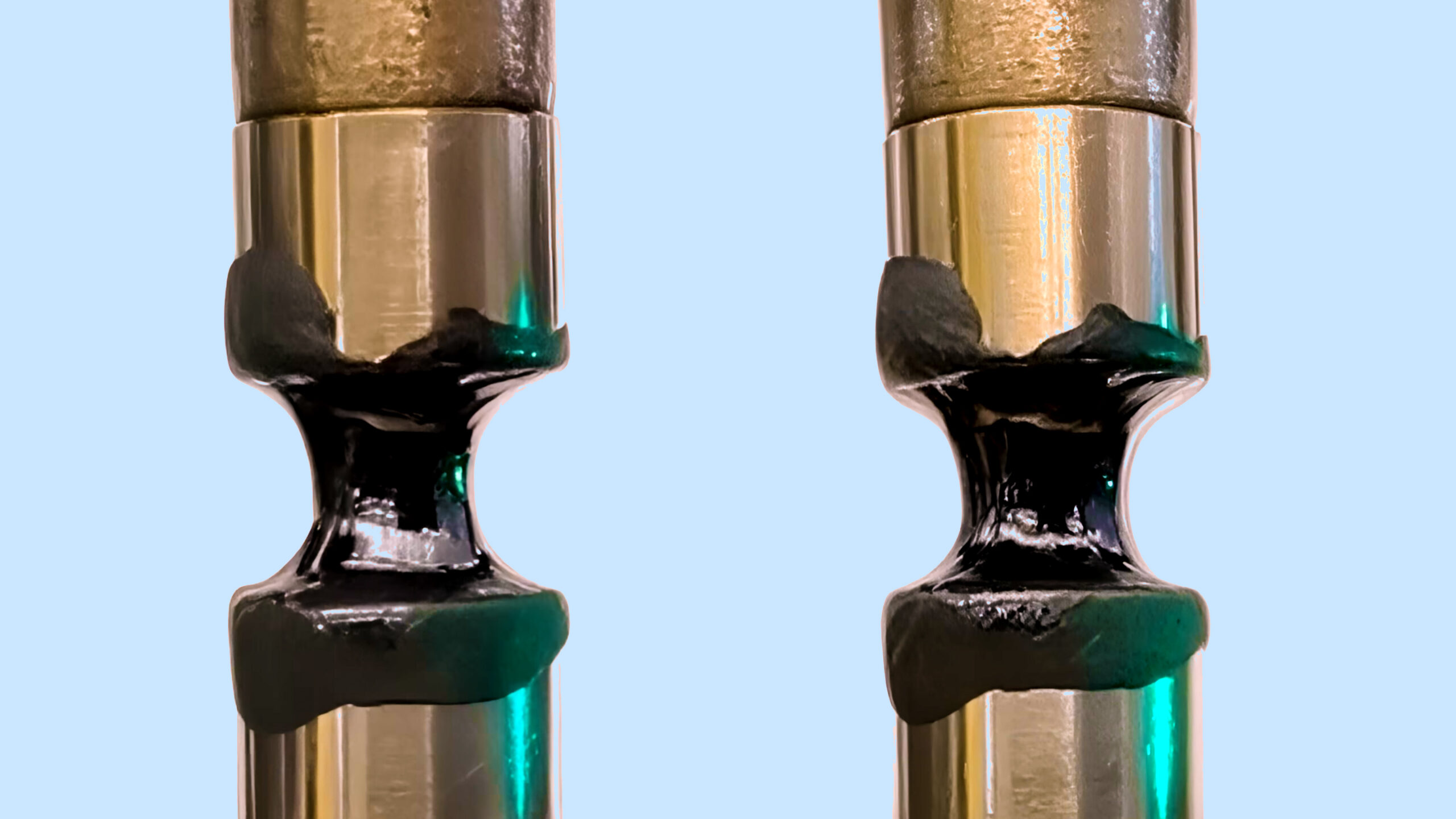
- If a pulling apparatus cannot reach high enough strain rates, the product viscosity times strain rate stays below the fracture threshold, so lower-viscosity liquids may never exhibit fracture under that experimental limit.
If a pulling apparatus cannot reach high enough strain rates, the product viscosity times strain rate stays below the fracture threshold, so lower-viscosity liquids may never exhibit fracture under that experimental limit.
- Without elasticity to absorb and slow energy release, a crack can accelerate until inertia and cohesion are the only limits, which lets fractures reach the maximum speed allowed by physics.
Without elasticity to absorb and slow energy release, a crack can accelerate until inertia and cohesion are the only limits, which lets fractures reach the maximum speed allowed by physics.
Keep the best of Quanta Magazine
A free account saves these cards to your Collection, and Korva resurfaces them so you actually remember.