Korva is a scroll of the internet’s best ideas.
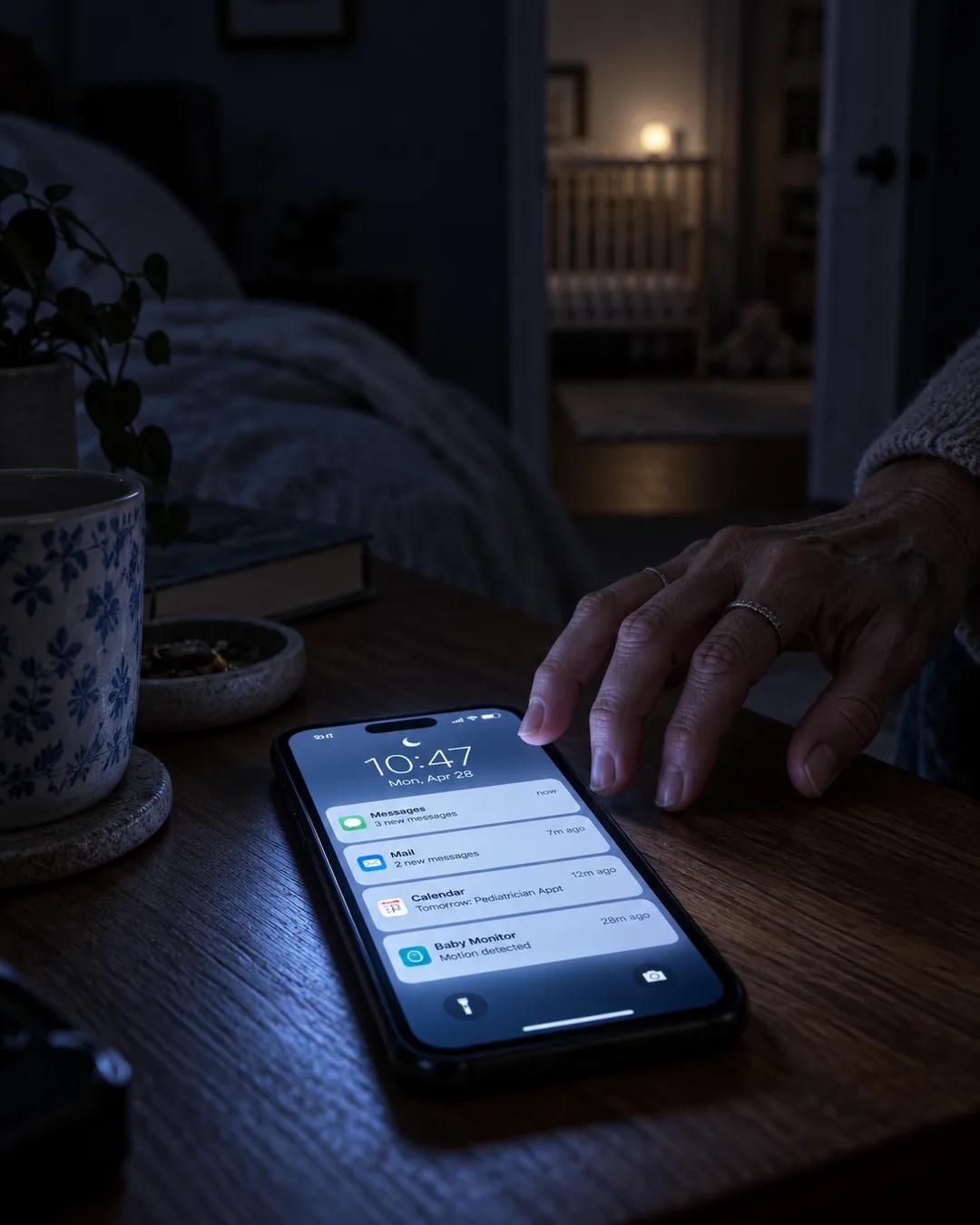
Alerts for every baby turn
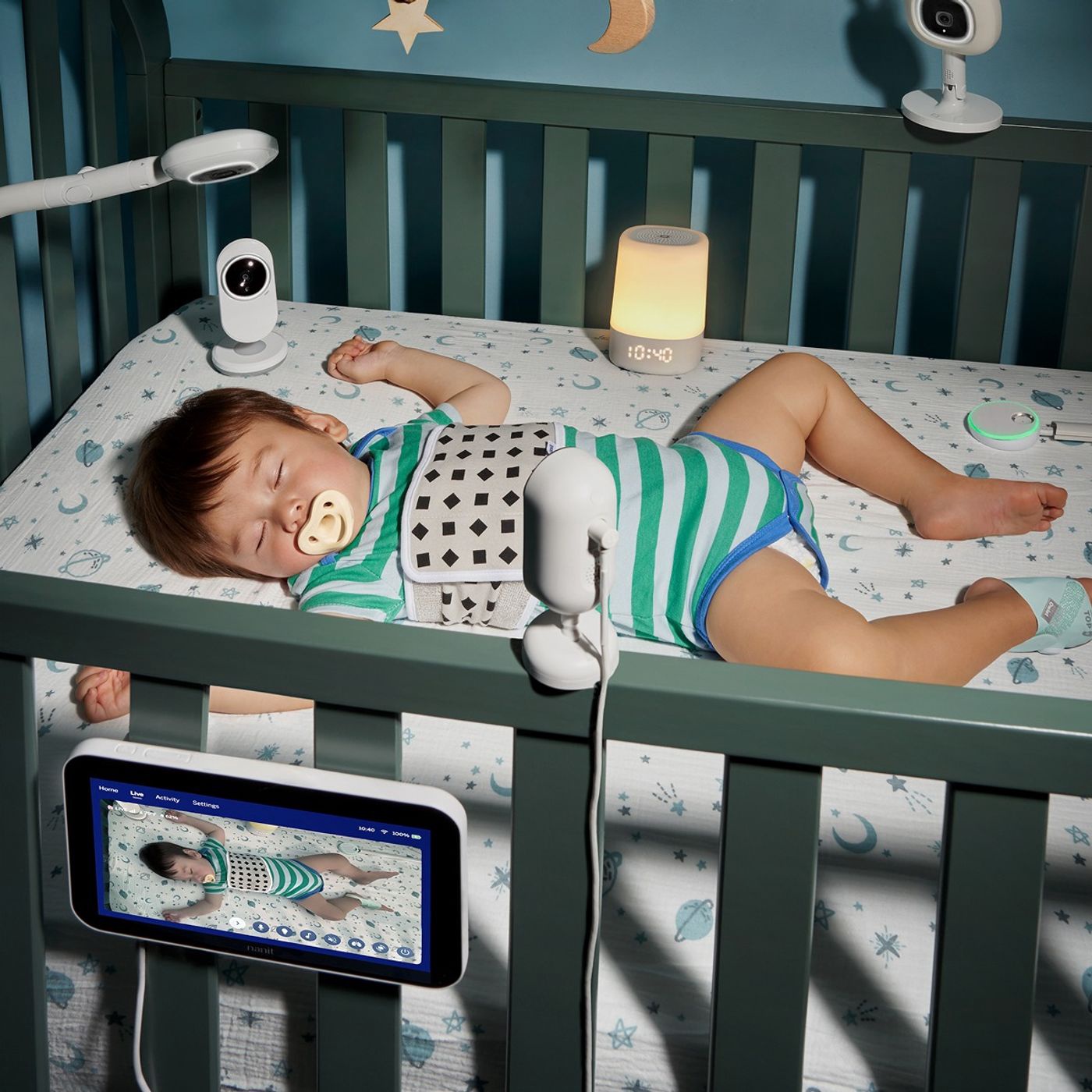
Before Madhu Maheshwari watched her granddaughter overnight for the first time, the baby's parents installed the Nanit monitor app on her phone. Messages began arriving that the baby had turned and that the baby had moved over there, each with a note of how long ago it happened. She had no idea why her phone kept buzzing, and soon she was staring at the monitor, convinced she had to keep watching it.
One night her phone battery died without her realizing it. When she woke up in the morning, she was sure something had happened to the baby and charged into the room. The baby was asleep, and she figures she would have heard anything without the monitor. It was a long way from how she put her own three children to sleep.
Why was the first baby monitor invented?
Zenith's Radio Nurse arrived in 1937, designed by the sculptor Isamu Noguchi. It came to market in the years after the 1932 Lindbergh kidnapping, when fear for children's safety was high. A transmitter sat in the nursery and a receiver in another room, carrying sound by radio. The receiver was housed in a Bakelite case that looked like a helmet.
Why do sleeping babies move so much?
Newborns spend roughly half of their sleep in an active, REM-like stage, during which they twitch, grimace, and shift. Their sleep cycles run about 50 to 60 minutes, much shorter than an adult's cycle of around 90 minutes. At the end of each cycle they pass through a light stage where turning over and brief stirring are common. The National Sleep Foundation lists a typical newborn's total sleep at 14 to 17 hours a day.
Why do constant alerts stop being useful?
Hospitals call it alarm fatigue: when monitors sound constantly, staff become desensitized and respond more slowly. The Joint Commission issued a Sentinel Event Alert on medical device alarm safety in 2013 after reports of harm linked to missed or ignored alarms. Studies in intensive care units have found that most alarms require no clinical action. A 2012 integrative review by Maria Cvach in Biomedical Instrumentation and Technology collected those findings.
More from The Daily