Korva is a scroll of the internet’s best ideas.
Data from zero to 100
The first-five-years black box
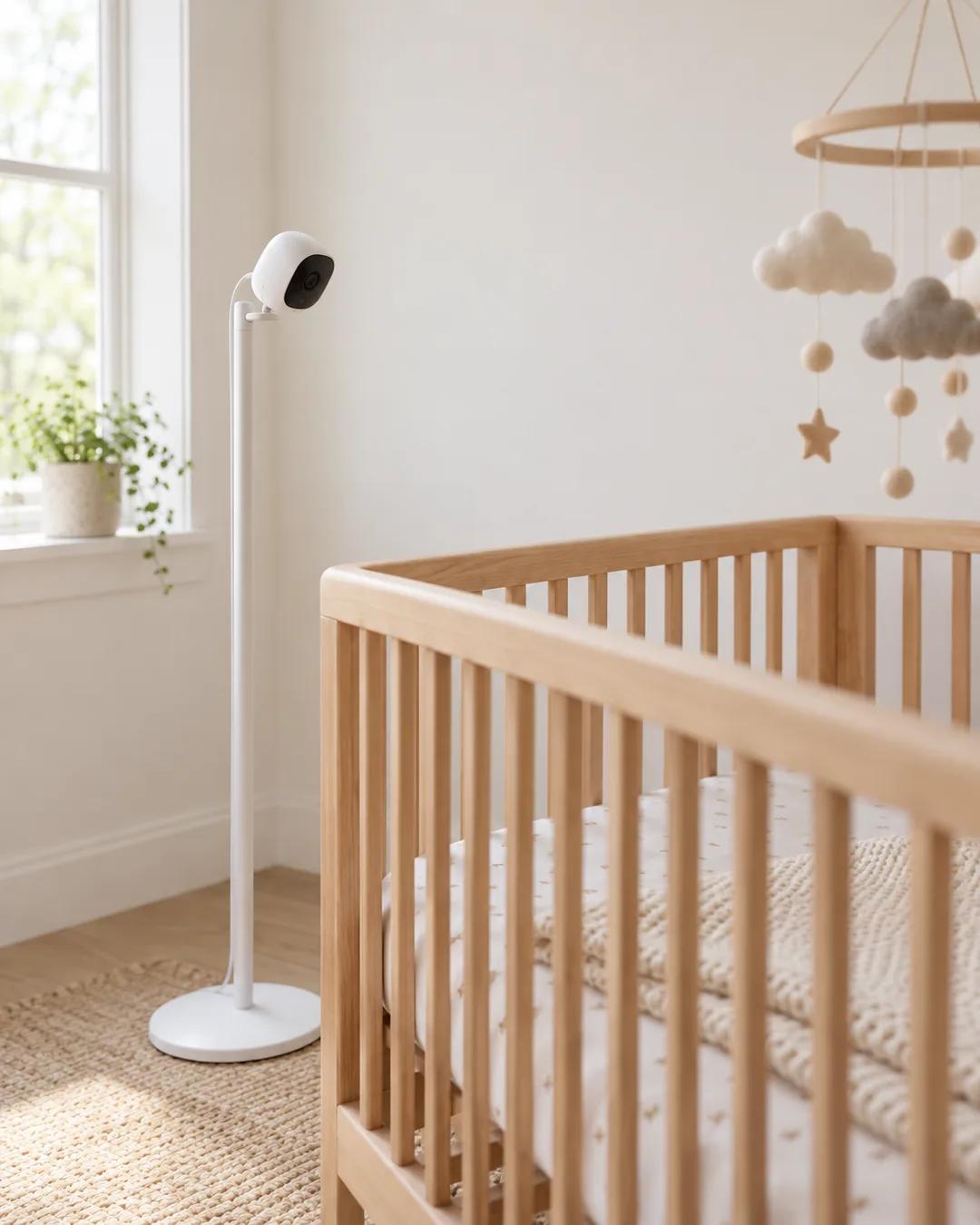
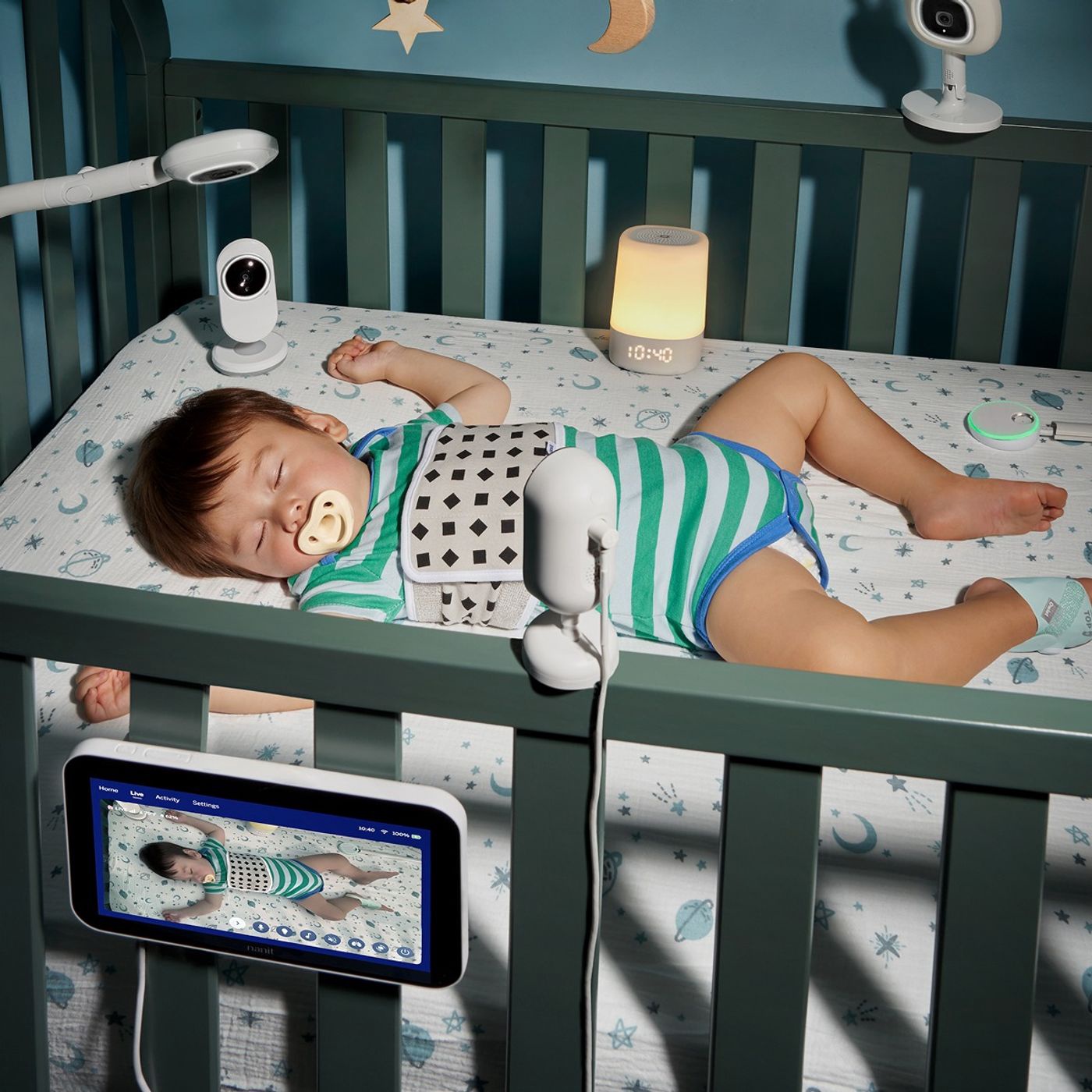
Anushka Salinas, the CEO of the baby monitor company Nanit, calls those first five years a black box. Nanit's camera already measures a baby's sleep every day, and the company wants to turn that record into answers for the questions parents ask several times a day: is this normal, and should my child be doing this?
Data on one child
Googling, Reddit, and chatbots return the CDC's ranges for an average child, such as the span in which kids typically crawl or walk. Nanit's camera holds data on one specific child, and the company has predicting a first crawl or first words on its horizon. For now the focus is sleep, with ambitions that reach into a child's overall health and development. Investors have followed: Nanit raised another $50 million last year.
Privacy and the long view
Salinas pictures parents keeping a Nanit in their kids' bedrooms until age 10, when children start wearing Apple Watches, and a world where everyone holds their own data from zero to 100. On privacy, Nanit does not sell the data or target ads against it, and it points to its subscription fee as the reason: the fee pays for the insights, so the baby is not the product.
Why do the first five years matter so much?
The Center on the Developing Child at Harvard reports that more than a million new neural connections form every second in the early years. Those connections are shaped by a child's experiences and relationships. By age five, the brain has reached roughly 90 percent of its adult size, according to the CDC. The pruning of unused connections continues for years afterward.
How are average milestone ranges set?
The World Health Organization's Motor Development Study, published in 2006, followed 816 healthy children from five countries and recorded when each first sat, crawled, and walked. The windows turned out to be wide. Healthy children walked alone anywhere between 8.2 and 17.6 months.
Why does a child's own trend matter?
Growth charts are population averages, so a child's own trajectory across several visits can reveal more than any single point. Pediatric growth monitoring already relies on this, with clinicians watching whether a child follows a steady percentile curve over time. Sleep research uses the same logic, comparing a person against their own baseline from night to night.
More from The Daily