Korva is a scroll of the internet’s best ideas.
You can't optimize a baby
The temperature study
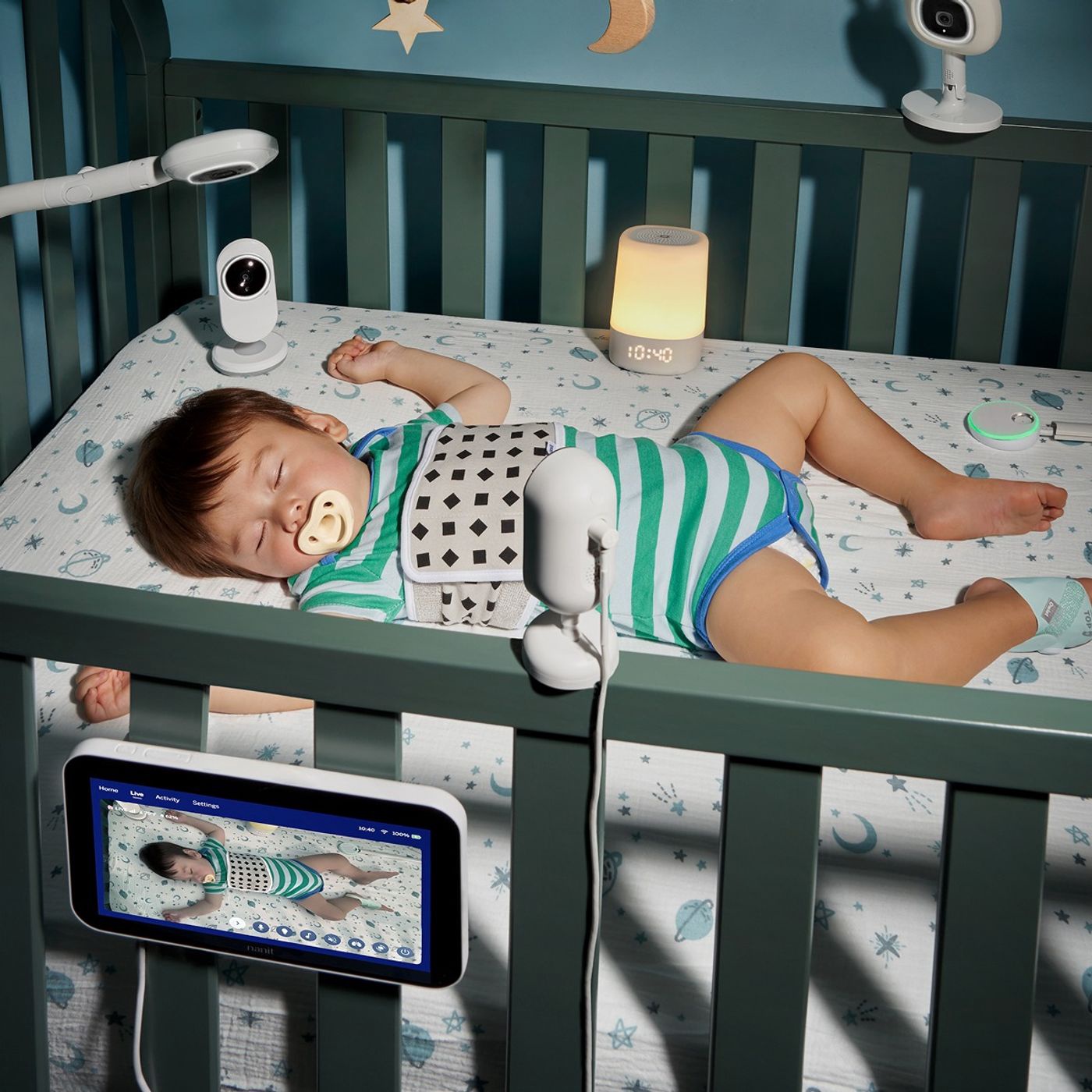
Nanit is running a study on the best room temperature for baby sleep. Its working belief is 68 to 72 degrees, the same range that shows up all over parenting advice.
A grandmother objects
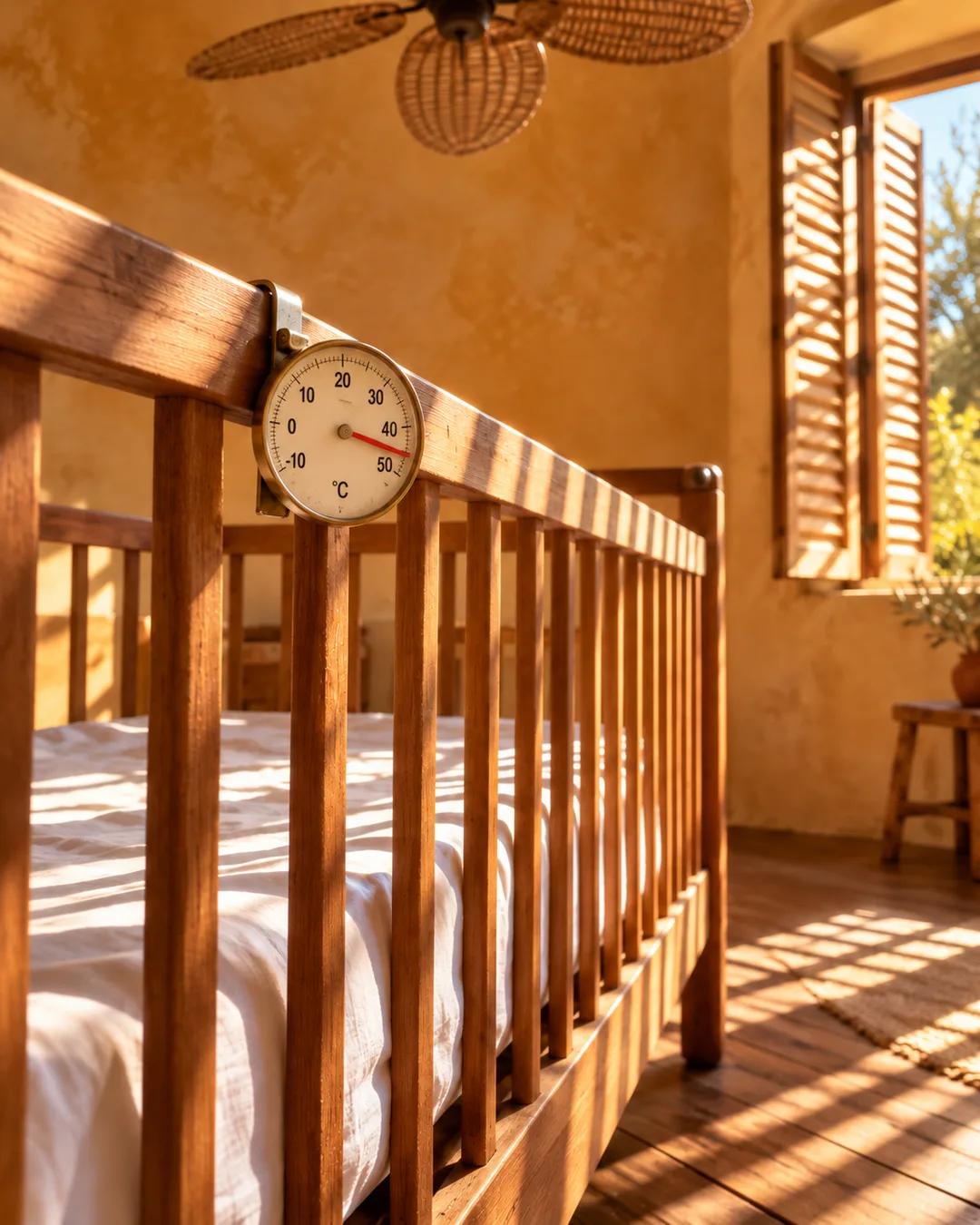
A grandmother who grew up in India finds that number absurd. She remembers heat above 100 degrees, sometimes 110 or 120, and babies sleeping just fine. She believes babies sleep in all kinds of environments and adjust to the household they are brought into, and that monitors condition parents to think a room must be a certain way. The same data feeds strict schedules, such as a bath routine at seven o'clock, and a baby has to follow instinct and cues, not a spreadsheet.
Why parents lean on it
The case for the technology starts with how parents live now. Many have little maternity or paternity leave and two working schedules, so getting a baby down at a set time is how the puzzle of a day in America in 2026 gets solved.
A pediatrician shares the worry about what gets handed over. Parents learn a baby's cues for tired and for needing something by watching closely, and an app or a chatbot can start doing that job.
How did strict baby schedules become advice?
Luther Emmett Holt's 1894 manual The Care and Feeding of Children told American parents to feed and put infants to sleep by the clock, and it stayed in print for decades. Benjamin Spock's 1946 book on baby and child care opened by telling mothers they know more than they think. Spock's book went on to sell tens of millions of copies.
Why do temperature guidelines differ by country?
The Lullaby Trust in the United Kingdom advises a nursery temperature of 16 to 20 degrees Celsius, which is about 61 to 68 degrees Fahrenheit. Much American guidance cites 68 to 72 degrees Fahrenheit, the range in the story. Both ranges aim to avoid an overheated room, which researchers have associated with sudden infant death in observational studies.
How do sleep habits vary across cultures?
A 2010 study in Sleep Medicine by Jodi Mindell and colleagues surveyed the parents of more than 29,000 infants and toddlers in 17 countries. Children in predominantly Asian countries went to bed later and slept less overall than children in predominantly Caucasian countries. Bed-sharing and room-sharing were also far more common in the Asian samples.
More from The Daily