Korva is a scroll of the internet’s best ideas.
Britain paid for tea with opium

Silver for tea
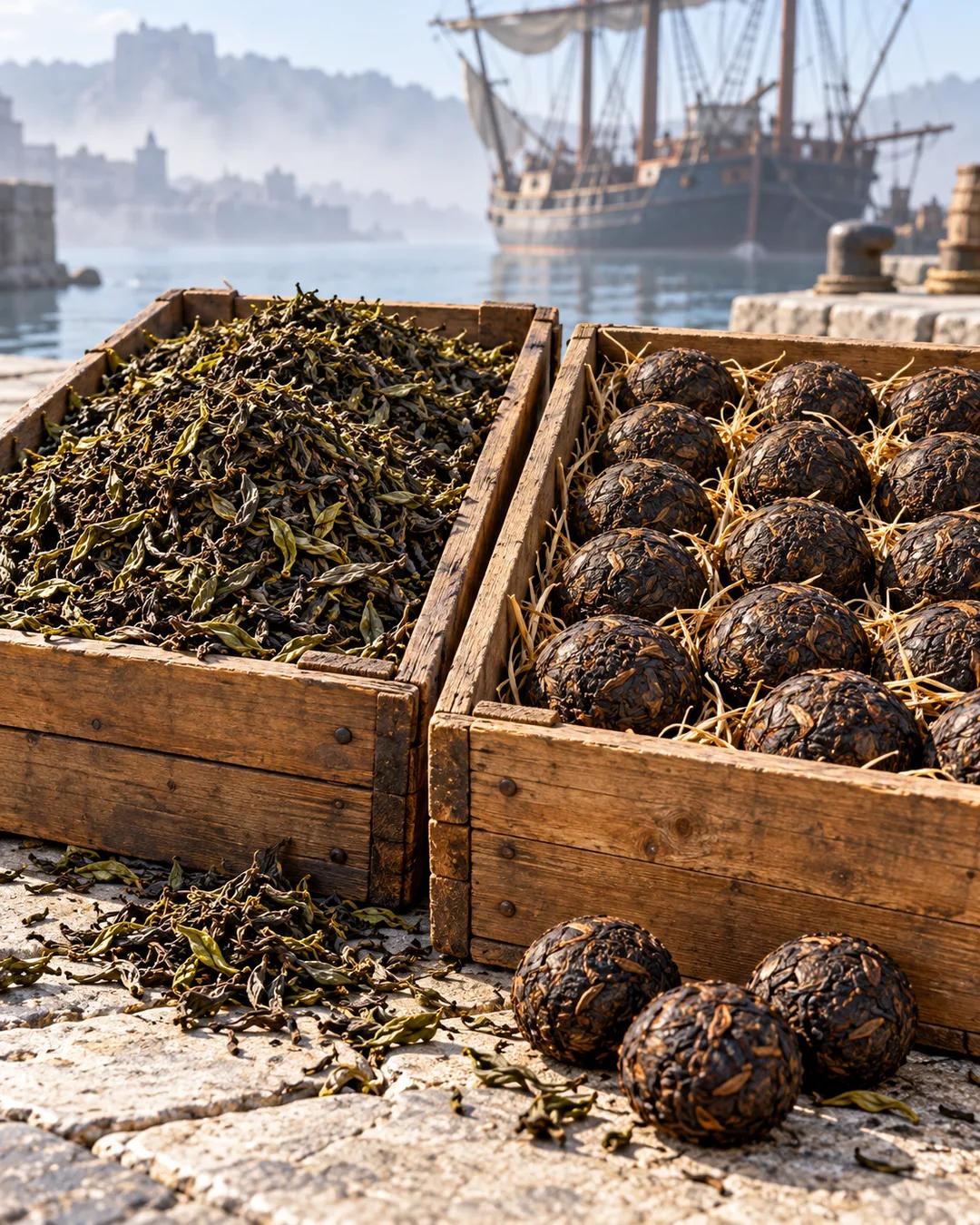
China held a virtual monopoly on the world's tea trees, which made tea one of three essential Chinese export goods, along with porcelain and silk. Britain, growing into the new dominant world power, had paid for all of its Chinese tea with silver.
Opium takes hold
Opium changed the deal. People in China became addicted to the drug, and it turned into a public health problem within the country.
The First Opium War
In 1839, a Chinese official ordered his men to destroy massive British shipments of opium as a statement against Britain's influence over China. That act triggered the First Opium War between the two nations.
Fighting raged up and down the Chinese coast until 1842, when the defeated Qing Dynasty ceded the port of Hong Kong to the British and resumed trading on unfavorable terms. The war weakened China's global standing for over a century.
Why did Britain run short of silver for tea?
Qing officials restricted European merchants to the single port of Canton and wanted payment in silver. Chinese buyers had little interest in British wool and manufactured goods, so demand for tea in Britain kept pulling silver eastward. Britain's traders went looking for something Chinese buyers would take instead. The Canton system began in 1757 and stayed in place until the First Opium War ended it.
How did opium reach Chinese ports?
The British East India Company grew opium poppies in Bengal and auctioned the crop in Calcutta. Private merchants bought it and shipped it to the Chinese coast, where Chinese smugglers carried it ashore. The company kept one step removed from the sales because the Qing court had banned the drug. Chinese imperial edicts against opium go back to 1729.
Why did Hong Kong become British?
The Treaty of Nanking in 1842 gave Britain Hong Kong Island and opened five Chinese ports to British trade. Britain wanted a harbor under its own flag, since its merchants had been operating at the mercy of Chinese authorities in Canton. Hong Kong's deep natural harbor suited warships and merchant vessels alike. Britain handed Hong Kong back to China in 1997.
Why were British forces so effective?
Britain brought iron steam-powered gunboats such as the Nemesis, which could move against wind and tide and travel up shallow rivers. Qing forces relied largely on older cannon and wooden junks. British ships took coastal cities and advanced up the Yangtze River toward Nanjing. The treaty that followed was the first of what Chinese historians call the unequal treaties.
More from TED-Ed