Korva is a scroll of the internet’s best ideas.
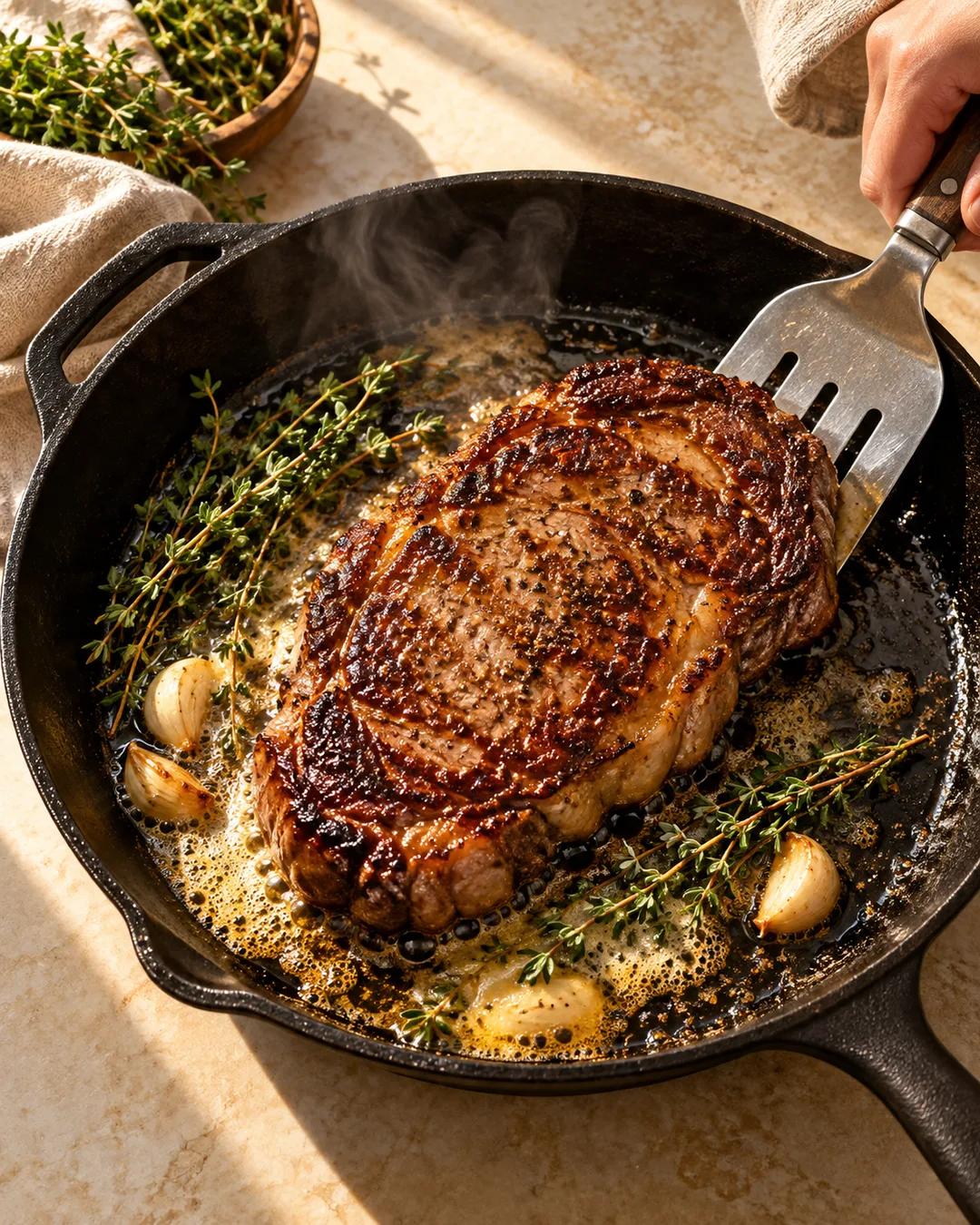
Browning creates hundreds of flavors
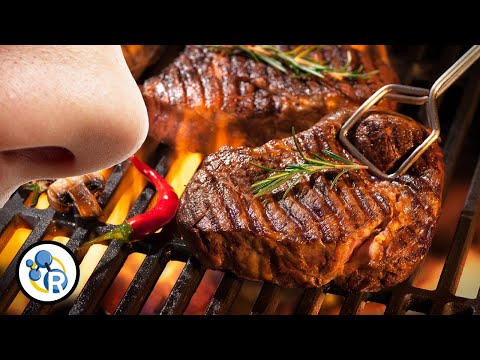
What the reaction is
The Maillard reaction is a cascade of many chemical reactions, all happening at once while food cooks. The sugars come from carbohydrate-rich foods like bread or potatoes. The amino acids, the building blocks of proteins, come from dairy, meat, and nuts.
How it unfolds
Picture a steak, or a bean-based patty, in a hot pan. Its amino acids react with sugary compounds and form a batch of intermediate compounds. The structures of those products get rearranged into other compounds, and the intermediates eventually turn into a whole range of flavor and aroma compounds. Chemists are still working out all the details, a century after French chemist Louis-Camille Maillard first reported the transformation.
Flavors it makes
Different compounds carry different tastes. Alkylpyrazines give cocoa its flavor and coffee its nutty, roasted note. Caramel-like furanones are found in bread and toast, and meaty thiophenes turn up in meat and in garlic. The color of beer, the smell of popcorn, and the taste of cookies all depend on the same reaction.
Why does browning need so much heat?
Maillard reactions can proceed slowly at room temperature, but their rate climbs steeply as temperature rises. That is why a hot pan browns a steak in minutes. Water also holds a food's surface near 212 degrees Fahrenheit until it evaporates, so a wet surface cannot brown until it dries. Dry heat lets the surface climb well past the boiling point of water.
Why does boiled meat taste milder than seared?
Boiling keeps meat at about 212 degrees Fahrenheit, because water cannot get hotter than that at normal pressure. At that temperature the surface stays wet and the browning reactions run slowly. Searing, roasting, and grilling push the dry surface far above that limit. Stews often start with a seared surface for this reason.
How did anyone figure out this reaction?
Louis-Camille Maillard reported in 1912 that heating sugars with amino acids produced brown pigments. He was studying how proteins are built from amino acids at the time. In 1953, the American chemist John Hodge published an outline of the reaction's main stages that food scientists still build on. Researchers have kept finding new products ever since.
Why do different foods brown into different flavors?
The flavor depends on which amino acids and sugars take part. Cysteine, an amino acid containing sulfur, leads to meaty aromas. Proline is linked to bready, cracker-like notes. Each food carries its own mix of amino acids and sugars, so each one browns into its own set of compounds.
More from Reactions