Korva is a scroll of the internet’s best ideas.

Buried on Fourth of July weekend
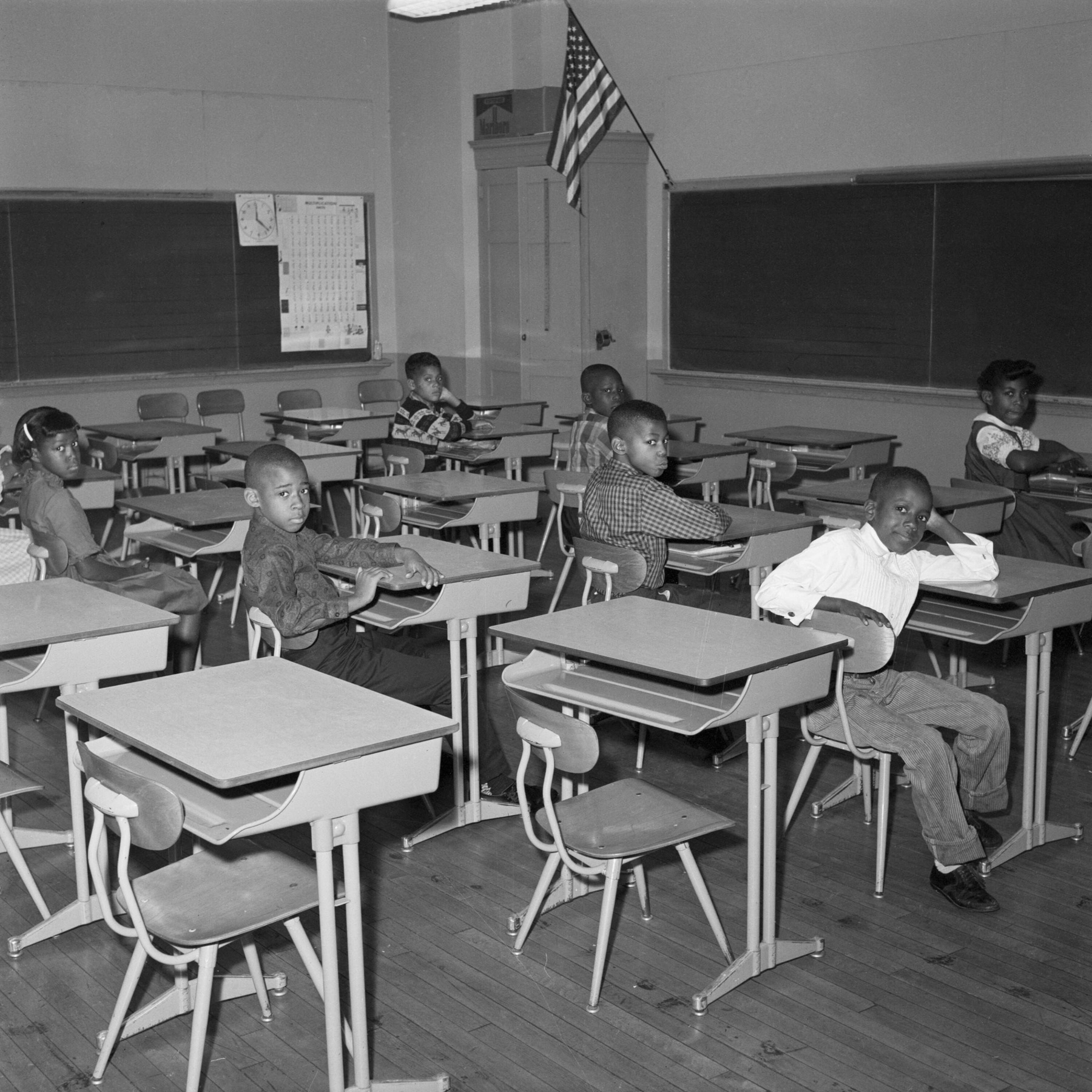
What they expected
The Johnson administration expected the data to show that Black children attended separate, badly funded schools, and that this was why they performed poorly on tests. That finding would have cleared the way to spend more than a billion dollars on school funding and to withhold money from systems that discriminated.
What it found
James Coleman's report, finished in 1966, ran past 700 pages and was less a report than a data dump. Schools were still segregated in both the North and the South, and Black children were performing several grades behind their white peers. The two strongest predictors of school performance were a family's socioeconomic background and educational aspirations, and a mix of incomes in the classroom, where poor children sat alongside classmates from affluent homes who treated college as a given. Student learning did not simply improve when resources increased.
The quiet release
The survey also found resignation, even despair, among low-income students of color, who did not feel that working hard or doing well gave them much power over their own fate. The administration had been making the case for equalizing funding to high-poverty schools, and the findings cut against it, so it tried to release the report quietly over the Fourth of July weekend.
Reporters noticed right away. A short New York Times article ran under a headline calling Black education inferior and described the findings incorrectly, and television news picked up the story too.
Why did schools matter so little in the data?
The report itself concluded that schools bring little influence to bear on a child's achievement that is independent of the child's background and general social context. Its analysis showed that the spread in test scores among students inside a single school was far larger than the spread between average scores at different schools. The facilities and resources of Black and white schools also turned out to be closer to each other than the administration had expected.
How did other scholars check the findings?
In the late 1960s a Harvard faculty seminar led by statistician Frederick Mosteller and Daniel Patrick Moynihan went back through Coleman's data with new analyses. Their conclusion was that the report's main results held up under reexamination. The seminar's papers were published in 1972 as the volume On Equality of Educational Opportunity.
How did the report change education research?
Before 1966, school quality was usually judged by inputs such as spending, buildings, and library holdings. Coleman's survey set those inputs beside students' test scores and asked how much of the difference in results they explained. That approach led economists to build what became known as education production function studies, which estimate how school inputs convert into test scores. Economist Eric Hanushek became one of the best known researchers in that tradition.
More from Throughline