Korva is a scroll of the internet’s best ideas.
Burying three destroyed legions

The ambush
The ambush came during the reign of Augustus. Under their chieftain Arminius, Germanic tribes attacked the legions as they moved along a narrow path, striking from the forest in torrential rain with their escape blocked. It was one of the worst defeats the Romans ever suffered, and Augustus never lived it down.
Burying the dead
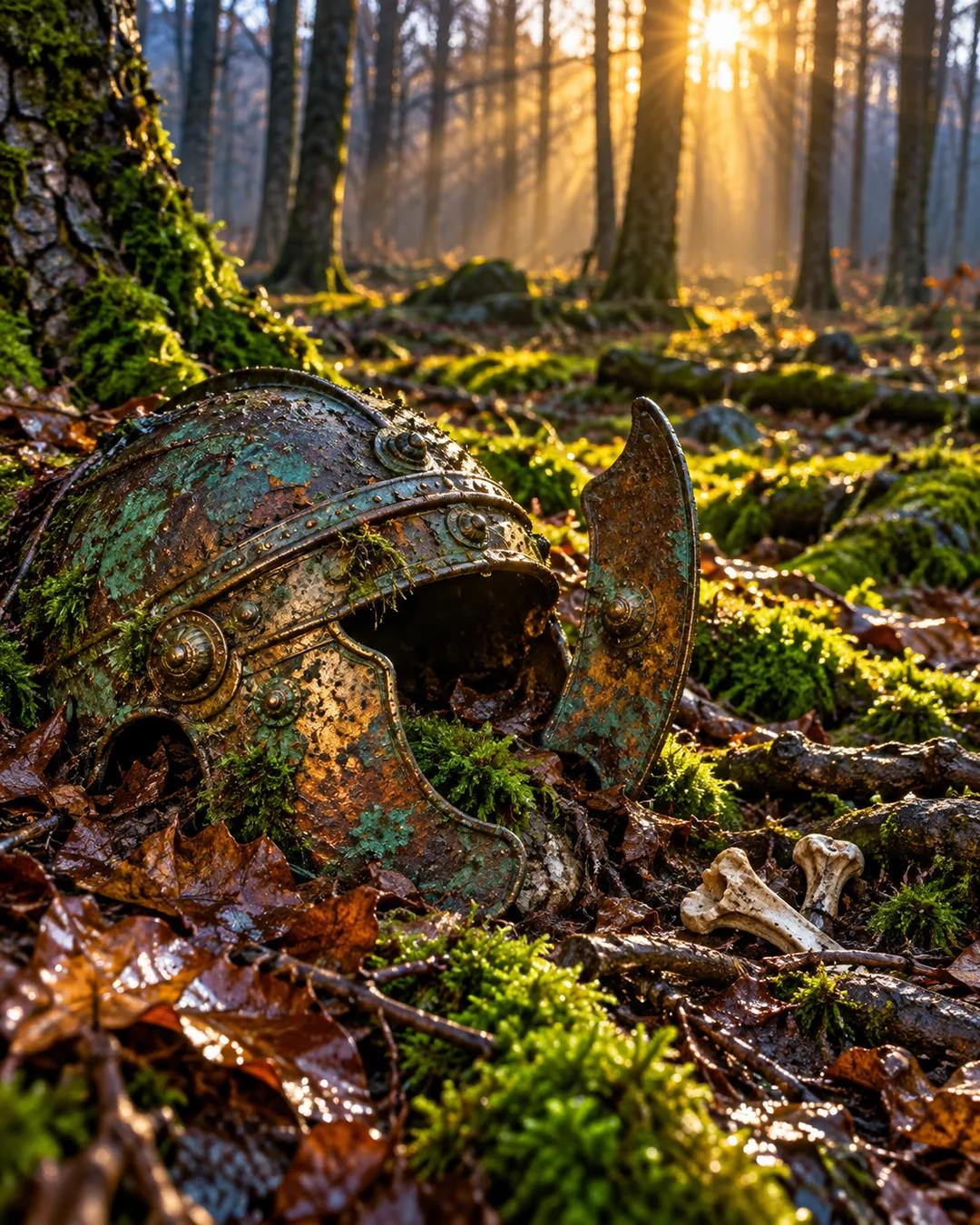
In 15 CE, four legions under Germanicus, the emperor Tiberius's nephew, reach a clearing on the outskirts of that forest. Picture a legionary named Servius Felix, from Italia, one of the few survivors of the ambush. He still has nightmares of his comrades lying where they fell.
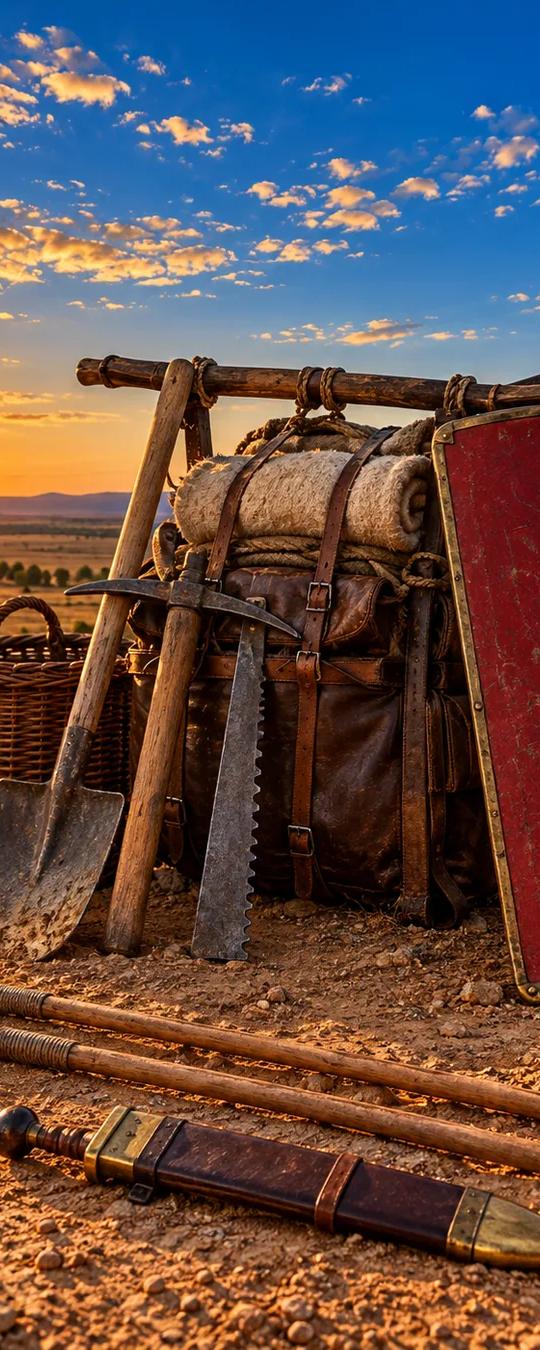
Before reaching the clearing, the men have spent more time building causeways and bridges across the marshes beyond the empire's road system than fighting. Now they bury the bones. Servius handles them and wonders whether any belonged to someone he knew. Several times he wants to weep aloud, and each time he pushes on with the task.
All he craves is a small farm and the girl he intends to marry, if the gods should spare his life for 17 more years.
Why were legions so exposed on a forest path?
Roman legions were trained to fight in tight formations on open ground, where shields and javelins worked together. On a march through woodland, the column stretched out along a narrow track, and the men had no room to form a line. The Roman historian Cassius Dio wrote that the attackers struck while the army was strung out, and that heavy rain and wind made it worse. He also reported that the column was slowed by wagons and a crowd of camp followers.
Why did Augustus take the loss so hard?
The biographer Suetonius wrote that Augustus would sometimes beat his head against a door and cry out for Varus to give him back his legions. The three legions lost were the 17th, 18th, and 19th, and Rome never raised legions under those numbers again. Suetonius also reported that Augustus marked the anniversary of the defeat each year as a day of mourning.
How was the battlefield eventually found?
Most historians place the ambush at Kalkriese, a hill near Osnabrück in Germany. In 1987, a British officer and amateur metal detectorist named Tony Clunn found Roman silver coins there, which led to excavations. Archaeologists later uncovered a turf and earth wall along the hillside and thousands of Roman finds, including fragments of armor. The latest coins from the site date to around the time of the battle.
Why did armies need causeways beyond the roads?
Roman roads ended at the frontier, and north of the Rhine the ground was wet and forested. Engineers laid timber causeways over the marshes so that wagons and heavy infantry could cross. Tacitus mentions a causeway known as the long bridges, built by an earlier commander, Lucius Domitius Ahenobarbus, across marshland between the Ems and the Rhine.
More from TED-Ed