Korva is a scroll of the internet’s best ideas.
Centralize only pay and capital
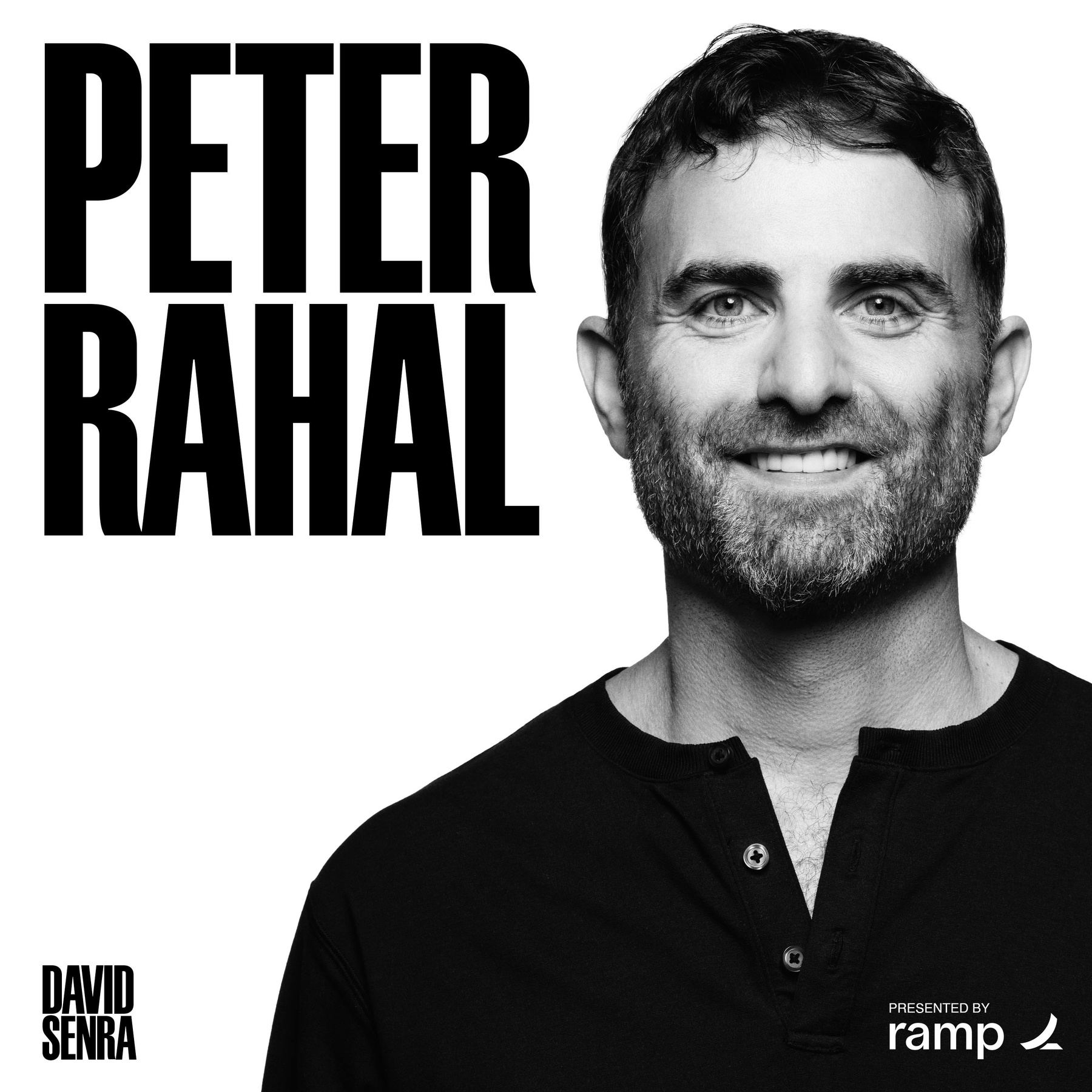
Singleton led one of the most successful conglomerates of all time, and many of the ideas credited to Buffett and Munger were things they learned from him. Each business ran its own operations. The two functions kept at the center were pay and the decision about where cash goes.
The arrangement was simple: a unit that makes cash gets left alone, sends the cash up, and the center decides where to allocate it. Performance equals freedom. A company run this way never turned into the big, fat, ugly bureaucracy that founders dread.
What made Singleton's Teledyne so unusual?
Henry Singleton co-founded Teledyne in 1960 and ran it as chief executive into the 1980s. He bought back shares heavily in the 1970s and 1980s when he considered the stock cheap, which was unusual for the time. William Thorndike's 2012 book The Outsiders reports that Teledyne's stock returned about 20 percent a year over his tenure, against about 8 percent for the S&P 500.
Why do conglomerates centralize capital allocation?
Economist Oliver Williamson described the multidivisional form in his 1975 book Markets and Hierarchies, where operating divisions run themselves and headquarters decides how capital moves among them. The logic is that headquarters sees returns across all divisions, while a manager sees only their own. The structure originated at DuPont and General Motors in the 1920s.
More from David Senra