Korva is a scroll of the internet’s best ideas.
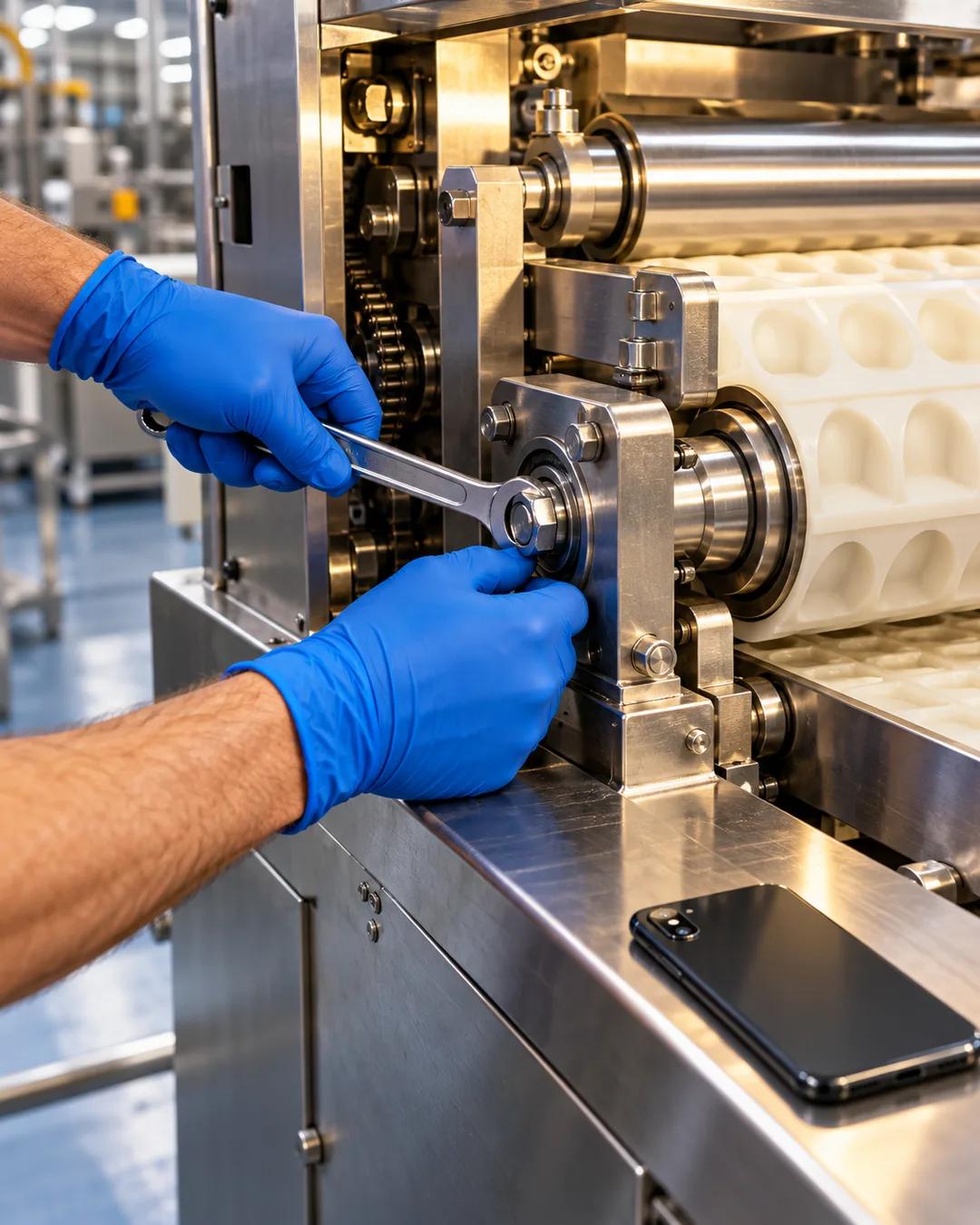
That standard shaped how Peter Rahal chose his next company. His false starts after selling RXBAR, in areas like recycling garbage and synthetic biology, all left him dependent on something else or without time to learn the product well enough to change it. In food he knew exactly what to do, having been in the food business since he was twelve.
He applies the same test to business unit leaders. They are either former founders or product leaders, and a leader who would have to pick up the phone to fix the product is the wrong person for the job. As an investor, he used the same test to judge the companies he looked at.
Why do some leaders go see the problem?
Toyota calls the practice genchi genbutsu, roughly 'go and see'. Toyota engineer Taiichi Ohno was known for drawing a chalk circle on the factory floor and making managers stand in it to watch a process. The idea is that understanding a product or process comes from direct observation rather than reports. The practice is part of the Toyota Production System that Ohno helped develop.
How does expertise speed up decisions?
In a 1973 study, psychologists William Chase and Herbert Simon showed chess masters real game positions for a few seconds and found they recalled them far better than novices did. When the pieces were placed at random, the masters' advantage disappeared. They concluded that experts store knowledge as large patterns rather than individual items.
More from David Senra