Korva is a scroll of the internet’s best ideas.
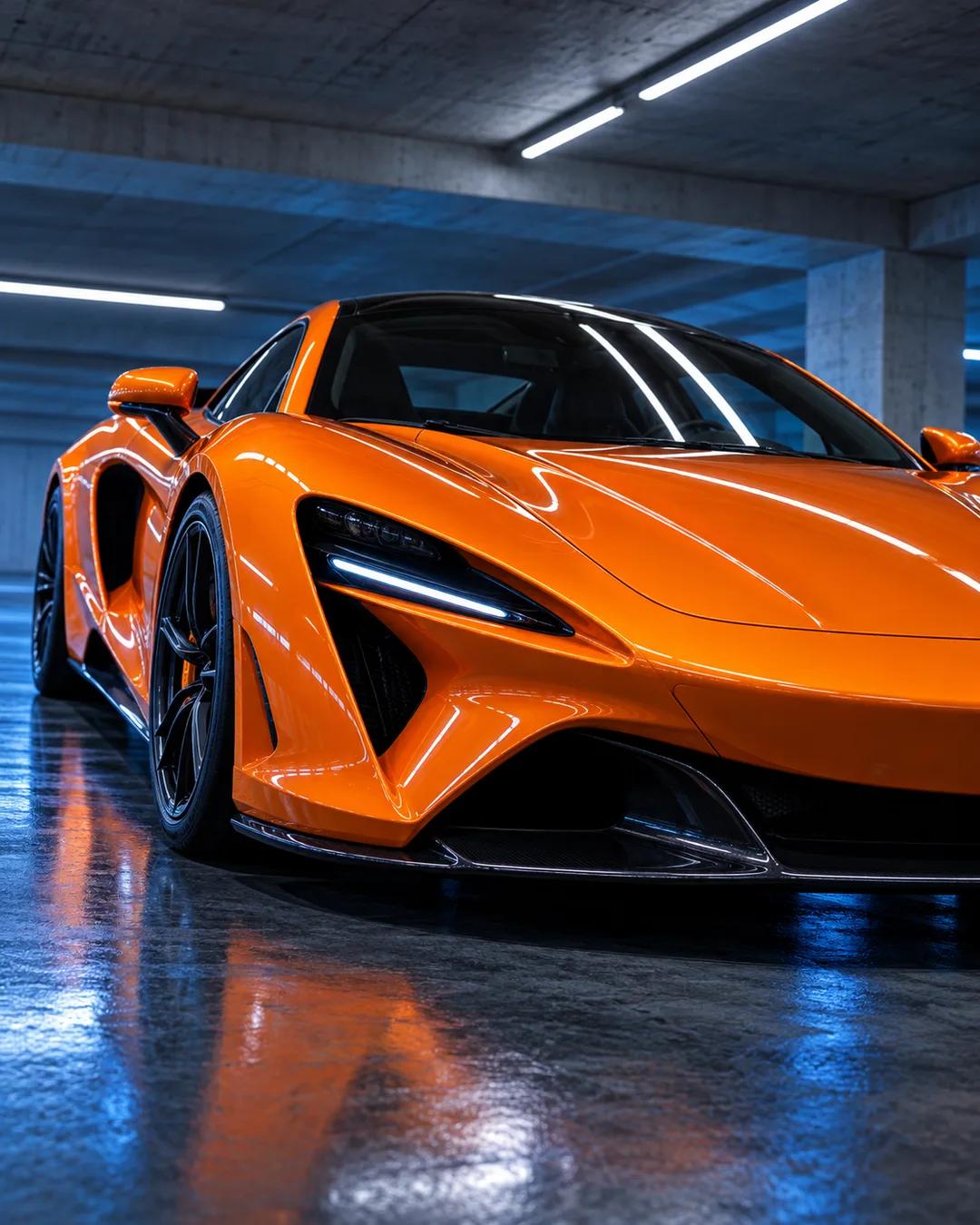
Good ideas sound stupid first

Why copying fails
Before Omarchy, an earlier version of a Linux setup was built on Ubuntu and tweaked to look like Windows or a Mac. The assumption was that the closer it looked to those, the more people would come, and they did not. Appeals to free software ideals reach maybe 0.001 percent of the population, while most people just want the best thing.
The opposite approach
The next version went the opposite way. It works like no other computer, runs entirely from the keyboard, and shows nothing on screen to click. A cheat sheet of 15 key bindings is the syllabus, and finishing the first lesson is enough to start using it. That version took off.
Ugly at first
Car design follows the pattern. The McLaren 720S debuted with sunken-in headlights that looked like the ugliest car at its level to the person who first saw it, and it is now one of that person's favorite designs. A high tolerance for being told the work is ugly or will never work in the real world matters, as long as a few people like what you're doing.
Why did the McLaren 720S headlights look odd?
The McLaren 720S, introduced in 2017, set its headlights deep inside hollow sockets, and the shape came from aerodynamics. Air flows through channels in those sockets toward the radiators and over the body. Designers at McLaren have described the design as driven by airflow first. The car is a mid-engine supercar built in Woking, England.
Why do radical designs get rejected first?
Psychologist Robert Zajonc published research in 1968 showing that people tend to like things more after repeated exposure, even without realizing it. A new shape is unfamiliar, so it scores low before it has been seen enough times. Industrial designer Raymond Loewy described the target as most advanced yet acceptable, a balance between novelty and familiarity. Designs that sit too far ahead of what people recognize often look wrong on first sight.
Why does free software mean free as in speech?
Richard Stallman launched the GNU Project in 1983 and founded the Free Software Foundation in 1985. His definition of free software centers on four freedoms: to run, study, change, and share a program. He summed it up as free as in free speech, not free as in free beer. That wording separates the freedom to modify software from its price.
More from David Senra