Korva is a scroll of the internet’s best ideas.

Investors see every crux moment
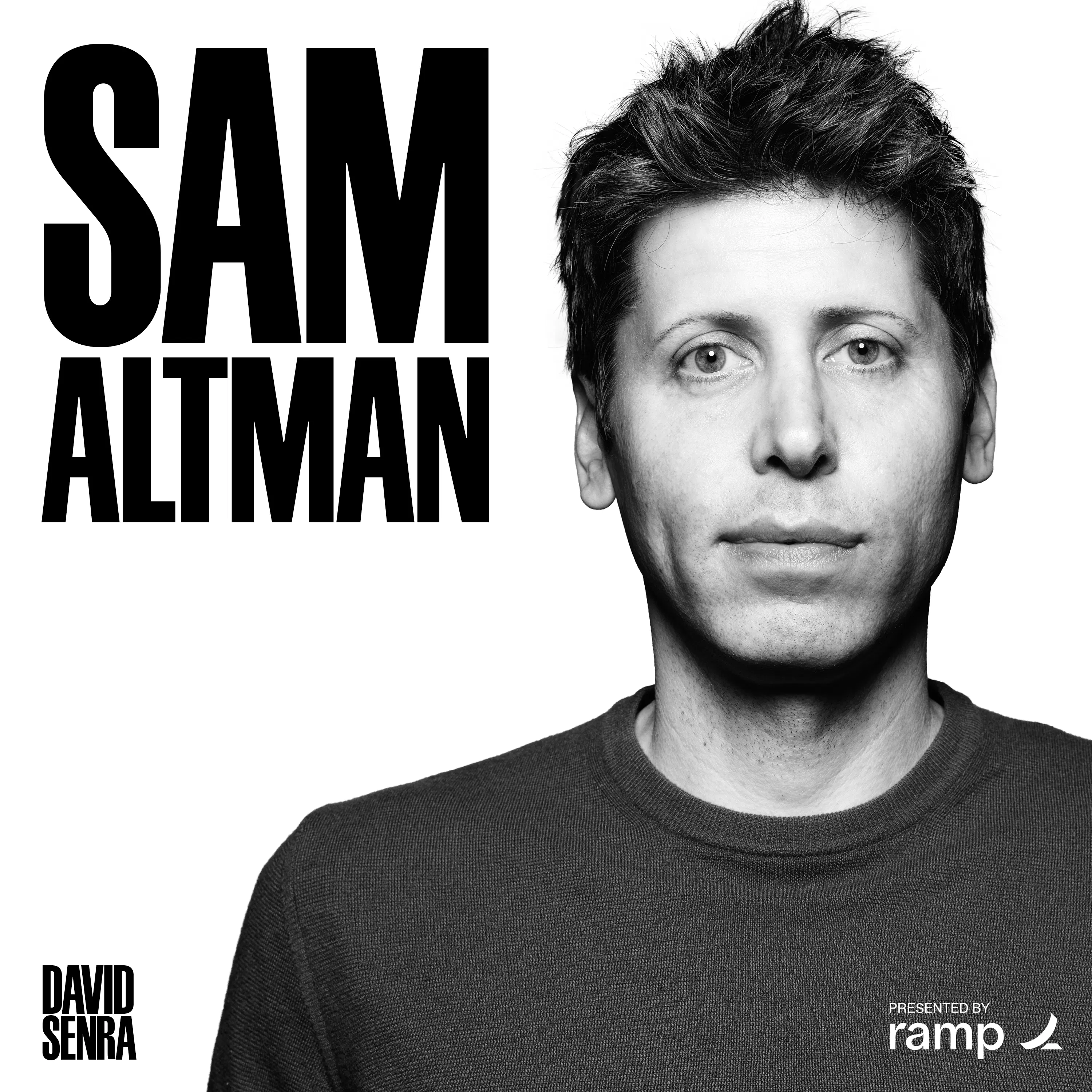
A founder facing a high-stakes strategy shift, or firing an executive in a really messy way, has only the limited experience of the last five or ten years to draw on. An investor sees those crux moments all day long. The investor does not get the operating practice of running a company day in and day out, but gets a wealth of data.
That data plays in the head at decision time: this is what happened when another company had a similar thing, this founder made this mistake, and that founder got it really right.
Going from investor to founder is the opposite of the normal path, where a founder semi-retires into investing. It is rare, and running a company is much, much harder than investing.
Why does exposure to many cases sharpen judgment?
Psychologist Gary Klein studied fireground commanders in the 1980s and found that experts rarely weigh options one by one. Instead they recognize a situation as similar to ones they have seen and act on what worked before. He called this the recognition-primed decision model. The more varied cases a person has stored, the more situations they can match quickly.
How do venture investors see so many companies?
A venture firm backs dozens of companies at a time, and its partners often sit on the boards of several of them. Each board seat gives a view into decisions such as hiring, pricing, fundraising, and firing. Y Combinator has funded thousands of startups since 2005, and its partners advise many of them in each batch. A single investor can therefore watch the same kinds of choices play out across many different founders.
More from David Senra