Korva is a scroll of the internet’s best ideas.

Late on rent to keep borrowing
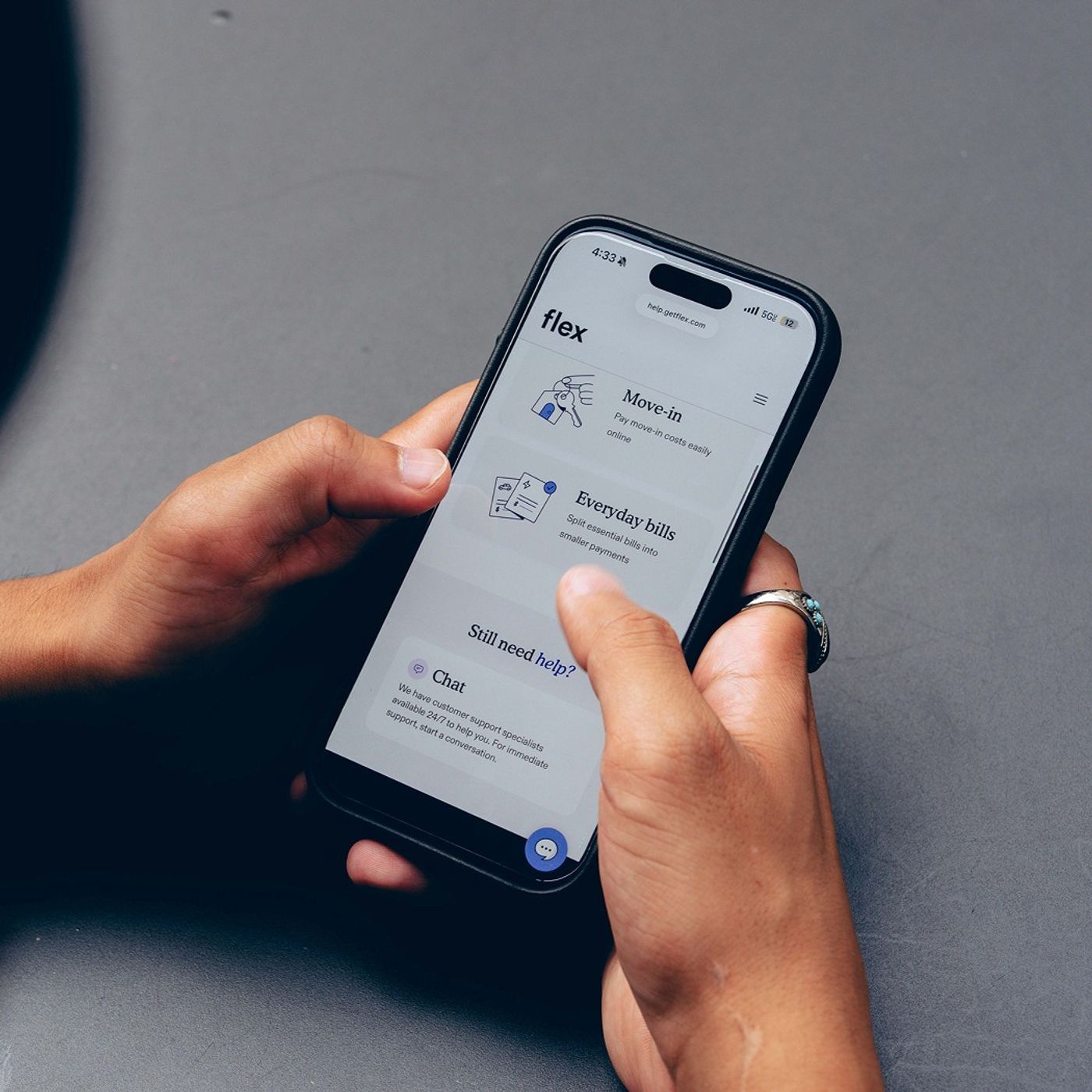
From splurges to emergencies
Ashley Reed works as an instructional aide in Baltimore City Schools and as a radiology assistant at a hospital, a job and a half to make ends meet. She started with buy now, pay later loans for small online splurges, an outfit here and there. Then her mother had a brain aneurysm.
The emergency came with hotel rooms, travel, and ambulance services to get her mother transferred back, and Reed maxed out her credit cards covering them. The pay later apps became the way she paid everyday bills, and within a few months they had swallowed her budget.
Which bill waits
Her income swings with the school calendar. The teaching job pays for ten months of the year, so summers are the tightest, and she has to juggle which bills come first. Her landlord is understanding, so rent is the one she lets slide. The loan apps freeze a credit line the moment a payment is late, and she needs that line open next month to borrow again for groceries and basics.
She earns a modest five-figure income while the cost of living keeps climbing, and she lives in survival mode. Her one caution to anyone considering these apps is not to become dependent on them the way she has.
Why do lenders freeze credit after one late payment?
Several pay later apps approve each purchase on its own rather than granting one fixed limit for good. Before approving, the app can check the borrower's repayment record with that app, including whether the last loan was paid on time. A late payment is the clearest signal the lender has about whether the next loan will be repaid. Approving each purchase separately also lets the lender change its answer from one week to the next.
Why do school jobs leave summers so tight?
Many school districts pay teachers and other staff by the school year, with no wages for the summer break. Some districts let employees spread their pay across twelve months, so a paycheck keeps arriving in July. Support staff such as aides are often paid hourly, which ties their income to the days schools are open. Where that is the case, income drops in summer while rent and groceries cost the same.
How does uneven income change borrowing?
The JPMorgan Chase Institute's research on household finances found that many families see income vary substantially from month to month. Spending turned out to be much smoother than income, so something has to fill the gaps. Households with savings draw them down, and households without savings borrow. The institute built these findings from anonymized bank account data.
More from The Daily