Korva is a scroll of the internet’s best ideas.
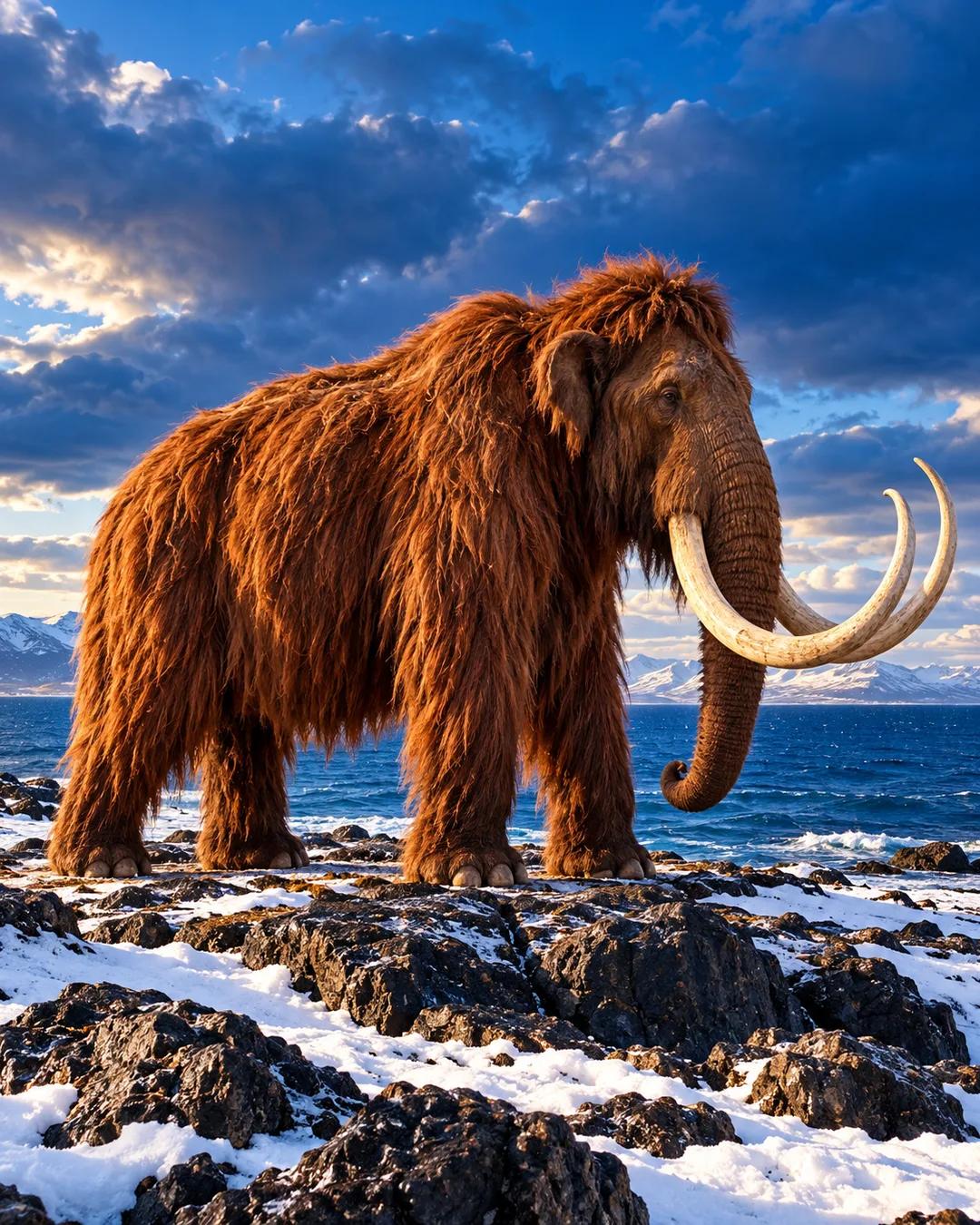
Mammoths outlived Sumer
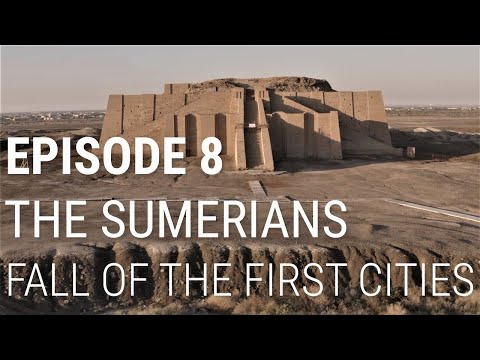
When the city of Eridu was founded around 5400 BC, herds of woolly mammoths, survivors of the Ice Age, still roamed remote parts of the world. By the time Uruk became the largest city around 3500 BC, nearly 2,000 years had passed since Eridu's founding, about the distance between Julius Caesar and us. When writing was invented in Uruk in the 32nd century BC, the last herds of mammoths were still clinging to life on Wrangel Island in the eastern Siberian Sea. The oldest pyramids in Egypt would not be built for another 900 years, and Stonehenge was just a set of earthworks.
Sometime around 1700 BC, long after the last king of Ur was a distant memory, the last woolly mammoth on Earth lay down and died on a small rocky island at the edge of the Arctic Ocean. The Sumerian state in its imperial form had risen, flourished, and died before that.
How did mammoths survive on Wrangel Island?
Rising seas cut Wrangel Island off from the Siberian mainland roughly 10,000 years ago, and the mammoths on it were stranded. The population stayed small, probably a few hundred animals. A 2017 study in PLOS Genetics by Rebekah Rogers and Montgomery Slatkin found that harmful mutations had piled up in the island mammoths' genomes.
How do we know when the last one died?
Researchers date mammoth bones and tusks with radiocarbon. Work led by Sergey Vartanyan and colleagues in the 1990s dated remains on Wrangel Island to within roughly the last 4,000 years. Later studies of ancient DNA and sediments from the island agree that mammoths lived there until the Bronze Age.
Why did mainland mammoths vanish first?
The warming at the end of the last Ice Age shrank the cold, dry grasslands the animals fed on. Human hunting added pressure on dwindling herds. Mainland populations in Eurasia and North America were largely gone by about 10,000 years ago.
More from Fall of Civilizations