Korva is a scroll of the internet’s best ideas.
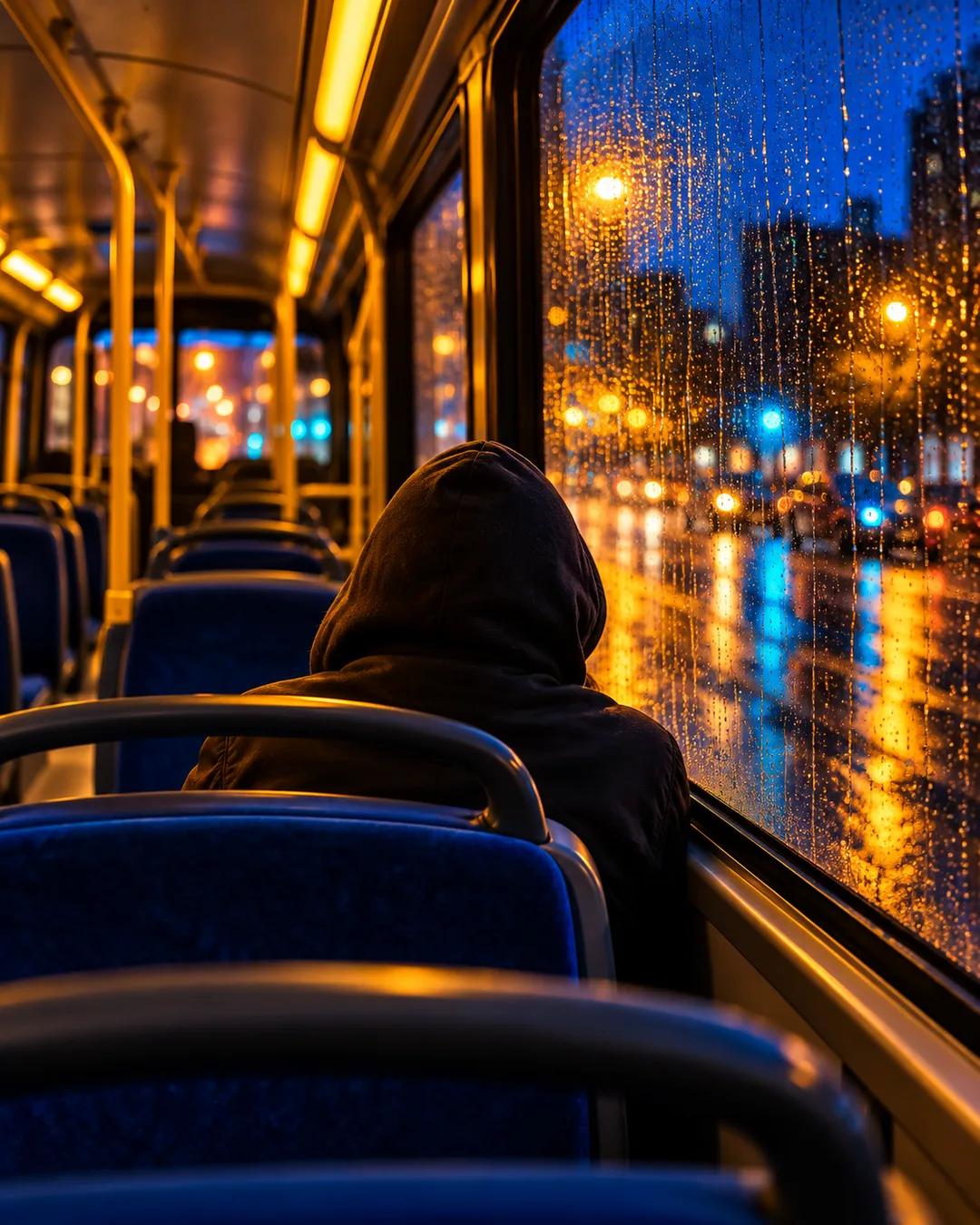
Most people feel like passengers

A passenger behind the face
That feeling puts a person on the edge of experience, appropriating it from the side, with the world out there and the body as an object in it. The boundary of the skin is meaningful, and control of the body is loose: voluntary movements follow orders, while the heartbeat and hormonal secretions run in the dark.
Looking from inside
Meditation examines all of this from the first-person side. Someone closes their eyes and aims attention at the breath or at sounds, and that sets up a dualism between a locus of attention and its object.
No thinker found
A search for the thing called I, or for a thinker in addition to the mere arising of the next thought, turns up nothing, and conclusively so. A psychological freedom can be experienced on the other side of discovering the self to be an illusion.
Why does a rubber hand feel like mine?
In 1998, Matthew Botvinick and Jonathan Cohen reported the rubber hand illusion in the journal Nature. A volunteer's real hand is hidden while a rubber hand sits in view, and both are stroked at the same moment. After a short time, many people feel the touch in the rubber hand and sense it as their own. The illusion shows that the felt boundary of the body is assembled by the brain from the senses.
What did Hume find when he looked for the self?
The philosopher David Hume described this search in his 1739 Treatise of Human Nature. He wrote that whenever he looked inward he stumbled on some particular perception, such as heat, cold, light, or pain. He never caught himself without a perception, and so never observed a self apart from them. He compared the mind to a theater in which perceptions make their appearance in succession.
How do the heartbeat and hormones run in the dark?
The autonomic nervous system regulates the heart, digestion, and glands without conscious input. It has two main branches, the sympathetic, which speeds the heart in arousal, and the parasympathetic, which slows it. The hypothalamus and brainstem coordinate much of this, including the hormonal signals sent from the pituitary gland. Voluntary movement, by contrast, is driven by the motor cortex.
More from Andrew Huberman