Korva is a scroll of the internet’s best ideas.
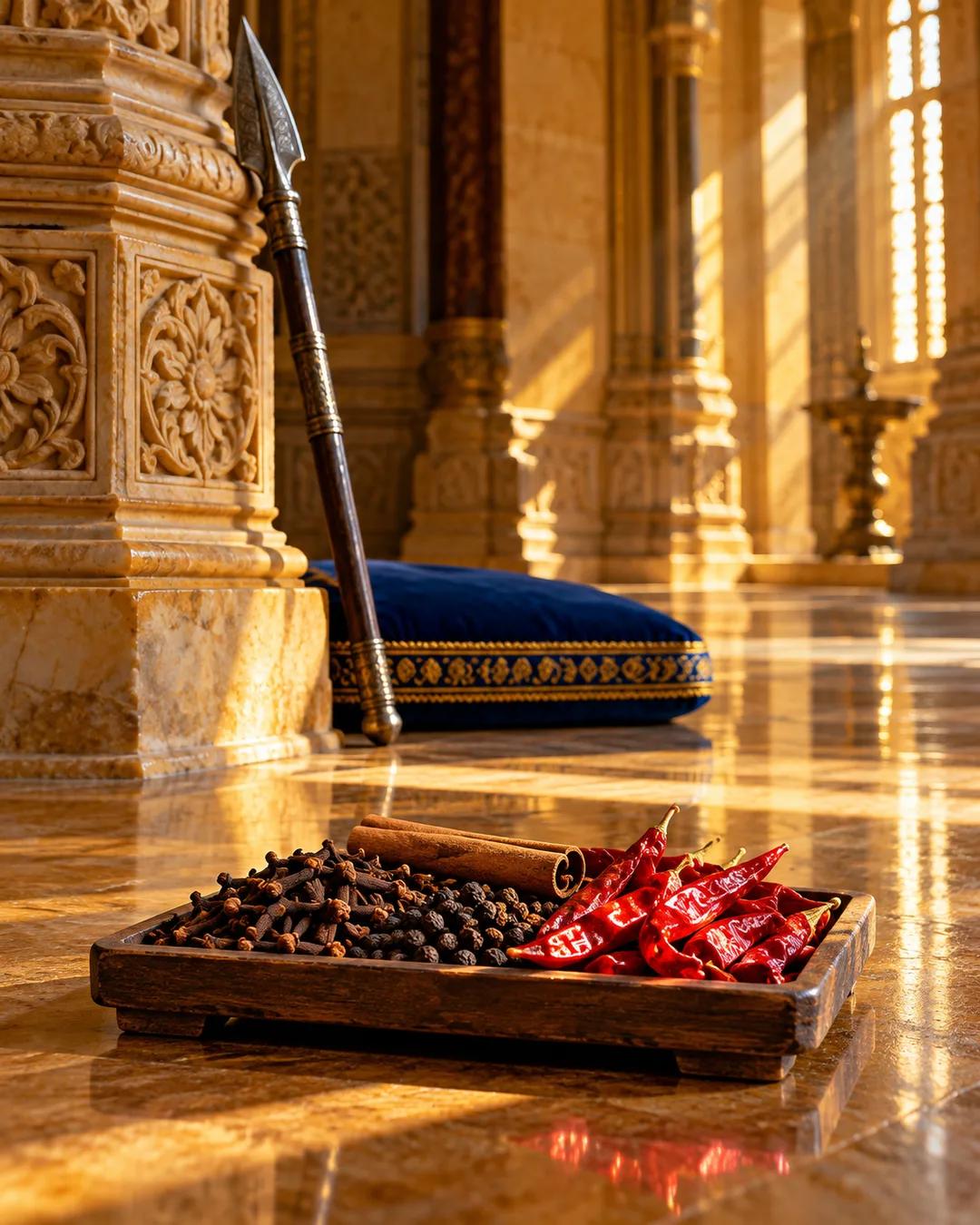
No spices until the archipelago falls
A bodyguard's rise
His name joins gaja, elephant, with a word for a state of furious intoxication, and it echoes the weeks each year when a bull elephant in musth turns aggressive and dangerous. Elephants were the centerpiece of Javanese armies, imported at great expense, with metal on their tusks and oiled sides so enemies could not climb on their backs. Gaja Mada was born poor near Majapahit, and his father may have been killed in the war with the Mongols. He rose to lead the king's elite bodyguard, guarded the king through a rebellion, and was rewarded with a province.
The queen's campaign
Queen Tribhuwana made him prime minister. Early in her reign, a dispute arose over which of her generals would lead the army against two rebels, Sadeng and Keta, and she settled it by leading the army herself. Both rebels were defeated.
The oath
Before the court, Gaja Mada then swore that he would eat no spices and take no rest until he had conquered the Gurun islands, Seram, Tanjung Pura, Haru, Pahang, Dompu, Bali, Sunda, and Palembang. Over the next three decades, he led Majapahit's armies across the seas. They reconquered Bali in 1343 and absorbed most of Sumatra's coast, while other kingdoms, such as Sulawesi, the iron island, joined as tributary subjects without a fight.
How did the Palapa oath become a national symbol?
Gaja Mada's vow is known as the Sumpah Palapa and appears in the Pararaton. Indonesian nationalists in the 20th century held up Majapahit's reach as a precedent for a united archipelago. Indonesia named its first domestic communications satellite Palapa in 1976. The country's Gadjah Mada University in Yogyakarta, founded in 1949, carries his name.
How were war elephants used in Southeast Asia?
Elephants carried commanders and archers on platforms called howdahs. Their size let them break infantry lines, and their height gave commanders a view of the field. Khmer, Thai, and Burmese armies also used them for centuries. Armies protected them with armor and trained handlers to keep them steady under fire.
Why is musth dangerous in bull elephants?
Musth is a periodic state in which a bull's testosterone levels climb many times above normal. Researchers who study wild elephants, including Joyce Poole in Kenya, have documented aggression, glandular discharge from the sides of the head, and urine dribbling. Bulls in musth fight rivals more fiercely and sometimes attack handlers. The state lasts from a few days to several months.
More from Fall of Civilizations