Korva is a scroll of the internet’s best ideas.

Outwork your imposter syndrome
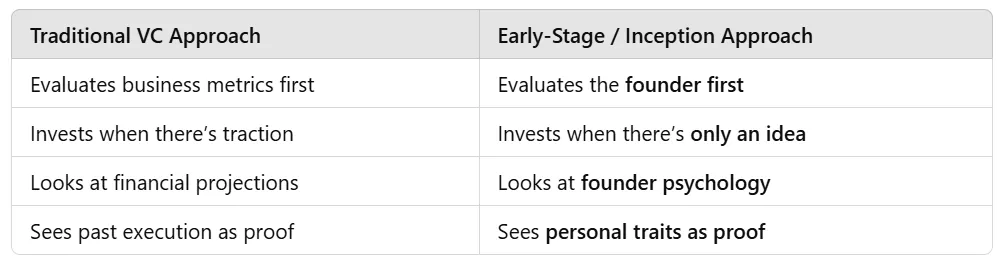
They work insanely hard to realize a core belief that they are destined for more. Reasonable people let doubt creep in, and the doubt creates entropy that wears down their psyche, fortitude, and ambition.
The thing to find out about a founder is whether they deeply believe they are capable of something great in this life. Founders who do approach the work with the truest form of the "failure is not an option" mindset.
Ego and imposter syndrome both stay in the room, and the founder's output is where the winner shows up.
Where does imposter syndrome come from?
The term comes from psychologists Pauline Clance and Suzanne Imes, who described the imposter phenomenon in a 1978 paper about high-achieving women. They found that many of their subjects credited success to luck or error despite strong records. Later research found the same pattern across genders and occupations. Their paper appeared in the journal Psychotherapy: Theory, Research & Practice.
How does self-belief shape effort?
Psychologist Albert Bandura introduced the idea of self-efficacy in a 1977 paper in Psychological Review. Self-efficacy is a person's belief in their ability to carry out a task. In Bandura's research, people with higher self-efficacy set higher goals and kept going longer after setbacks. He later spent decades testing the idea at Stanford University.
More from Jeff Becker