Korva is a scroll of the internet’s best ideas.
Picnics are down by half

What has faded
Movies, church, and listening to music together have all fallen, and people take more of their walks alone. The broad sociological trends point toward fragmentation.
What is coming back
Surveys show 25-year-olds and 30-year-olds are interested in game nights, cooperative living, and cooking with each other. They care more about community than the generation before them, and they want to work with people they like.
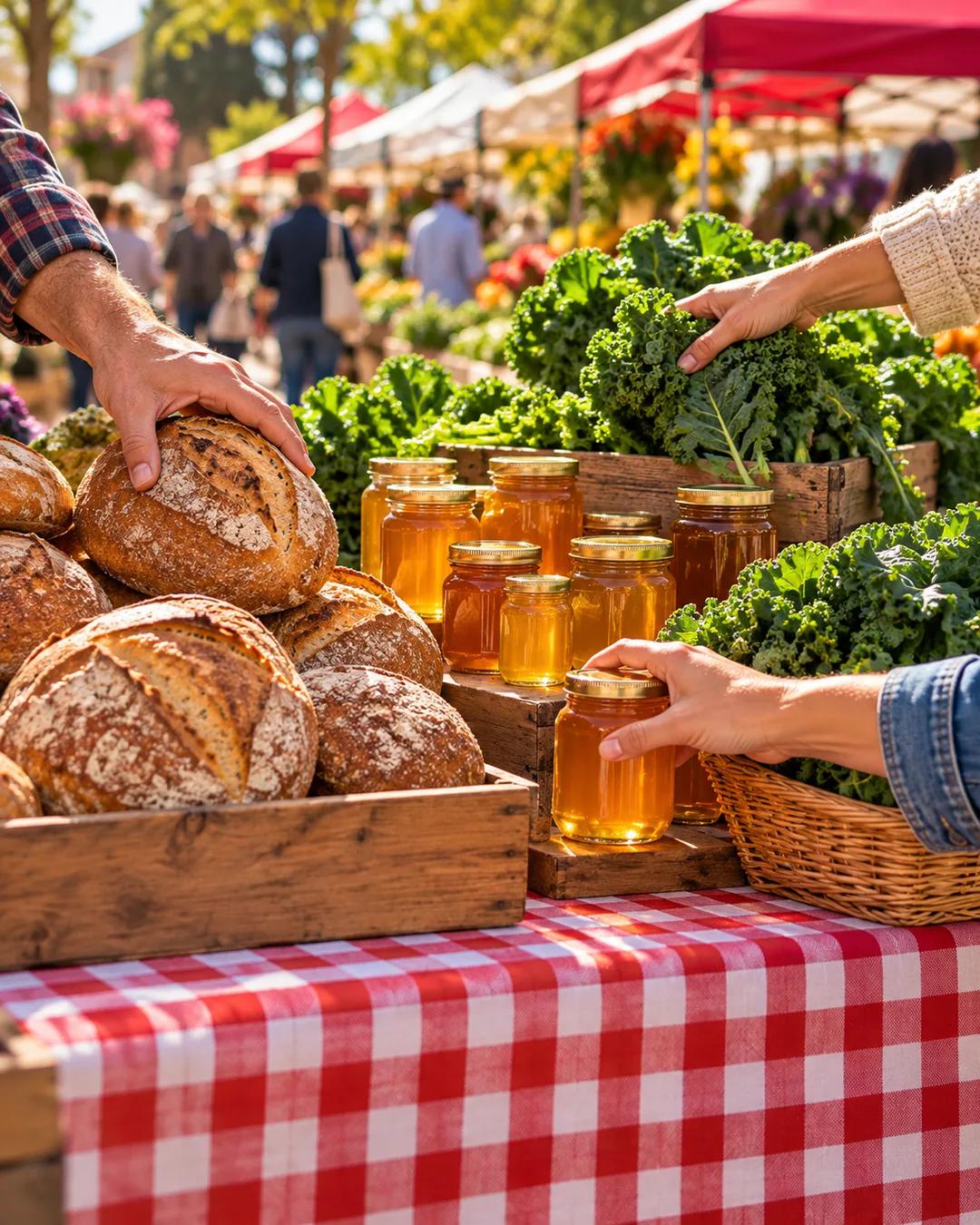
Signs of the return are everywhere. Festivals are reappearing, dance groups and contact dance are coming back, and one out of eight Americans does yoga. There are now 9,000 farmers markets, and people go for the kale, the honey, and the fresh bread but also for the community.
Community and the body
Community is tied to about 10 years of added life expectancy. There is a social side to the nervous system as well, with the vagus nerve, oxytocin, and cortisol all involved.
Why do social ties track with survival?
In a 2010 meta-analysis in PLOS Medicine, Julianne Holt-Lunstad and colleagues combined 148 studies covering more than 300,000 people. Participants with stronger social relationships had a 50 percent greater likelihood of survival over the follow-up periods. The effect was comparable in size to well-known risks such as smoking. The studies followed participants for an average of just over seven years.
How fast did farmers markets spread?
The US Department of Agriculture counted about 1,700 farmers markets in 1994. By 2014 the directory listed more than 8,000. Most of the growth came from small town and neighborhood markets. Federal programs such as the farmers market promotion grants, started in 2006, supported part of that expansion.
How does oxytocin shape social bonds?
Prairie voles, which pair for life, became the model animal for oxytocin and bonding in the 1990s. Researchers including Thomas Insel showed that blocking oxytocin receptors in female voles prevented pair bonds from forming. In humans, oxytocin rises with touch and eye contact, though its effects are smaller and more context-dependent than early headlines suggested. Cortisol, the stress hormone, tends to move in the opposite direction during warm contact.
More from Andrew Huberman