Korva is a scroll of the internet’s best ideas.
Placebo steroids improved gains
Placebos change outcomes
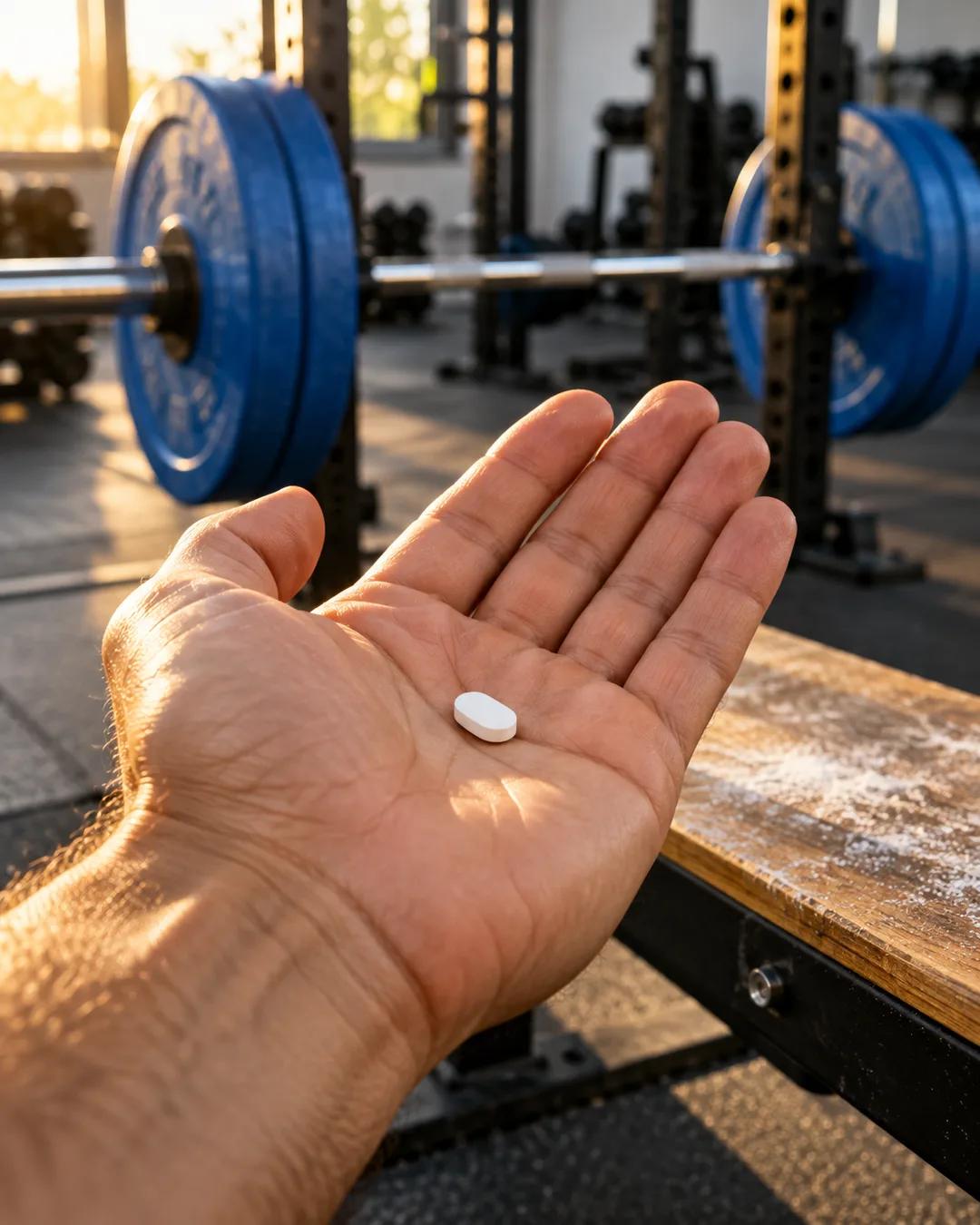
The result comes from a study within roughly the last decade, with no citation available. The gains were hard outcomes: strength and lean body mass. A placebo is more than a feeling, since it can change physiology, and research shows that a placebo or the power of suggestion can be about as powerful as some pharmaceuticals.
The creatine example
A creatine study covered in a research review makes a similar point with four groups: some were supplemented and told so, some supplemented and told they weren't, some unsupplemented and told they were, and some unsupplemented and told they weren't. What mattered was what they were told. That doesn't mean creatine fails to work. It suggests beliefs about what a supplement does are probably as powerful as the supplement itself.
Belief applies to everyone
Falling for a placebo isn't a choice. If a person believes something to be true, the power of that belief applies to them, whether they think they are immune or not.
How can a sugar pill change the body?
Placebo analgesia involves the brain's own opioid system. In a 1978 study, Jon Levine, Newton Gordon, and Howard Fields found that naloxone, which blocks opioid receptors, reduced the pain relief people got from a placebo. That showed a placebo could trigger real chemical release rather than only changing what people reported. Later imaging work has shown placebo-related activity in brain regions that regulate pain and reward.
Has anyone tested placebo steroids before?
In 1972, Gideon Ariel and Walter Saville published a study in Medicine and Science in Sports on weightlifters who were told they were taking an anabolic steroid. Some of the pills were placebos. The report described strength gains in the lifters who believed they were on the drug. It remains one of the earliest cited examples of belief shaping athletic performance.
Can placebos work if people know?
In a 2010 trial in PLoS ONE, Ted Kaptchuk and colleagues gave patients with irritable bowel syndrome a pill described honestly as a placebo with no active ingredient. After three weeks, they reported more symptom relief than a group that received no pills. The trial was small, with 80 participants. It was the first of a line of open-label placebo studies.
More from Andrew Huberman