Korva is a scroll of the internet’s best ideas.
Plan your last decade first

The last decade
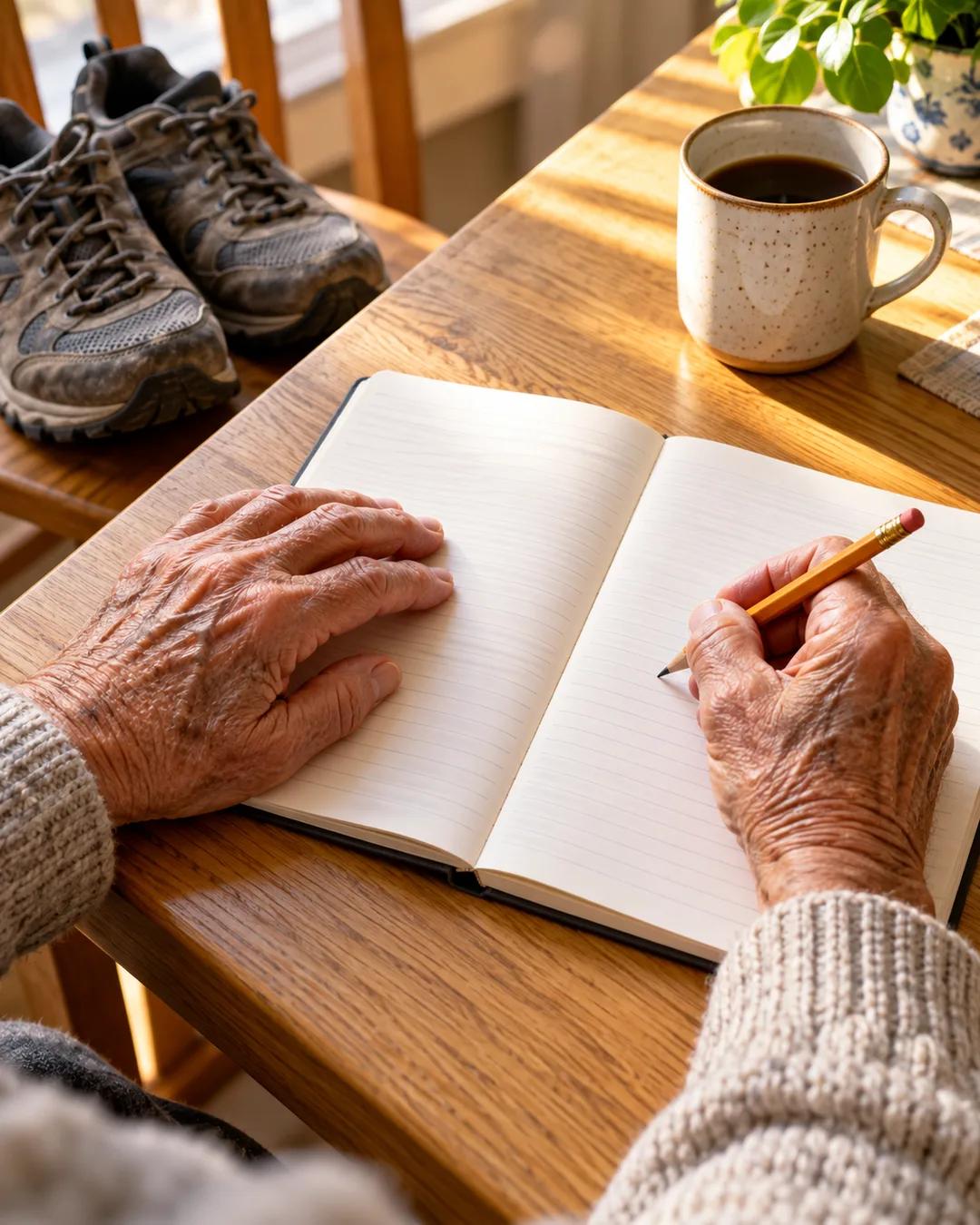
Every life has a marginal decade, the last one, and most people have a sense of when they have entered it. Mapping what it should look like takes far more detail than most people have ever considered, so one clinic prompts patients with about 50 questions. The decade could run from 87 to 97 or from 79 to 89.
Why a target matters
Without that picture, any program is guesswork. An Ironman is trainable because the objective is known: swim 2 1/2 miles, ride 112 miles, run 26.2 miles. Picture being told to start training for an athletic event a year away that could be basketball, swimming to Catalina Island, or running 100 miles.
Working backward
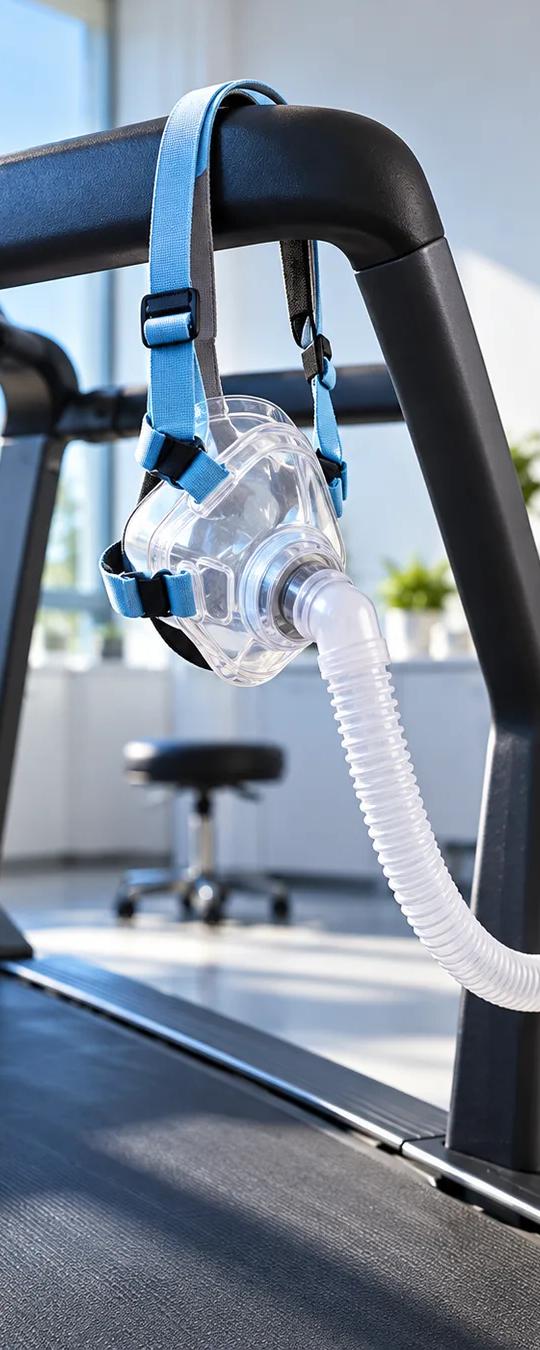
Once the picture is set, it gets broken into metrics that can be measured and worked backward, a method called back casting. Suppose the picture requires a VO2 max of 30 milliliters of oxygen per minute per kilogram at age 90. VO2 max declines about 8% to 10% per decade, so a person at 42 today who needs 30 in 40 years falls short on that math. The same exercise run on strength and stability leaves most people well below where they need to be.
Why does VO2 max decline with age?
VO2 max is set by how much blood the heart can pump each minute and how much oxygen the muscles can pull out of it, and both fall over the decades. Maximum heart rate drops steadily with age, and a 2001 meta-analysis by Hirofumi Tanaka and colleagues in the Journal of the American College of Cardiology fit it at about 208 minus 0.7 times age. Muscle mass and the number of mitochondria in muscle also shrink, which lowers how much oxygen working muscle can use.
How much oxygen does everyday movement need?
The American College of Sports Medicine's walking equation puts the oxygen cost of walking at three miles per hour at about 12 milliliters per kilogram per minute. The same equation adds a term for each percent of incline, so even a gentle slope pushes the demand up sharply. Climbing stairs costs more still than level walking, and the cost is set by the task rather than by the person's fitness.
Where did back casting come from?
Energy policy researcher John Robinson introduced back casting in a 1982 paper in the journal Energy Policy. He used it to ask what a desirable future energy system would look like and then trace the steps back to the present, rather than projecting current trends forward. Sweden's Natural Step framework applied the same approach to sustainability planning in the 1990s.
More from Andrew Huberman