Korva is a scroll of the internet’s best ideas.
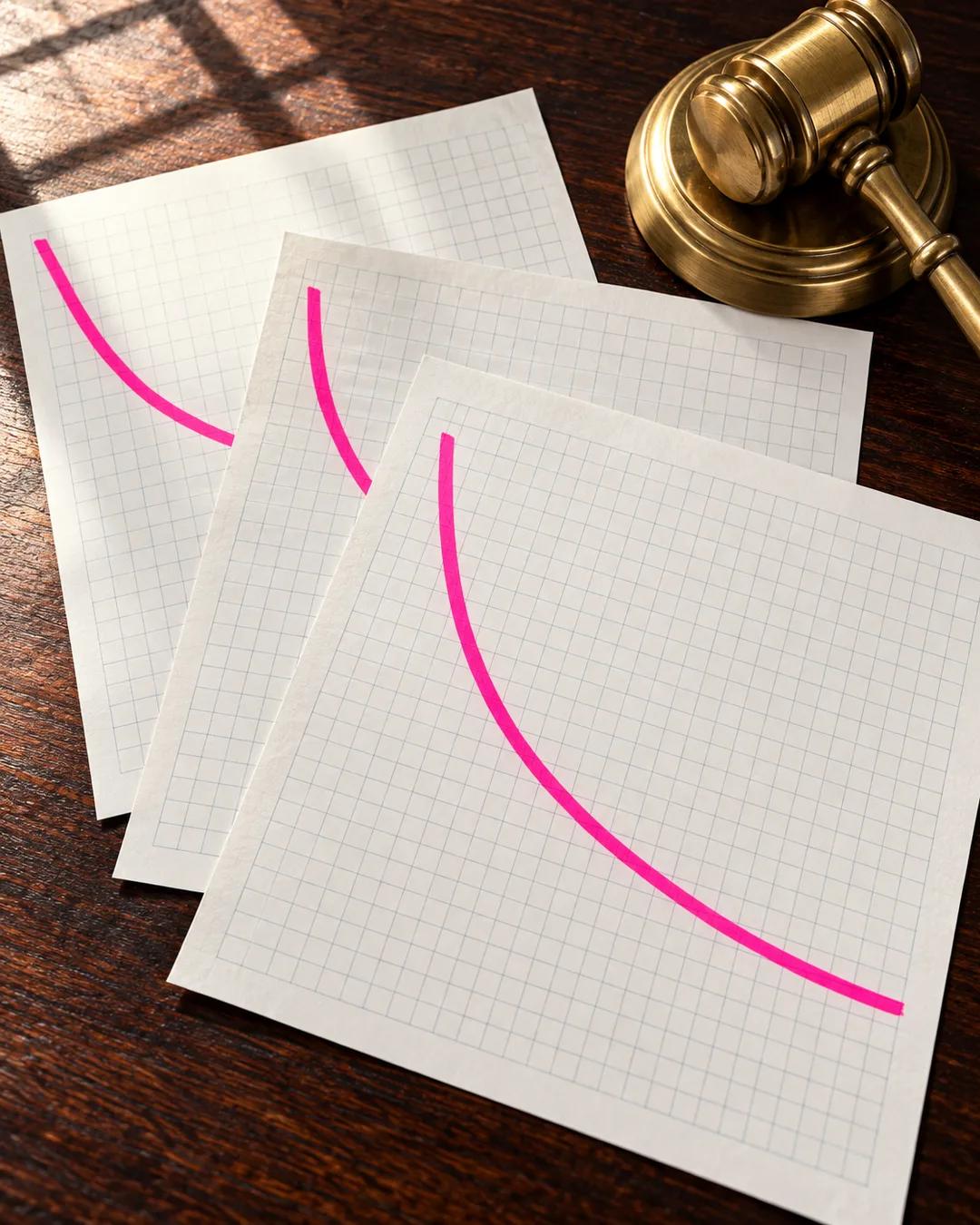
Raise money with a demand curve

The pricing mistake
Getting attached to a price is the common mistake. A founder who gets a signal for a number starts holding to it, investors come in under it, and the market never gets cleared. Starting at a low price reverses that: the pitch is that the price is at least here. An investor who leans forward at that number is now a bidder.
The one-by-one auction
In a winner-takes-all round, the founder takes whatever the first investor offered and tells the next one a number five higher, then tells the third five higher again, all while telling the earlier ones the price is going up. When bids peak, the round closes with a going once, going twice, sold.
The sheet method
Most big rounds with several rooms running at once work differently. Each investor fills out a sheet of how much they would put in at each price. Adding up the sheets gives the demand at every price, and demand falls as the price rises. For a founder raising a billion dollars, it could show three billion of demand at a low price and one billion at a higher one. The higher price is the one that could close right now.
Investors who didn't bid enough to reach that price are told they're out, and they can fill out another sheet to get back in. The curve is drawn again, it shifts a little to the right, and more investors drop out. After one more pass, the sheet is cleaned and the round is done.
Why does an auction beat a fixed price?
A fixed price asks the seller to guess what buyers will pay, and a wrong guess leaves money on the table or scares buyers off. An auction lets the buyers reveal their own valuations through their bids. Economists call this price discovery. Paul Milgrom and Robert Wilson won the 2020 Nobel Memorial Prize in Economics for improving auction theory and designing new auction formats.
How do stock exchanges find opening prices?
Major exchanges such as the New York Stock Exchange and Nasdaq open each trading day with an auction. Buy and sell orders collect before the open, and the exchange picks the single price at which the most shares can trade. Everyone whose order qualifies trades at that same price. The method is a demand curve in practice: the opening price is where buyers and sellers lined up at once.
How did Google's IPO use an auction?
Google's 2004 public offering used a modified Dutch auction. Bidders submitted how many shares they wanted and the price they would pay, and the offering price was set at the level where all the shares could be sold. Every successful bidder paid that single price. Google went public at $85 per share in August 2004.
More from David Senra