Korva is a scroll of the internet’s best ideas.

Rising pay-later use signals strain
Who uses them
About half the people who use buy now, pay later loans couldn't make the purchase without them. The heaviest users are often people on the financial margins who have maxed out their credit cards or don't qualify for one.
What spending hides
Strong consumer spending can mean two different things. If people feel confident, take a vacation, and expect to pay it off, spending reflects health. If borrowing is going up because people have to cover daily needs, the same spending reflects pressure, and the headline number can't tell the two apart.
The harm reduction view
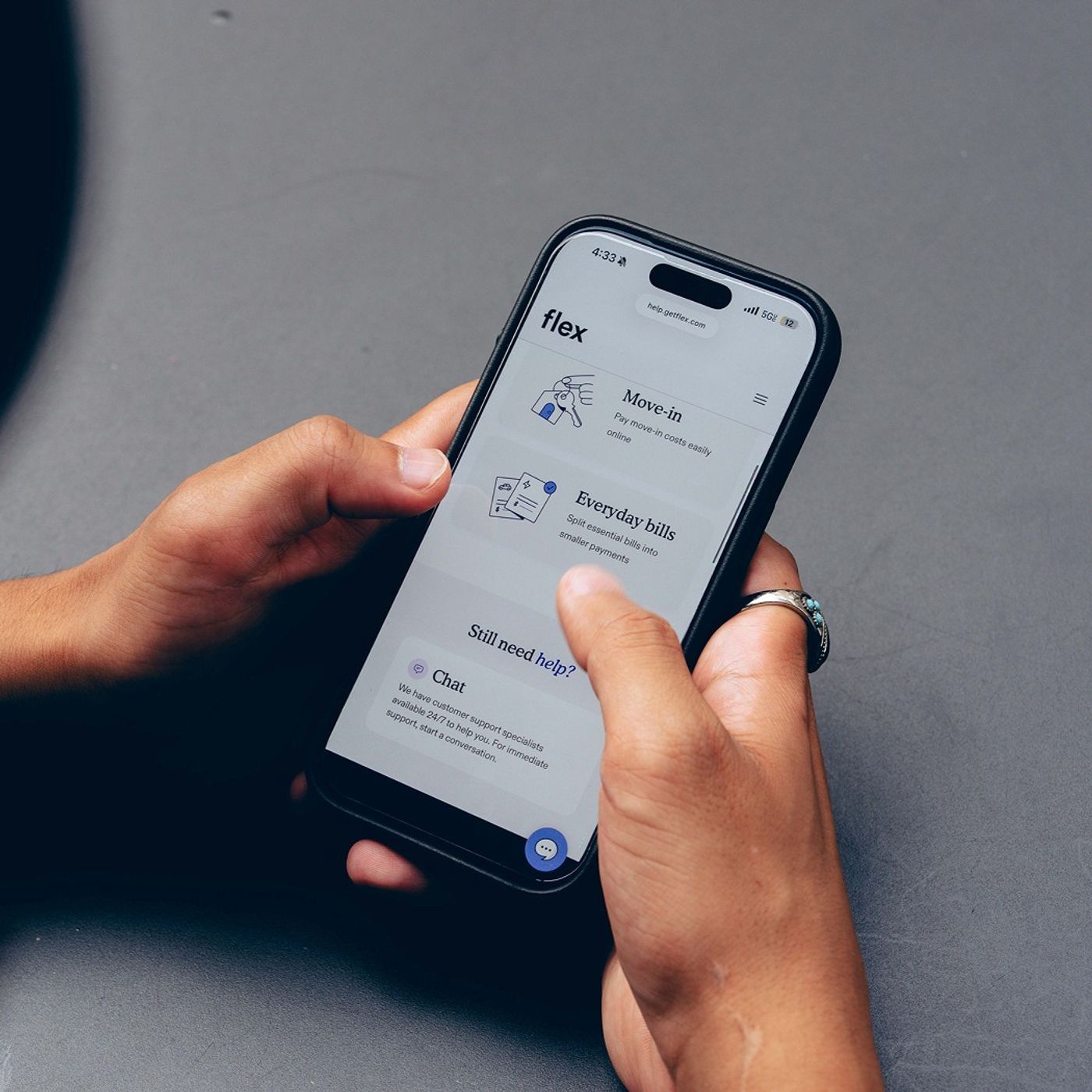
Consumer advocates point out that for people with few borrowing options, these loans can be among the better choices. Flex, the rent-payment app, frames its own role as fixing a timing problem, since it can't solve income or the price of rent, and it calls that harm reduction.
Why can strong spending hide financial stress?
Spending totals count dollars without recording how they were financed. Economists look at delinquency rates and the savings rate alongside spending to tell comfort from strain. Spending is also unevenly spread: a 2025 estimate from Moody's Analytics put the top 10 percent of earners at close to half of all consumer spending. A rise in the total can come mostly from households that feel secure while others borrow to keep up.
What does harm reduction mean in lending?
The term comes from public health, where programs aim to reduce the damage of a risky situation without requiring it to end. Needle exchanges are the best-known example. In lending, the same idea compares a loan with the options a borrower actually has. The Consumer Financial Protection Bureau has described the typical fee on a two-week payday loan as about fifteen dollars for every hundred borrowed.
Why is a timing gap different from low income?
A timing gap means the money arrives after the bill is due, even when the total over a month would cover it. Rent is usually due on a single date, while paychecks follow a weekly, biweekly, or semimonthly schedule. Low income is a shortfall in the total, which no loan can fix. The Federal Reserve's annual survey of household economics found in 2023 that about 63 percent of adults could cover a four hundred dollar emergency expense with cash or its equivalent.
More from The Daily