Korva is a scroll of the internet’s best ideas.
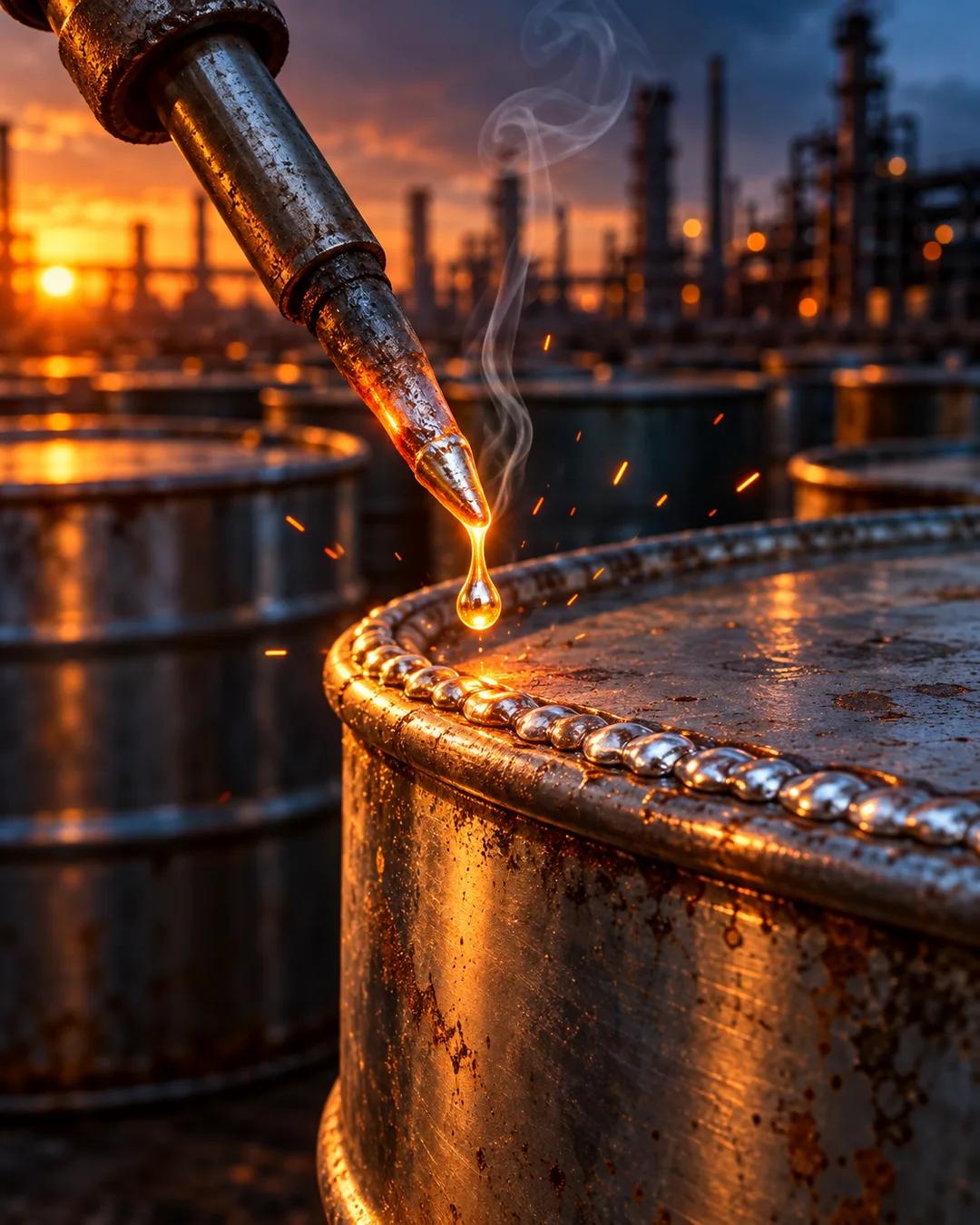
Rockefeller's 49 drops of solder

Rockefeller walked past the workers sealing barrels and saw 50 drops of solder going onto each one, enough to keep the barrel from leaking. He told them to try 48. The barrel leaked. They tried 49, and it didn't.
That single drop saved only $2,500 the first year, because the company was still tiny. As the business grew, the same drop was worth hundreds of thousands of dollars a year.
He made cuts like it in a thousand different places. By the time his company reached its full scale, its costs were so low that other refiners could not compete with it at all.
How did Rockefeller cut costs elsewhere?
Standard Oil began making its own barrels rather than buying them. According to Ron Chernow's biography Titan, the company cut the cost of a barrel from about $2.50 to 96 cents. It also collected and sold refining byproducts that other refiners dumped as waste. Each saving was small on its own and large once spread over the company's volume.
Why did low costs shut out rival refiners?
A refiner with lower costs can sell at a price that leaves it a profit while rivals lose money at the same price. Rivals then have to match the price and bleed cash, or hold their prices and lose customers. Standard Oil, founded in Ohio in 1870, grew by buying competitors that could not keep up. In 1911, the United States Supreme Court ordered the company broken into 34 separate companies.
More from David Senra