Korva is a scroll of the internet’s best ideas.
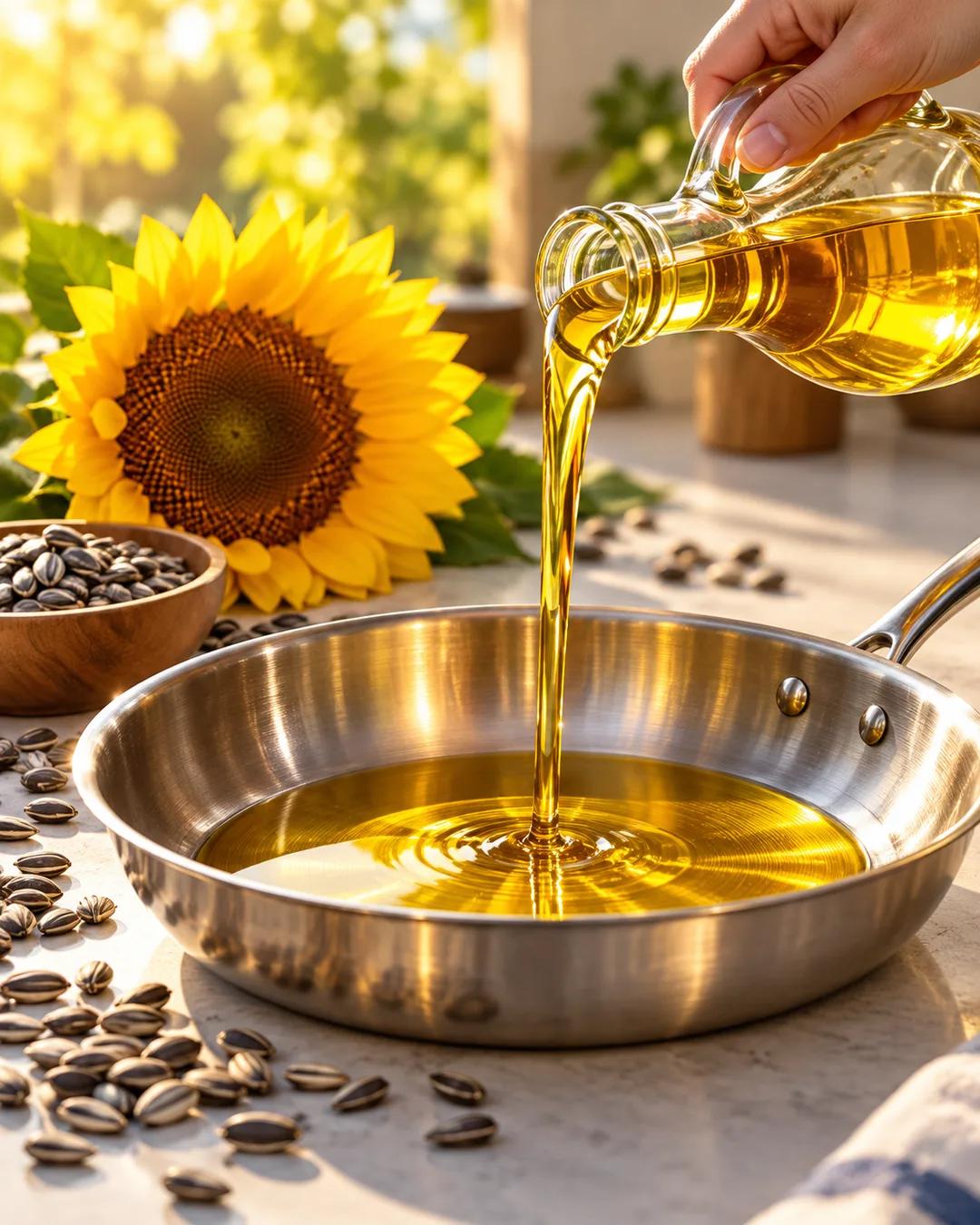
Seed oil fears lack trial support
The case against
Seed oils do have a plausible mechanism against them: polyunsaturated fats have multiple double bonds that can oxidize when heated, which could cause inflammation. Epidemiology also finds some links between seed oil intake and worse outcomes, though those are tangled up with many other behaviors.
Individual fatty acids
Individual fatty acids differ, so lumping them into one bucket misleads. Stearic acid, a saturated fat, tends not to raise LDL cholesterol, while saturated fat as a whole does. Trials comparing monounsaturated and polyunsaturated fats disagree with each other, but human trials point toward consuming either one in place of saturated fat.
What changed
What has changed over the last 20 to 30 years is that people added oil, mostly seed oil, to their diets, raising the calorie load. Dumping oil on everything adds energy, which feeds overall energy toxicity. So far, trials haven't shown seed oils to be independently bad for you, independent of the calories they contain.
Why does heating polyunsaturated oil cause oxidation?
The carbon atoms between two double bonds hold hydrogen atoms that are easy to strip away. Oxygen then reacts with the exposed carbon and starts a chain reaction. Heating speeds the chain, and it produces aldehydes such as 4-hydroxynonenal, which has been studied in lab work for toxicity. Monounsaturated and saturated fats have fewer such sites, so they oxidize less readily.
What do reviews of saturated fat replacement find?
In a 2020 Cochrane review led by Lee Hooper, researchers pooled trials of at least two years in which people cut saturated fat. The review found a 17 percent reduction in combined cardiovascular events. The effect was larger when saturated fat was replaced with polyunsaturated fat. The review included 15 randomized trials.
How much has seed oil use grown?
In a 2011 paper in the American Journal of Clinical Nutrition, Tanya Blasbalg and colleagues at the National Institutes of Health estimated US availability of fats and oils from 1909 to 1999. Soybean oil rose from almost nothing to about 7 percent of daily calories. Margarine and shortening made with it drove much of the growth.
Why doesn't stearic acid raise LDL?
Stearic acid is poorly absorbed compared with other saturated fats, and the body converts a large share of it to oleic acid, the main fat in olive oil. The conversion is carried out by an enzyme called stearoyl-CoA desaturase. Palmitic, lauric, and myristic acids do raise LDL cholesterol. Cocoa butter is rich in stearic acid.
More from Andrew Huberman