Korva is a scroll of the internet’s best ideas.
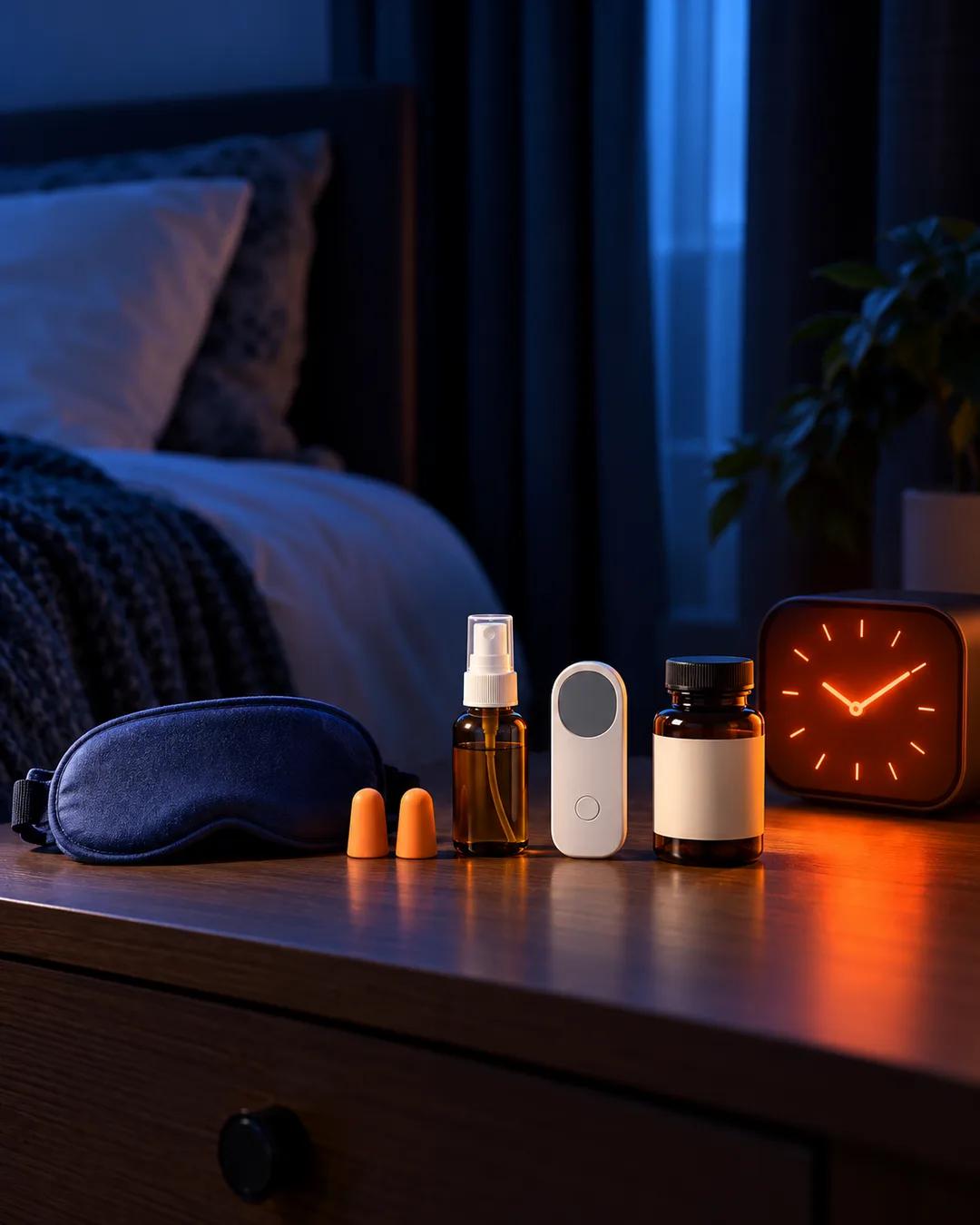
Sleep hygiene barely moves sleep

Missing the foundations
When sleep goes wrong, the cause is usually a scrambled sleep drive or a circadian rhythm thrown off by the timing of influential behaviors. Most sleep hygiene does nothing for either one, and no amount of fixing the room, adding supplements, or buying tech takes the place of those foundations.
When the room matters
Environment fixes do work when something in the environment has changed. A move to a noisier neighborhood or to curtains that let in more light than before is worth addressing, and so is a sudden jump to ten cups of coffee a day. If caffeine was not what started the trouble, though, cutting it out has little reason to cure it.
The cost of perfection
Treating the whole list as mandatory carries its own cost. When people believe those habits must be perfect for sleep to be good, they fear what happens if they slip, and that fear creates sleep anxiety, which can lead to chronic insomnia.
Why does a cool room help sleep begin?
Core body temperature falls by about one degree Celsius over the evening and reaches its lowest point in the early morning. The body sheds heat through the skin of the hands and feet to bring that drop about. In a 1999 study in Nature, Kurt Kräuchi and colleagues in Basel found that warmer hands and feet predicted how quickly people fell asleep. A cooler room makes it easier for the body to release heat.
How does worry about sleep turn into insomnia?
In 1987, the psychologist Arthur Spielman proposed the three-P model of insomnia. Predisposing factors make a person more vulnerable, precipitating factors such as stress start a bad stretch, and perpetuating factors keep it going after the trigger is gone. Worry about sleep and changes in habits made in response to poor sleep are the classic perpetuating factors. The model remains the standard framework in insomnia research.
Why does caffeine linger so long?
The liver clears caffeine using an enzyme called CYP1A2. In an average adult the half-life of caffeine is around five hours, so half of an afternoon cup is still circulating in the evening. Genetics, pregnancy, and smoking change how quickly the enzyme works, which is why the half-life ranges from about two to ten hours between people.
More from Something You Should Know