Korva is a scroll of the internet’s best ideas.
Specialized machines beat humanoids at scale
In a house, clothes need folding, the trash needs taking out, and dishes need washing, but none of those alone is a big enough problem to justify a robot that costs tens of thousands of dollars. A machine that does many different things in a human environment makes sense, and the best shape for it is a humanoid.
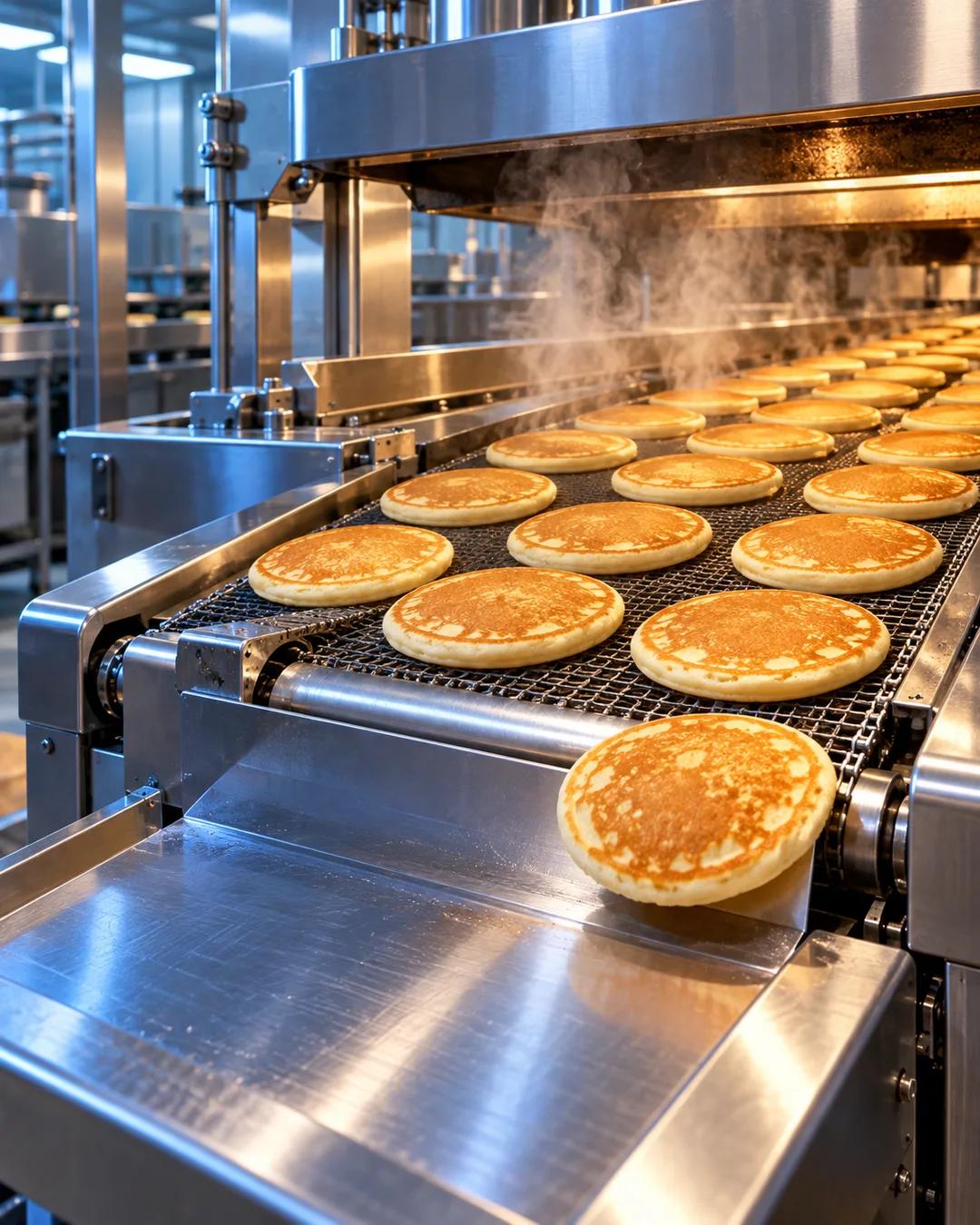
Pancakes show the other side. A humanoid making them once a week on a Sunday works fine. Making a thousand an hour would take something like 100 humanoids in a row, each flipping at a human's pace. A simple hot iron apparatus, where the batter is pushed in, can push out something like 100 pancakes every few minutes.
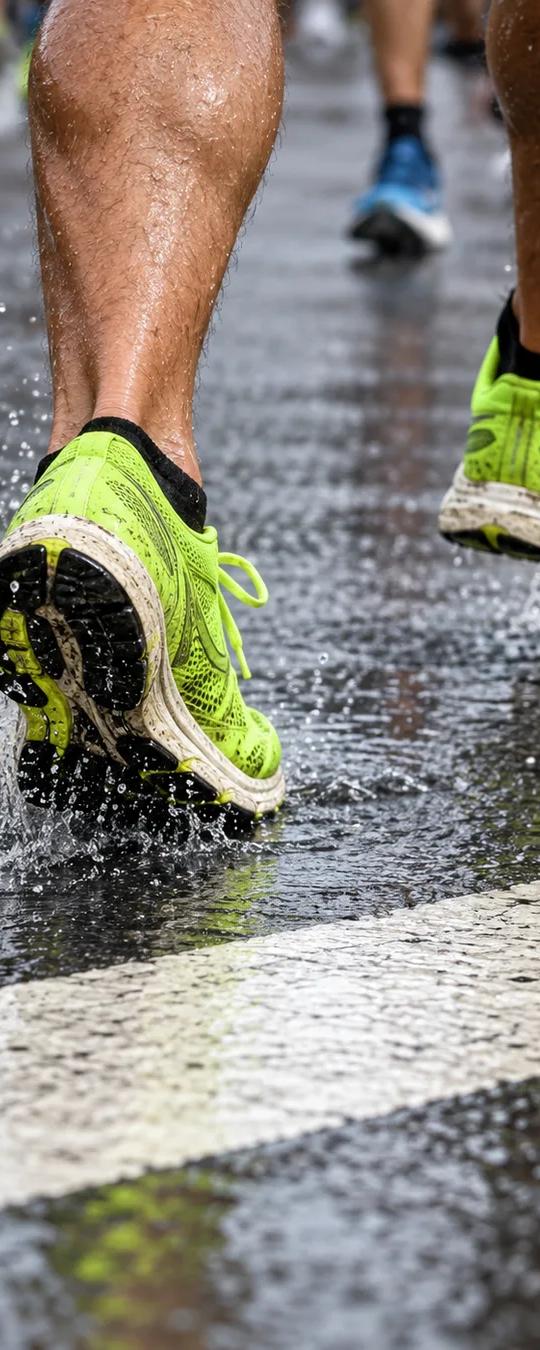
The same logic applies when a car has to move down the street: no humanoid needs to drive it. Today's humanoid demos are dancing and martial arts, and Beijing holds a humanoid Olympics with a marathon. Picture wheels on those machines and the point gets clear: a purpose-built machine for the task is what matters.
Why are robots built to look human?
Human environments are built for human bodies: stairs, door handles, tools, and vehicle controls all assume two legs and two hands. A robot with a human shape can use those spaces without anyone rebuilding them. Honda introduced its ASIMO humanoid in 2000, after more than a decade of walking-robot research. Engineers still debate whether a human form is worth its cost outside spaces designed for people.
How did single-purpose machines transform manufacturing?
Henry Ford's moving assembly line, introduced at his Highland Park plant in 1913, broke car building into fixed steps. The company's figures show that assembling a Model T chassis dropped from more than 12 hours to under 2 hours. Each station used tools and fixtures built for one operation. The speed came from specialization rather than from any general-purpose worker.
How did Beijing's humanoid half marathon go?
Organizers billed an April 2025 event in Beijing as the first half marathon for humanoid robots. The robots ran the 21-kilometer course alongside human runners in separate lanes, and many needed battery swaps or fell along the way. Reuters reported that the winner, Tiangong Ultra, finished in about 2 hours and 40 minutes.
More from David Senra