Korva is a scroll of the internet’s best ideas.
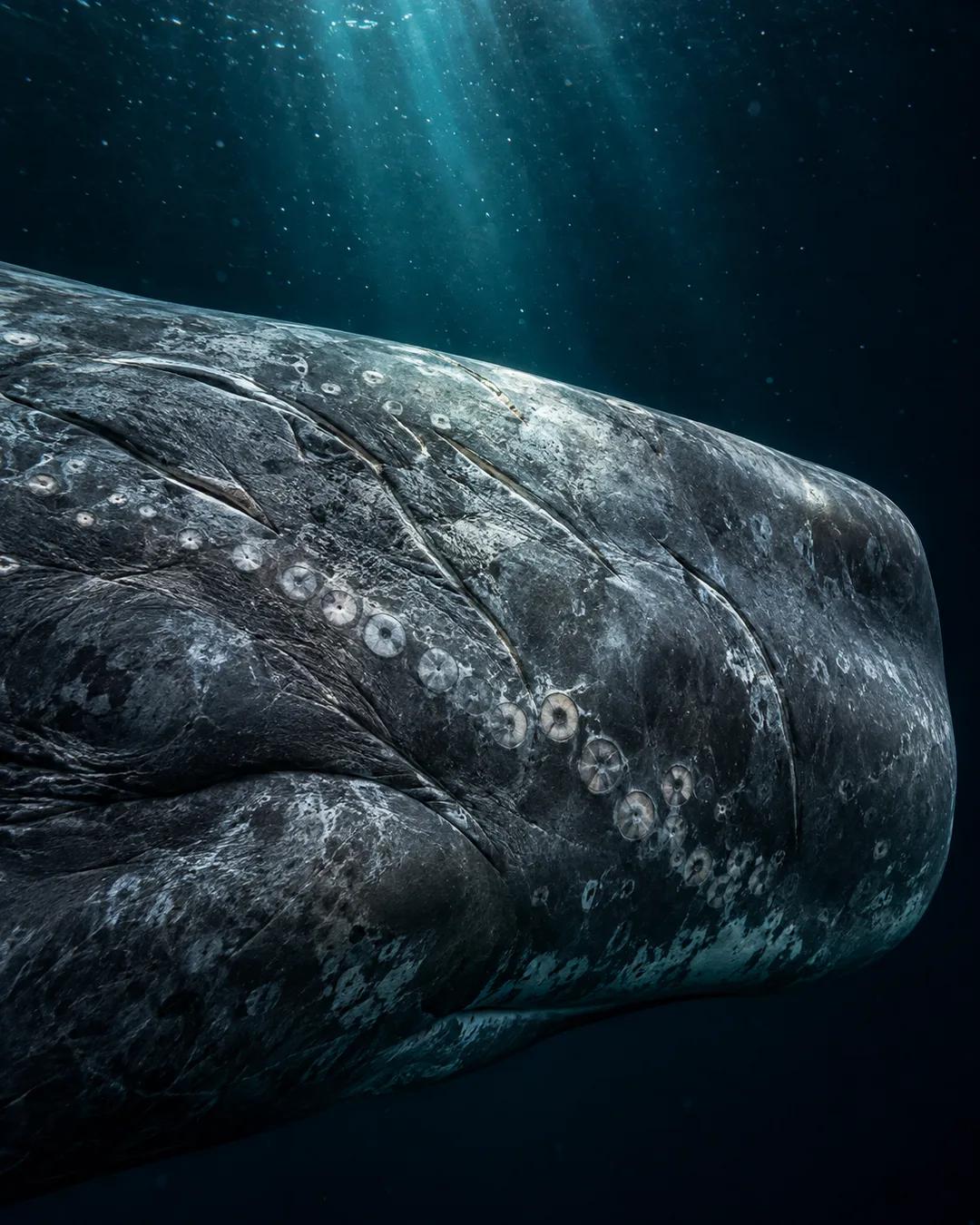
Sperm whales scarred by colossal squid
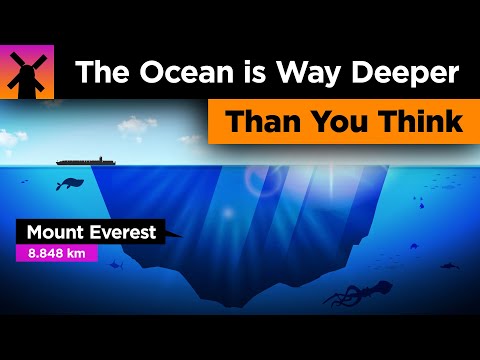
That depth is the limit for both animals. The squid can grow to 14 meters long and weigh up to 750 kilograms, with eyes the size of a dinner plate and razor-sharp sickles in the middle of its tentacles.
Nothing from the surface reaches them. Light gives out at 1,000 meters, and everything below is in permanent darkness. Around that line is where giant squid live, if the pressure, which at that depth matches the surface of Venus, hasn't already killed you.
A little above the colossal squid, at 2,000 meters, lives the black dragonfish, a carnivore with a stomach that doesn't let light shine through it. In that darkness, the only way to see one is with a flashlight.
How do sperm whales fight in total darkness?
Sperm whales navigate and hunt with echolocation, sending out powerful clicks from a huge organ in their heads and listening for the echoes. The clicks are among the loudest sounds made by any animal. That lets a whale locate a squid by sound even where no light reaches. Beaks from squid have been found in the stomachs of sperm whales for generations, which is how scientists first learned what they eat.
Why do colossal squid have such strange weapons?
Most squid have toothed suckers, but the colossal squid also has hooks on its tentacles, and some of them swivel. Those hooks can anchor into prey and tear skin as the animal struggles. The name colossal squid refers to its great bulk, since it is heavier than the giant squid even though it is shorter. Its eyes are among the largest of any animal, which helps it gather the faintest glow in deep water.
Why does light give out around 1,000 meters?
Water absorbs sunlight quickly, with red light vanishing in the first few meters and blue light lasting longest. Even blue light fades to almost nothing by around 1,000 meters, which is why oceanographers call everything below it the midnight zone. Animals there rely on bioluminescence, light made by chemical reactions in their own bodies or in bacteria they host. In the deep ocean, a large share of the animals that have been studied can produce light.
More from RealLifeLore