Korva is a scroll of the internet’s best ideas.
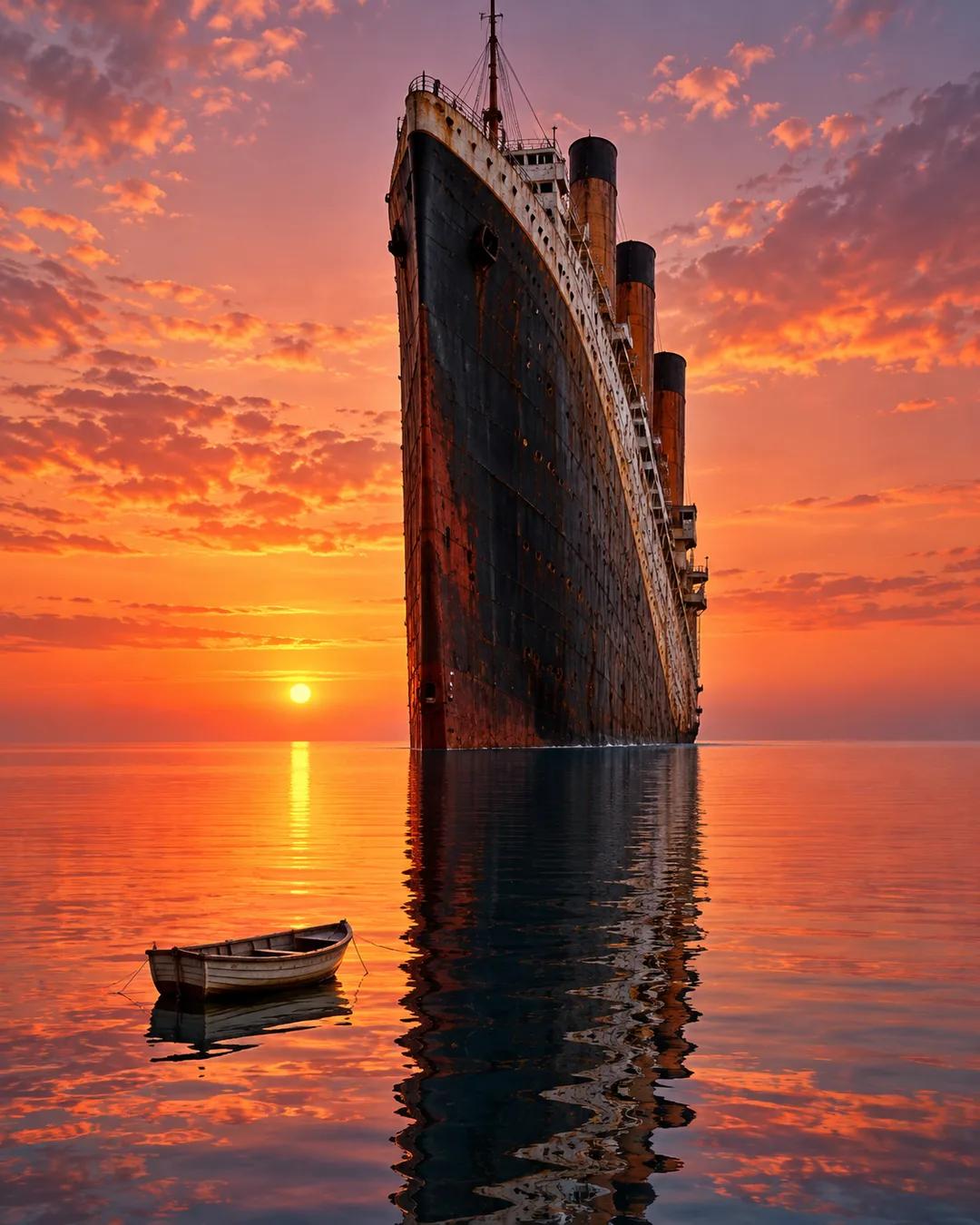
The Lusitania sank in shallow water

The wreck
The liner measures 240 meters from bow to stern. Stand it on its end on the seafloor and it would stick out of the water.
Human diving
Humans have not gone much deeper on their own. Recreational scuba diving stops at 40 meters. Around 100 meters, decompression sickness can turn seriously fatal.
Herbert Nitsch still dove 214 meters on a single breath, the free diving world record. Ahmed Gabr holds the scuba record at 332 meters. Another 111 meters would have put him at the height of the Empire State Building if it were submerged.
Animal dives
At 500 meters, blue whales reach their maximum dive depth, which is also the limit of the US Seawolf class nuclear submarine. Emperor penguins go down to 535 meters, where the water pressure is roughly a polar bear standing on a quarter.
Why does diving deeper cause decompression sickness?
Under pressure, a diver's tissues absorb extra nitrogen from the air they breathe. If the diver rises too fast, the pressure drops and that dissolved nitrogen forms bubbles in the blood and joints. The bubbles can block circulation and damage tissue, which is why the condition is also called the bends. Divers manage the risk by coming up slowly and pausing at set depths on the way.
How can a person hold a breath for 214 meters?
Free divers use a reflex found in all mammals, in which the heart slows and blood shifts toward the brain and heart when the face meets cold water. Water pressure also squeezes the lungs to a fraction of their surface size, and the chest compresses as the diver sinks. Divers train for years to tolerate high carbon dioxide levels, which are what create the urge to breathe. The sport's governing body, AIDA, certifies records like Herbert Nitsch's.
How did the Lusitania end up on the bottom?
The Lusitania was a British ocean liner torpedoed by a German U-boat off the coast of Ireland on May 7, 1915. It sank in about 18 minutes, and nearly 1,200 people died. The wreck now rests on its starboard side on the seabed in the Celtic Sea. Its sinking helped turn American public opinion against Germany before the United States joined the First World War.
More from RealLifeLore