Korva is a scroll of the internet’s best ideas.

Spice lovers still feel the burn
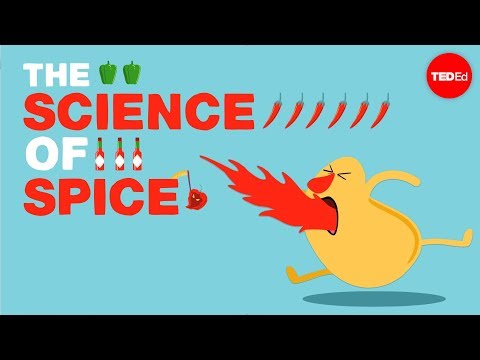
Building up a tolerance for spice sounds like it should make the heat fade. According to some studies, the pain doesn't get any better with practice. You just get tougher.
Researchers have found that people who like to eat spicy foods don't rate the burn any less painful than people who don't. The difference is in how they feel about it, since they seem to like the pain more.
For some people, eating spicy food is like riding a rollercoaster: they enjoy the thrill that follows, even if the immediate sensation is unpleasant. Some studies have even shown that people who like to eat hot food are more likely to enjoy other adrenaline-rich activities, like gambling. The taste for spicy food may even be genetic.
Why would anyone enjoy a painful burn?
Psychologist Paul Rozin of the University of Pennsylvania called this benign masochism: enjoying a sensation the body reads as a threat while the mind knows it is safe. His work on chili eating in the 1980s helped define the idea. Rozin has compared it to enjoying a roller coaster, a horror movie, or a very hot bath. The pleasure comes from the gap between the body's alarm and the mind's knowledge that nothing is wrong.
What do spice lovers have in common?
A 2013 study by Nadia Byrnes and John Hayes at Pennsylvania State University measured personality traits alongside liking for spicy food. They found that people who scored high on sensation seeking tended to like the burn more and eat more of it. Sensation seeking is the drive to pursue novel and intense experiences. The same trait shows up in studies of people who enjoy thrill rides and risky sports.
Do endorphins explain the rush?
Endorphins are molecules the body releases in response to pain, and they bind to opioid receptors to dull it. Some researchers have proposed that a chili burn triggers this release and produces the pleasant rush people describe. Direct evidence for that link in humans is limited. Endorphins were first identified in the mid-1970s by researchers studying how the brain responds to morphine.
More from TED-Ed